Built-Up Roofing
San Jose & the South Bay
Multi-ply built-up roofing systems — the time-proven workhorse for commercial flat roofs that need to last decades and handle daily foot traffic. Keith Roofing has been installing BUR since the 1950s.
Built-Up Roofing
Done Right Since 1952
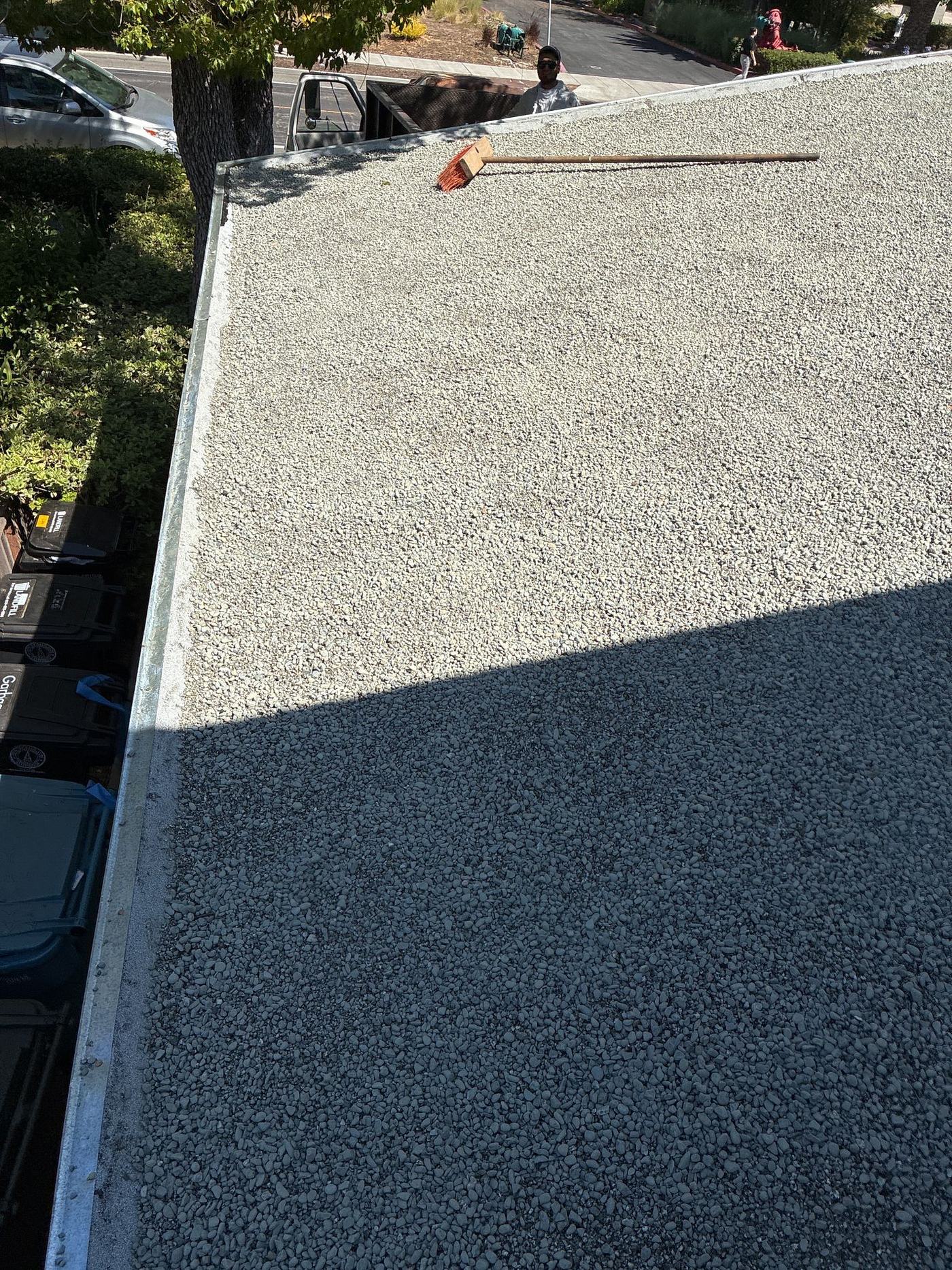
Built-up roofing — multiple alternating layers of bitumen and reinforcing fabric, topped with loose-laid gravel or a mineral-surfaced cap sheet — has been the workhorse of commercial flat-roof systems for over a century. Keith Roofing has been installing BUR across Santa Clara County since the 1950s, and while single-ply systems have taken the larger share of new commercial installations, BUR remains the right answer for specific buildings: high-foot-traffic commercial roofs, multi-decade-hold properties, certain industrial applications, and retrofits where matching an existing BUR for system consistency is the cleanest approach.
BUR is a time-proven system. Installed properly, BUR regularly delivers 25-35+ years of service life — some 40+ year BUR roofs across the South Bay are still in active service today. The multi-ply structure provides redundancy — water breaching one layer must also breach the layers beneath it to cause interior damage. The gravel or cap-sheet surfacing protects the flood coat from UV degradation and impact damage. For roofs that see regular foot traffic — HVAC service crews, rooftop equipment maintenance, occupied rooftop space — BUR's robustness handles the wear that single-ply membranes don't tolerate well.
Our BUR work covers the full lifecycle: new BUR installation on commercial projects where the application warrants it; BUR replacement for end-of-life systems, often matching the existing for system consistency; BUR repair for localized failures (seam work, flashing renewal, surface restoration); coating restoration as a life-extension strategy for aging BUR that's still structurally sound; and evaluation for property managers and building owners deciding whether to continue with BUR, convert to single-ply, or restore with coatings.
Understanding BUR Systems
The Structure of a BUR System
A traditional BUR assembly has four primary components stacked on top of the insulation and deck. Base sheet is the first layer — mechanically fastened or fully adhered directly to the cover board or insulation. Ply sheets are the structural waterproofing — multiple layers (typically 3 or 4) of reinforcing fabric (modern BUR uses fiberglass; legacy systems used asphalt-saturated felt) installed between layers of hot asphalt or cold-applied adhesive. Flood coat is the final layer of hot asphalt over the top ply, the moisture barrier that prevents water from reaching the plies. Surfacing is what protects the flood coat — either loose-laid stone gravel (traditional, excellent UV protection) or a mineral-surfaced cap sheet (cleaner appearance, easier long-term maintenance).
The multi-ply structure is the key differentiator. Single-ply membranes have one waterproof barrier — fail that barrier and water reaches the interior. BUR has multiple barriers, all bonded together with bitumen. Water has to breach the surfacing, the flood coat, AND the ply sheets to cause an interior leak. The redundancy is why BUR can deliver such long service life even with surface damage.
When BUR Is the Right Choice
High foot traffic. Single-ply membranes are vulnerable to puncture from dropped tools, foot traffic in workshoes, and dragged equipment. BUR's gravel surface and multiple plies handle this kind of wear gracefully. Buildings with regular rooftop HVAC service, equipment maintenance, or tenant rooftop access often serve much longer on BUR than they would on single-ply alternatives.
Multi-decade hold periods. If you're planning to hold the property for 30+ years, BUR's longer service life pencils out — even with the higher upfront cost. Some BUR roofs we installed in the 1990s are still in their original service window today.
Matching existing. If your building has BUR and adjacent buildings on the property also have BUR, maintaining system consistency simplifies long-term maintenance and avoids transition-detail failures at the boundary between systems. For multi-building campuses, matching existing is often the right call.
Specialty applications. Some industrial applications, historical-preservation contexts, and specific code or insurance requirements still favor BUR. We evaluate per project.
BUR Installation Process
BUR installation is labor-intensive and requires specialized equipment. Hot-applied BUR uses melted asphalt (kept molten in a kettle or tanker on-site) brushed or mopped between ply sheets. This is the traditional method, provides the strongest bond, and is what we use on most new BUR installs. Requires specialized equipment, trained crew, and careful management of asphalt application temperatures (Type III or Type IV asphalt has a specific application temperature window — too cold and the bond fails, too hot and the asphalt degrades).
Cold-applied BUR uses liquid-applied cold adhesive between plies instead of hot asphalt. Simpler logistics (no kettle, no fire risk) and safer for sensitive site conditions, but sometimes delivers slightly reduced bond performance compared to hot-applied. Appropriate for some applications, particularly retrofits where hot-applied logistics aren't workable.
Proper installation requires the right substrate prep, mechanically-fastened or fully-adhered base sheet, ply sheets installed at the correct asphalt application temperature and coverage rate, a flood coat at specified thickness, and surfacing at the correct coverage. Flashings at all penetrations — pipes, drains, HVAC curbs, parapets, expansion joints — must be detailed with BUR-compatible flashing materials, not generic single-ply flashing.
When Built-Up Roofing
Is the Right Answer
Existing BUR at End of Service Life
30+ year old BUR systems with widespread deterioration need replacement. Decision: another BUR system, conversion to single-ply, or coating restoration — we evaluate honestly.
High Foot-Traffic Roof
Buildings with significant rooftop foot traffic — HVAC service, rooftop equipment, occupied rooftop space, regular tenant access — get measurably longer service life from BUR than from single-ply alternatives.
Long-Term Property Hold
Owners planning 30+ year holds often benefit from BUR's longer service life. The higher upfront cost amortizes against a longer life span and lower lifetime replacement count.
Matching Existing System
Multi-building campuses or properties with existing BUR often benefit from system consistency on retrofits. Matching simplifies long-term maintenance and avoids transition-detail failures.
Heavy Industrial Application
Buildings with significant rooftop equipment, mechanical loading, or industrial exposure where the deck and structure can handle BUR's weight often perform better on BUR.
Repair vs. Replace Evaluation
An aging BUR often has more remaining life than non-BUR-experienced contractors assume. We evaluate honestly — sometimes targeted repair and a coating restoration extends life 10-15 more years at a fraction of replacement cost.
Built-Up Roof
Components & Options
GAF BUR Systems
Industry-leading BUR product line with extensive accessories and warranty programs. Often our default for new BUR installs.
Johns Manville BUR
Traditional BUR with strong Bay Area distribution and a reliable track record across decades of Keith Roofing installs.
Hot-Applied Asphalt
Type III or Type IV asphalt kept molten in on-site kettles during install. Temperature-controlled for proper application and cure — the strongest BUR bond method.
Fiberglass Ply Sheets
Modern BUR uses fiberglass reinforcement plies rather than legacy asphalt-saturated felt. Better durability, better moisture resistance, longer service life.
Mineral-Surfaced Cap Sheet
Cap sheet option for BUR — smoother appearance than gravel, easier long-term maintenance, easier drain access. Common choice on modern BUR work.
Loose-Laid Gravel Surfacing
Traditional BUR aesthetic — loose stone over flood coat for excellent UV protection and impact resistance. Various aggregate sizes and colors available.
How We Handle
Your Built-Up Roofing Project
System Design & Deck Review
BUR is heavy. We verify deck structural capacity, evaluate insulation requirements for Title 24, and recommend an engineering review if the structure is unclear.
Insulation & Base Sheet
Polyiso insulation to code (typically R-25+ for the Bay Area), cover board, and mechanically-fastened or fully-adhered base sheet on top.
Ply Sheet Installation
Multiple plies installed with hot asphalt (or cold-applied adhesive where appropriate). Asphalt temperature, application coverage, and ply overlap are tightly managed — these are where BUR jobs succeed or fail.
Flood Coat & Surfacing
Final flood coat of hot asphalt at specified thickness, then surfacing — loose gravel or mineral-surfaced cap sheet — at the correct coverage rate for long-term UV and impact protection.
Flashings & Closeout
Penetration flashings (pipes, drains, HVAC curbs, parapets, expansion joints) detailed with BUR-compatible materials. Final inspection for complete coverage and proper detailing. Documentation package delivered.
Why Property Managers Choose Us
for Built-Up Roofing
70+ Years of BUR Experience
Keith Roofing has been installing BUR since mid-century. That depth of experience shows up in proper technique, realistic performance expectations, and pattern recognition for what works long-term on Bay Area commercial buildings.
Hot-Applied Equipment & Trained Crews
Hot-applied BUR requires specialized equipment (kettles, application tools) and trained operators who understand asphalt application temperatures. We maintain both — many contractors who claim BUR capability sub it out or skip the hot-applied method entirely.
Honest System Recommendation
Most modern commercial projects are better served by single-ply systems. We tell you honestly when BUR is the right answer and when another system would serve you better — we don't sell BUR for its own sake.
Repair Capability That Extends Life
An aging BUR often has more life left than non-experienced contractors assume. We do proper seam work, flashing renewal, and coating restoration that extends service life 10-15 years at a small fraction of replacement cost.
Recent BUR-Adjacent
Commercial Projects
Projects Featuring
Commercial Flat-Roof Work
Real Keith Roofing projects on commercial flat roofs. Click any case study for the full story.
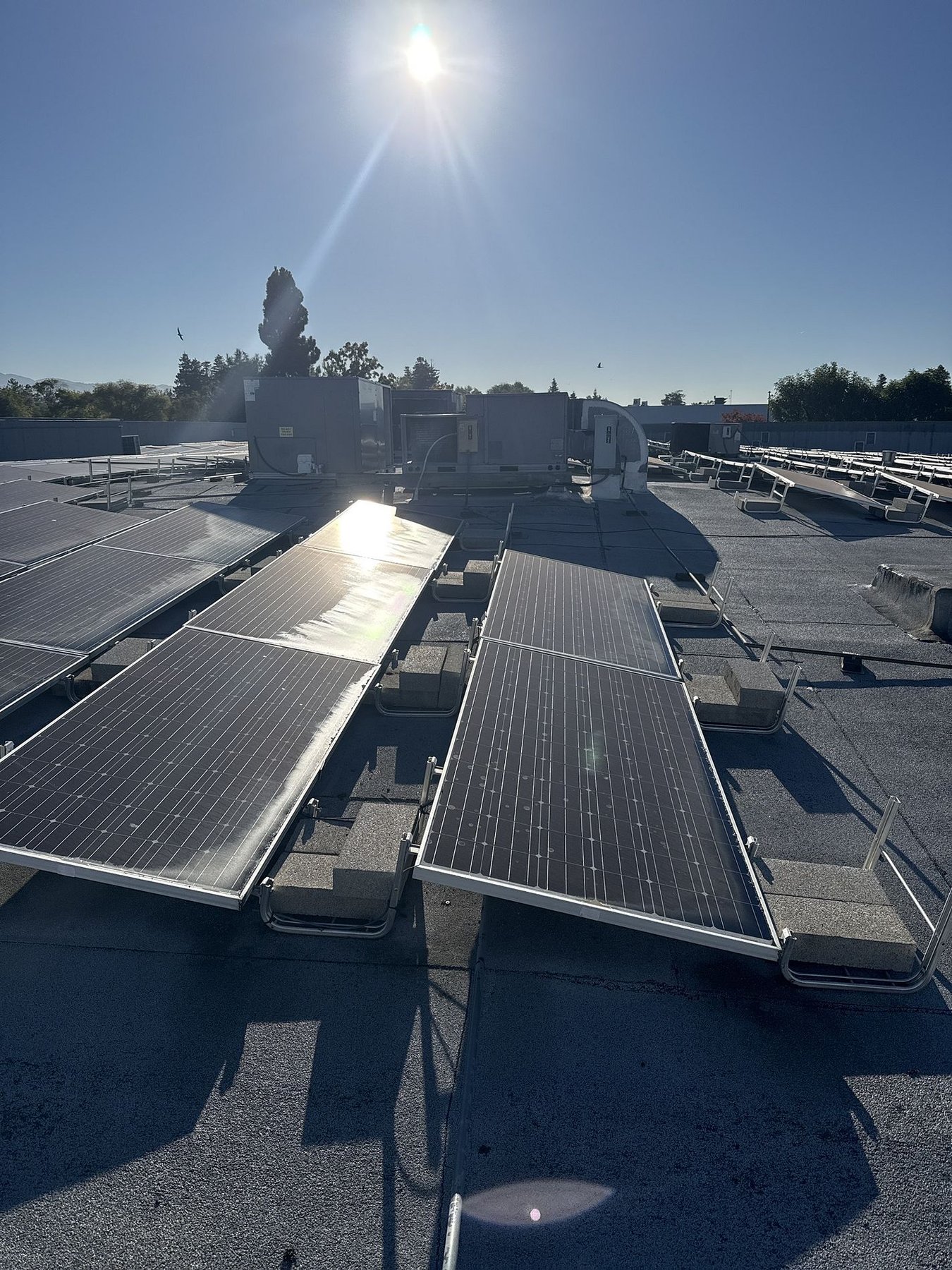
San Jose Commercial Maintenance
Ongoing commercial flat-roof maintenance with solar coordination, single-ply install, and active leak repair.
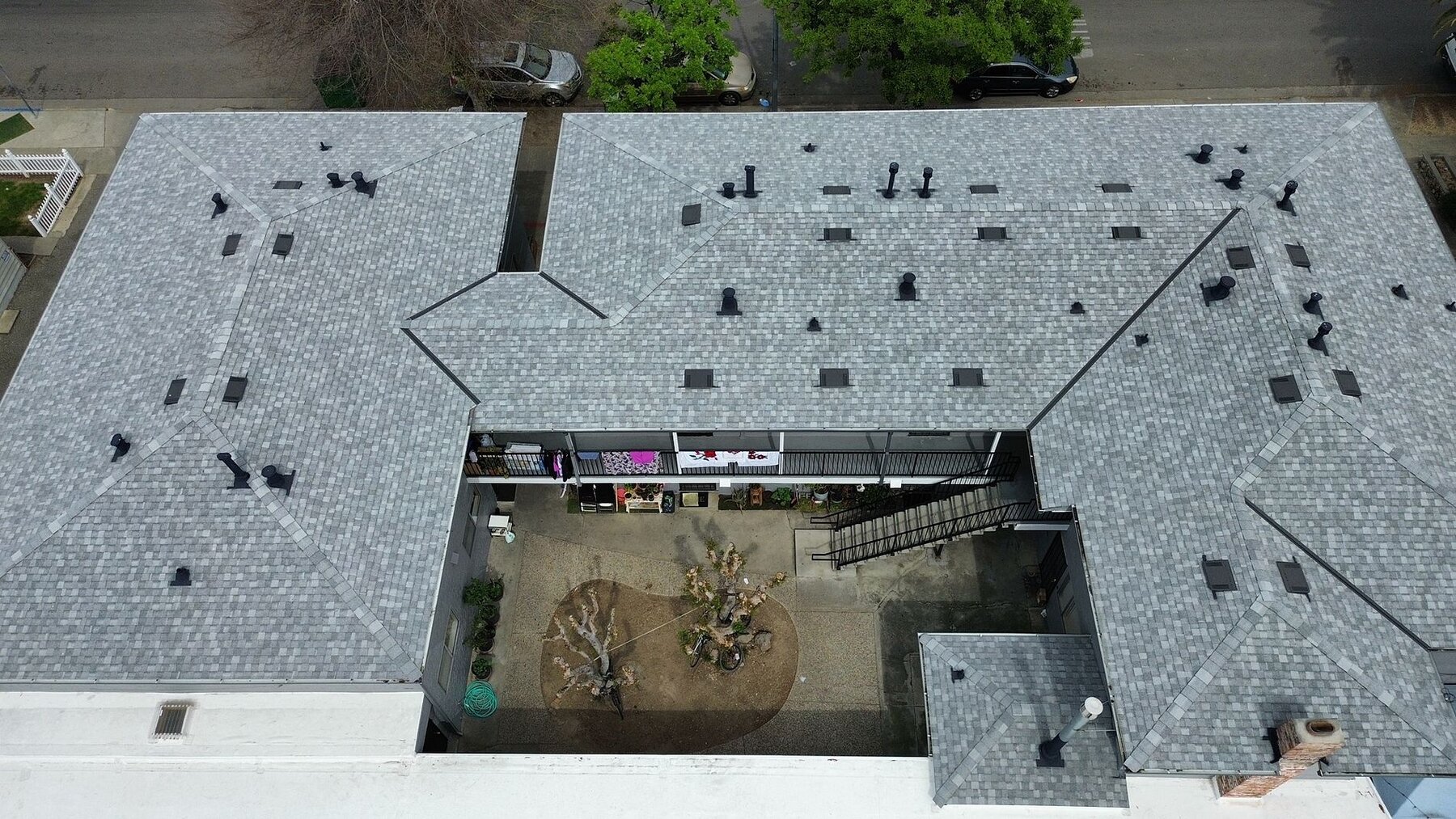
View Case Study →San Jose Apartment Re-Roof
Multi-unit apartment full replacement with shingle on pitched wings, single-ply on flat carports, and full gutter replacement.
View Case Study →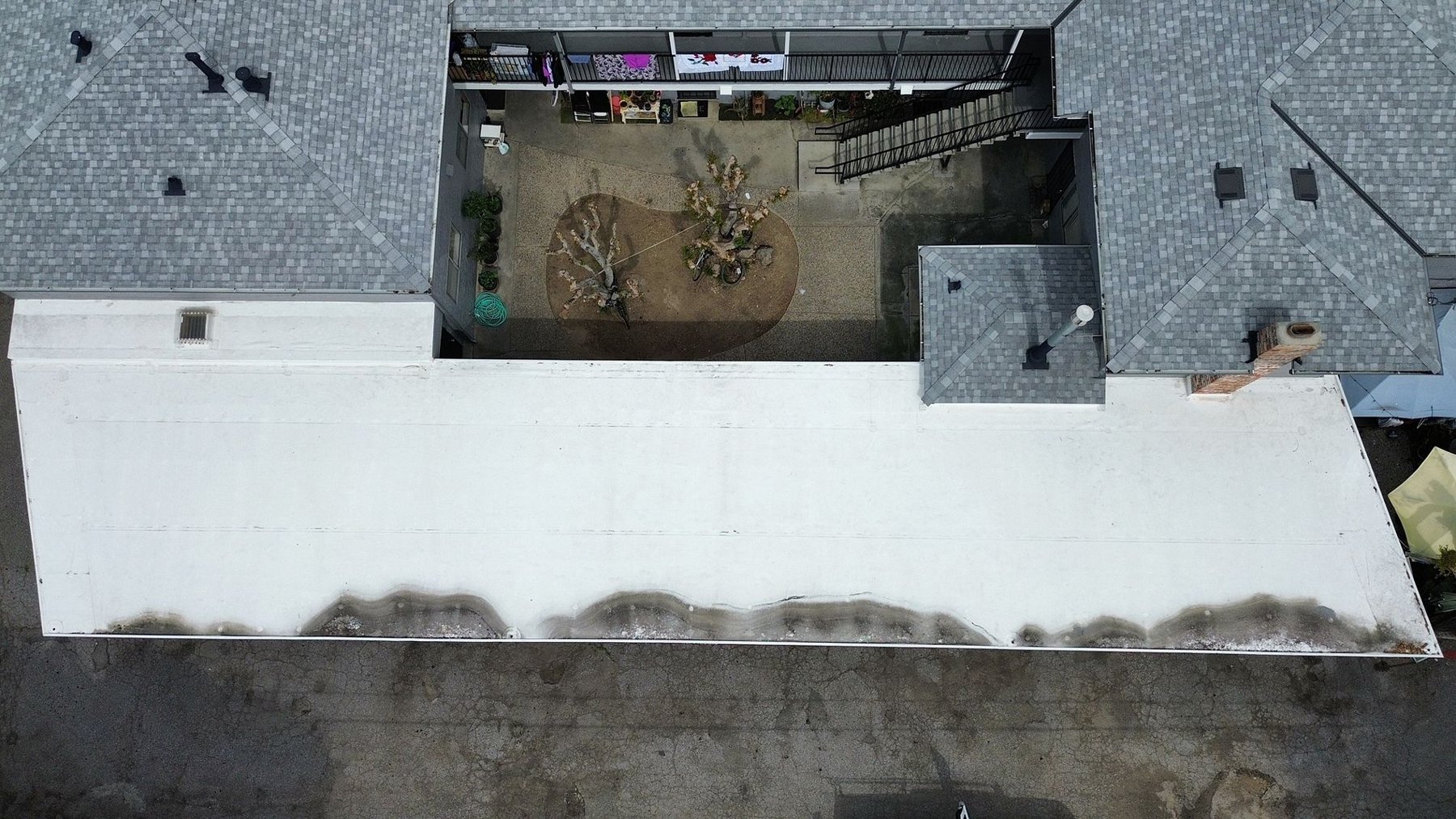
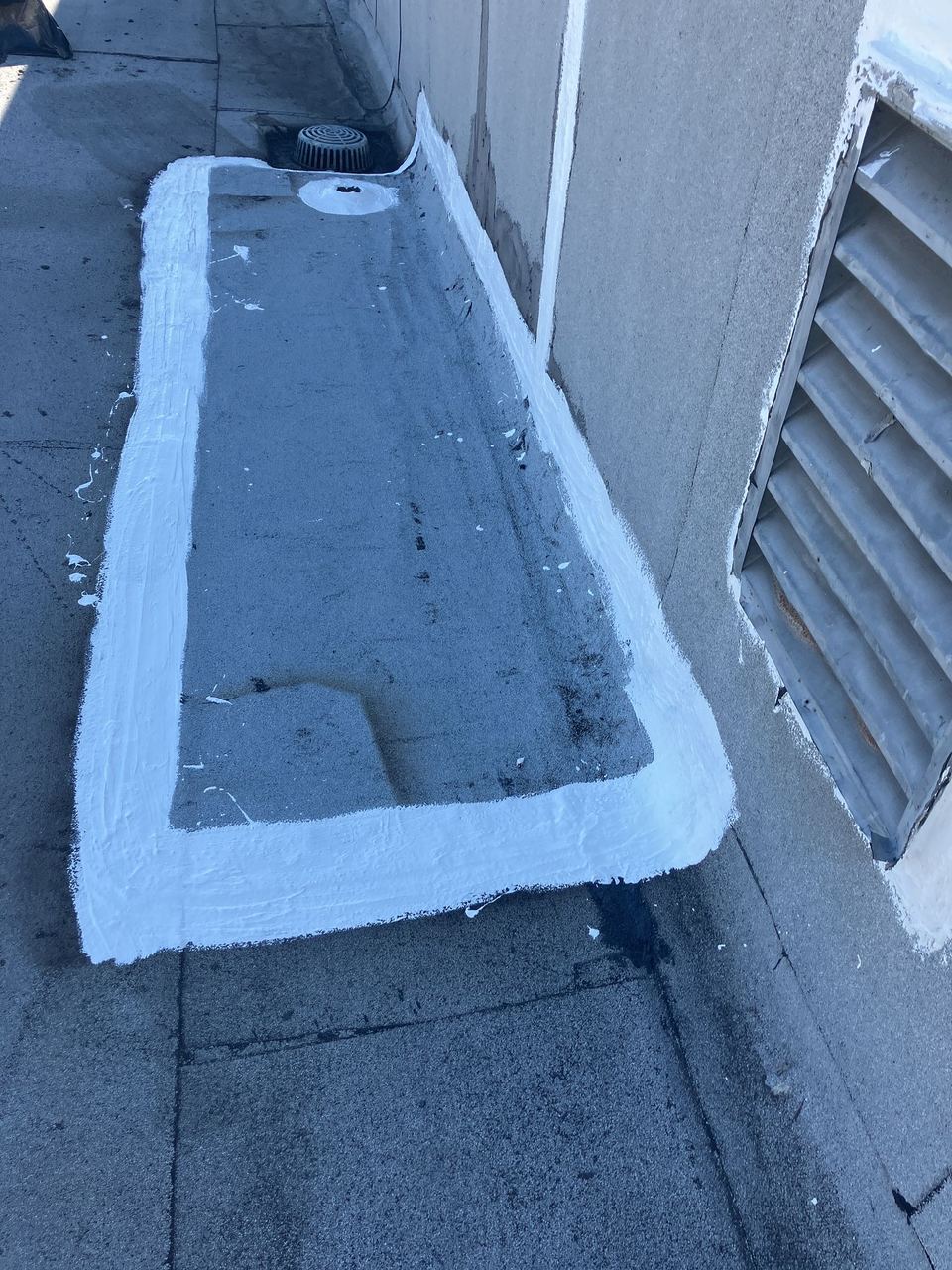
Crown Blvd Single-Ply Commercial
Commercial single-ply install on a low-slope building along Crown Boulevard.
View Case Study →