Roof Inspection
San Jose & the South Bay
A roof inspection gives you facts.
Roof Inspection
Done Right Since 1952
A roof inspection gives you facts. Whether you're buying a home, selling one, assessing storm damage, qualifying for insurance, or just trying to decide whether to repair or replace — a thorough inspection by an experienced contractor is the foundation for every other decision. Keith Roofing has been conducting San Jose roof inspections for over seven decades. Our reports help homeowners, real estate agents, insurance adjusters, and property managers make informed decisions based on what's actually happening to the roof, not guesswork.
A proper roof inspection is more than a 10-minute visual walk-around. It includes a systematic exterior assessment of all roof surfaces, flashings, penetrations, valleys, ridges, and drainage components; an interior attic inspection (where accessible) looking for water stains, deck damage, ventilation adequacy, and insulation condition; documentation of findings with photographs; assessment of roof age and remaining service life; identification of immediate issues requiring attention; identification of maintenance items that should be addressed to extend roof life; and a written report that the homeowner, buyer, lender, or insurance company can use for their purposes.
Different inspection types require different depth and documentation. A pre-purchase real estate inspection needs to be thorough enough for the buyer and lender, often certified for a specific remaining-life estimate. A post-storm inspection focuses on damage identification for insurance claim purposes. A pre-listing inspection surfaces issues the seller should address (or disclose) before buyer inspections. A routine maintenance inspection catches small problems while they're still small. We handle all of these.
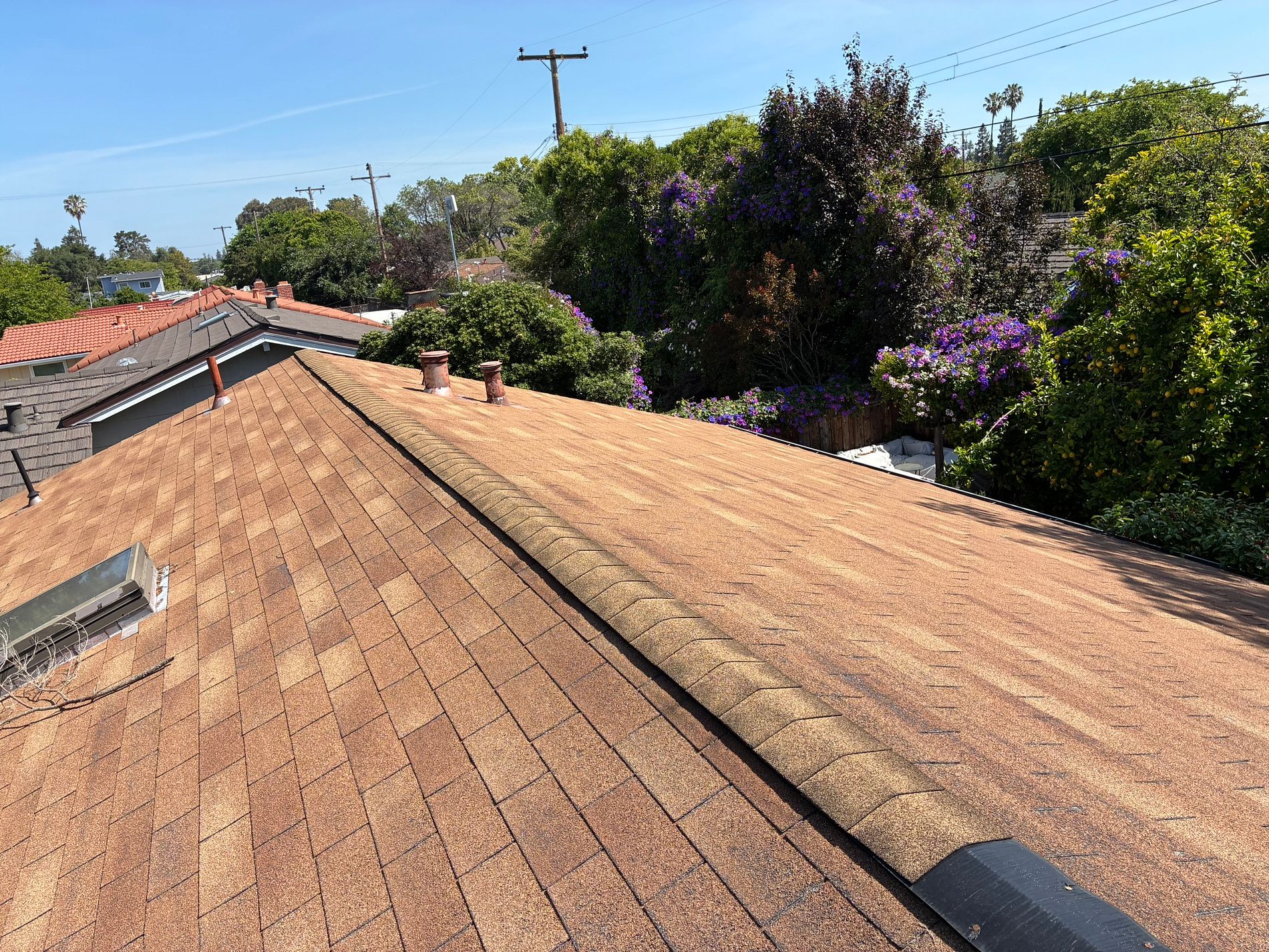
What a Thorough Roof Inspection Covers
Exterior Assessment
The exterior inspection begins at ground level — identifying the roof system type, measuring pitch and complexity, noting any visible issues from below. We then access the roof safely using appropriate fall protection. On the roof surface, we systematically examine every section: field shingles or tiles for deterioration, damage, or improper installation; valleys for flashing condition, debris, and water flow; ridges for ridge cap condition and ventilation performance; hips for proper detailing; eaves for drip edge, underlayment exposure, and soffit ventilation; rakes for edge metal and trim condition; and all penetrations (chimneys, skylights, plumbing vents, attic vents, satellite dishes, any other roof-mounted equipment).
For each penetration, we assess the specific flashing condition — metal corrosion or separation, sealant deterioration, underlying material damage. Chimneys get particular attention: counter-flashing integrity, step flashing condition, cricket or saddle (if applicable), and masonry condition. Skylights are examined for curb flashing, neoprene gasket condition, and glazing issues. Plumbing vent boots are checked for UV deterioration and cracking. Every finding gets photographed.
Attic Inspection
When attic access is available, we inspect the underside of the roof deck. Water stains on sheathing and rafters indicate active or past leaks — we note location, extent, and whether staining is active or historic. We look for rot, mold, or structural damage in rafters and trusses. Insulation condition matters — compressed, displaced, or wet insulation signals issues. Ventilation assessment is critical: is there adequate balanced intake (soffit) and exhaust (ridge, gable, or power vent) ventilation per manufacturer specifications? Under-ventilated attics cause premature shingle failure and can void manufacturer warranties.
We also check for roof system components from below when visible: skip-sheathing vs. solid decking, underlayment condition where exposed, and any structural issues like sagging deck sections. Photo documentation is comprehensive — many inspection findings are more visible from below than above.
Written Report & Recommendations
Our inspection reports are written in plain English, organized by category (exterior, interior, ventilation, drainage, special concerns), with photographs illustrating each finding. We categorize findings as: Immediate action required (active leaks, structural issues, severe safety concerns); Maintenance recommended within 12 months (flashing deterioration, minor repairs that will prevent larger issues); Monitoring recommended (items approaching end-of-life but not yet failing); and Informational notes (age of roof, remaining estimated service life, warranty status).
For real estate inspections, we provide remaining-service-life estimates in formats acceptable to lenders and insurance underwriters. For insurance claim inspections, we document damage thoroughly with scope and approximate cost estimates. For maintenance inspections, we prioritize findings by urgency and provide maintenance plan recommendations.
Signs You Need
Roof Inspection
Buying or Selling a Home
A roof is a $10,000-$40,000+ asset. Understanding its actual condition before closing on a home purchase — or listing your home for sale — matters significantly. Proper inspection surfaces issues and eliminates surprises.
Recent Storm Event
Wind, hail, or atmospheric-river storms can cause roof damage that isn't immediately visible. Post-storm inspection documents any damage for insurance purposes and catches issues before they become leaks.
Annual Maintenance
For older roofs (15+ years), annual inspection catches small issues while they're still small. This is how you get 30-year life out of 25-year shingles — consistent maintenance rather than waiting for failure.
Insurance Underwriting
California insurance carriers are increasingly requiring roof documentation for coverage — especially for older roofs. Inspection reports with photos and remaining-life estimates help with coverage maintenance.
Considering Solar Installation
Solar panels mounted on a failing roof become a problem when the roof needs replacement. Pre-solar roof inspection identifies whether the roof has enough remaining life to justify solar investment or whether replacement should precede solar.
Suspected Leak or Damage
If you suspect an issue — water stain appearing, concerning sound during rain, visible damage from the ground — inspection confirms or rules out problems. Better to know definitively than to wait for issues to worsen.
Comprehensive
Inspection Scope
How We Handle
Your Roof Inspection
Scheduling & Pre-Visit Preparation
Call (408) 295-8616 or request online. We schedule the inspection typically within a few business days. Before arrival, we ask about specific concerns — known leak locations, recent events, reason for inspection — so we can focus attention appropriately.
Systematic Exterior Assessment
On-site, we begin with a ground-level overview, noting roof system type, pitch, complexity, and any visible issues. We then safely access the roof with proper fall protection equipment and systematically assess every roof surface, flashing, penetration, and drainage component.
Attic Inspection
Where attic access is available, we inspect the roof deck underside for water stains, deck damage, rot, mold, insulation condition, and ventilation adequacy. Attic inspection often reveals issues not visible from the exterior.
Photographic Documentation
Every finding gets photographed. Photos are organized by location and finding type for clarity in the written report. Between 30 and 100+ photos for a typical inspection depending on roof complexity and findings.
Written Report Delivery
Within 1-3 business days, we deliver a comprehensive written report with organized findings, photographs, prioritization (immediate / maintenance / monitoring), and specific recommendations. For real estate inspections, reports meet lender and underwriter documentation standards.
Why Homeowners Choose Us
for Roof Inspection
73 Years of Pattern Recognition
Experience matters enormously for roof inspection. Decades of seeing how roofs fail — what looks fine but is actually failing, what looks alarming but is cosmetic — gives us diagnostic accuracy that newer contractors can't match.
Real Estate & Insurance Acceptance
Our inspection reports are accepted by lenders, real estate agents, and insurance carriers across the Bay Area. We issue reports in the formats each party needs, including certified remaining-life estimates when required.
Honest Findings
We're not looking to drum up work. If your roof is fine, we'll tell you so — in writing, with documentation. If it has issues, we'll tell you exactly what and quantify urgency. Our reputation is built on trustworthy findings, not inflated scopes.
Comprehensive Documentation
30+ photos, organized findings, plain-English explanations, and actionable recommendations. Our reports are tools you can use for insurance, resale, maintenance planning, or peace of mind.
Recent Roof Inspection
Projects
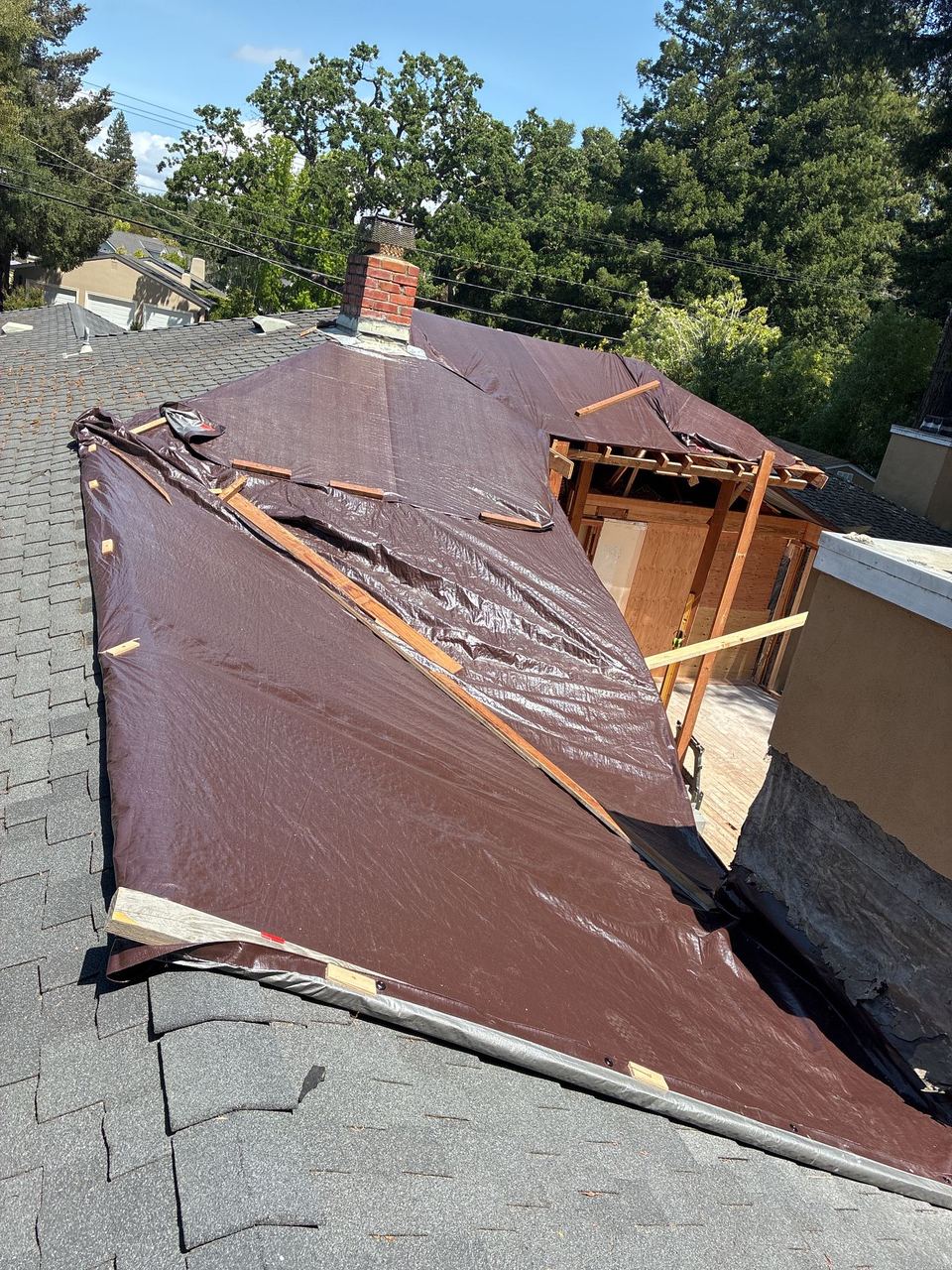
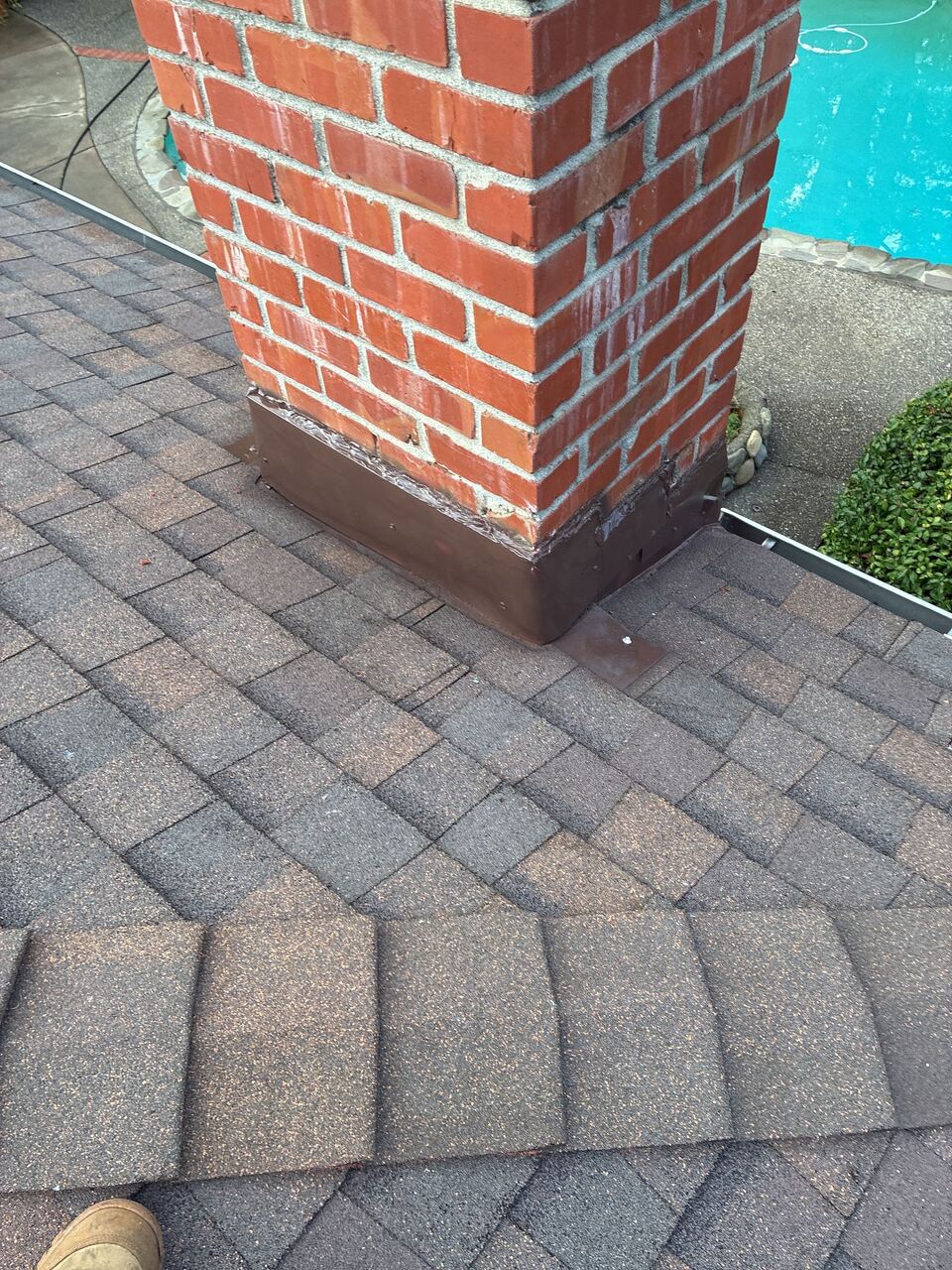
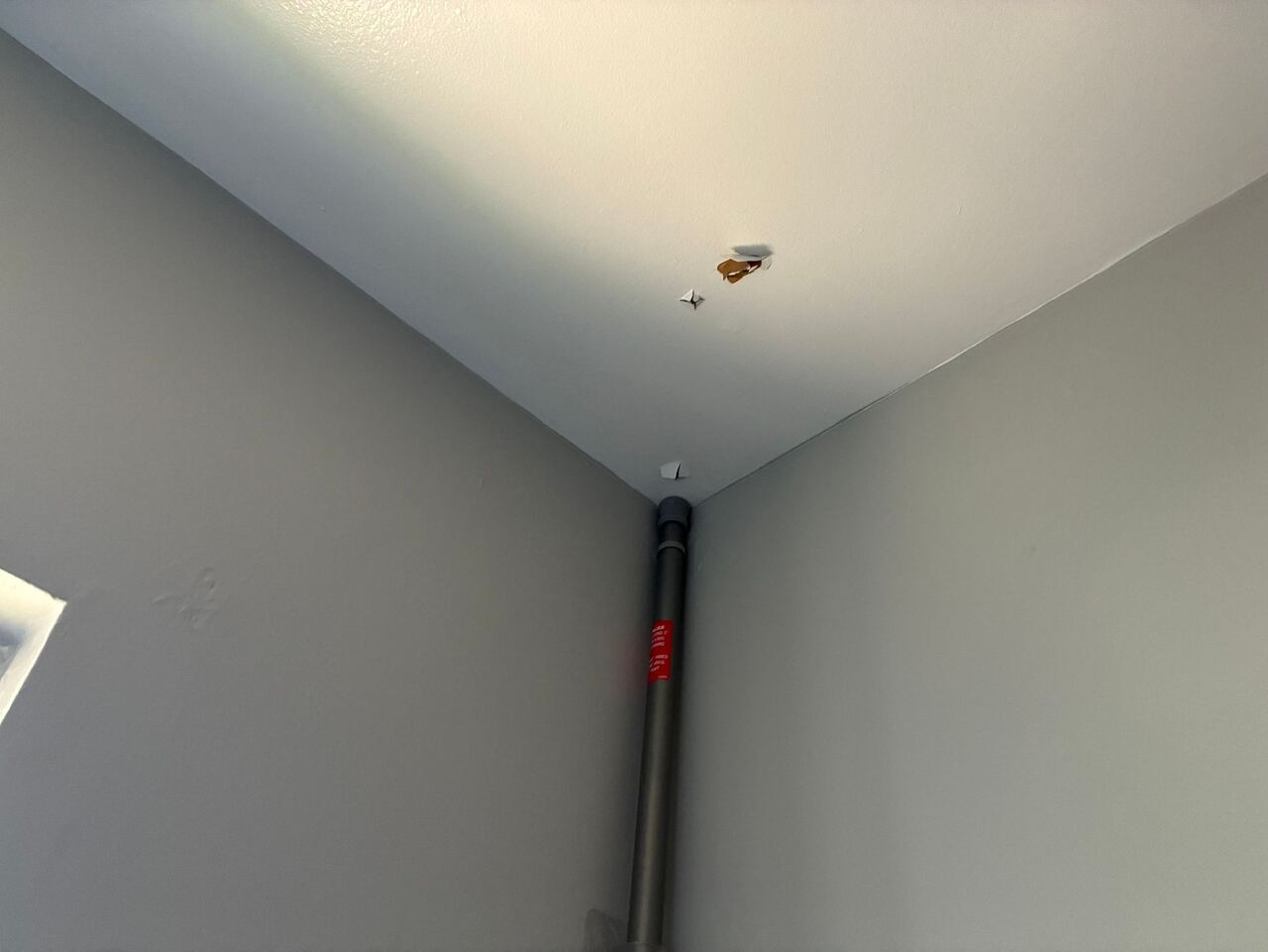
Projects Featuring
Our Roof Inspection Service
Real Keith Roofing projects where we delivered this service. Click any case study for the full story.
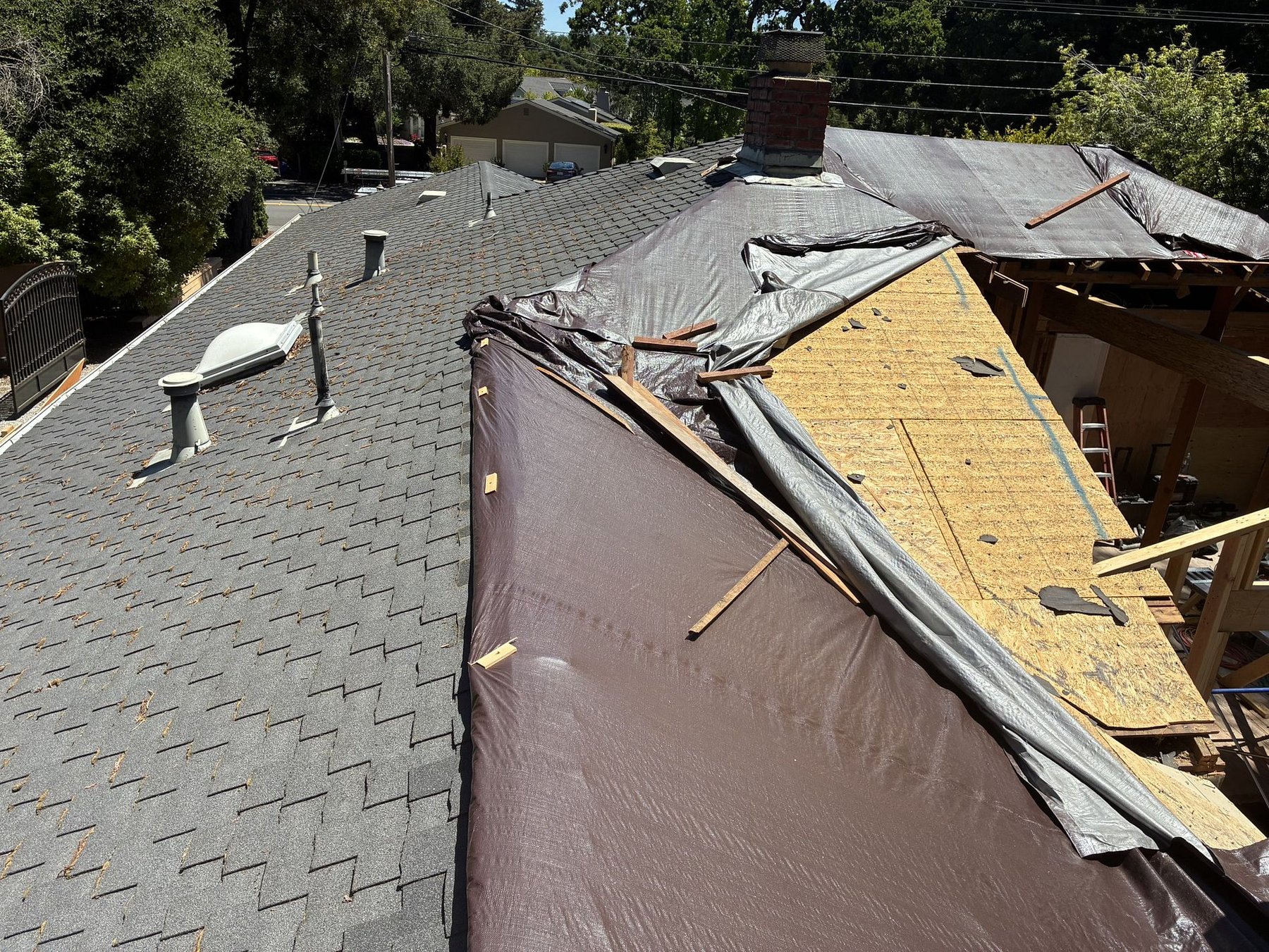
Saratoga Presidential Fire Repair
Fire-damage repair with seamless CertainTeed Presidential shingle tie-in and full gutter installation.
View Case Study →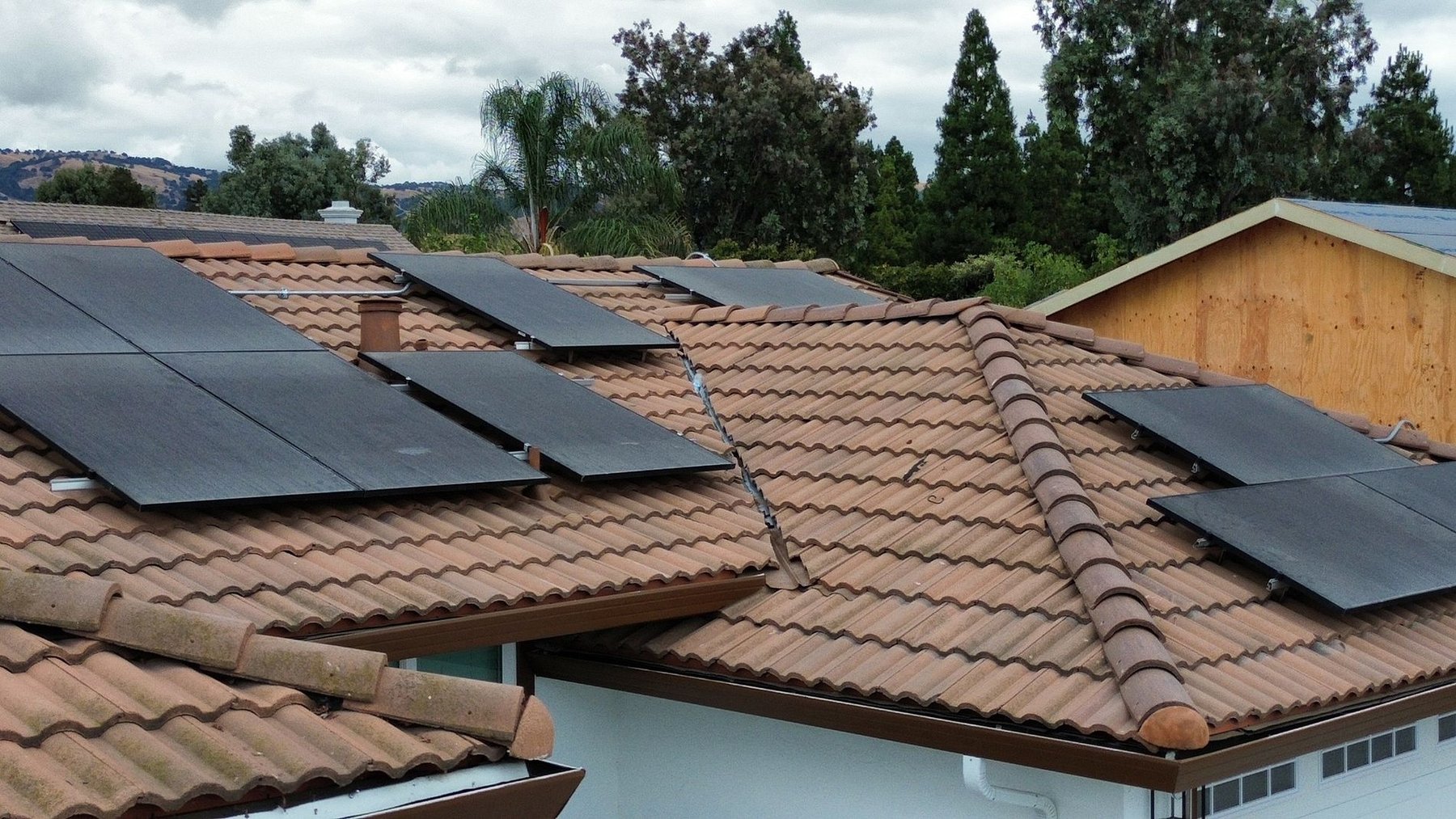
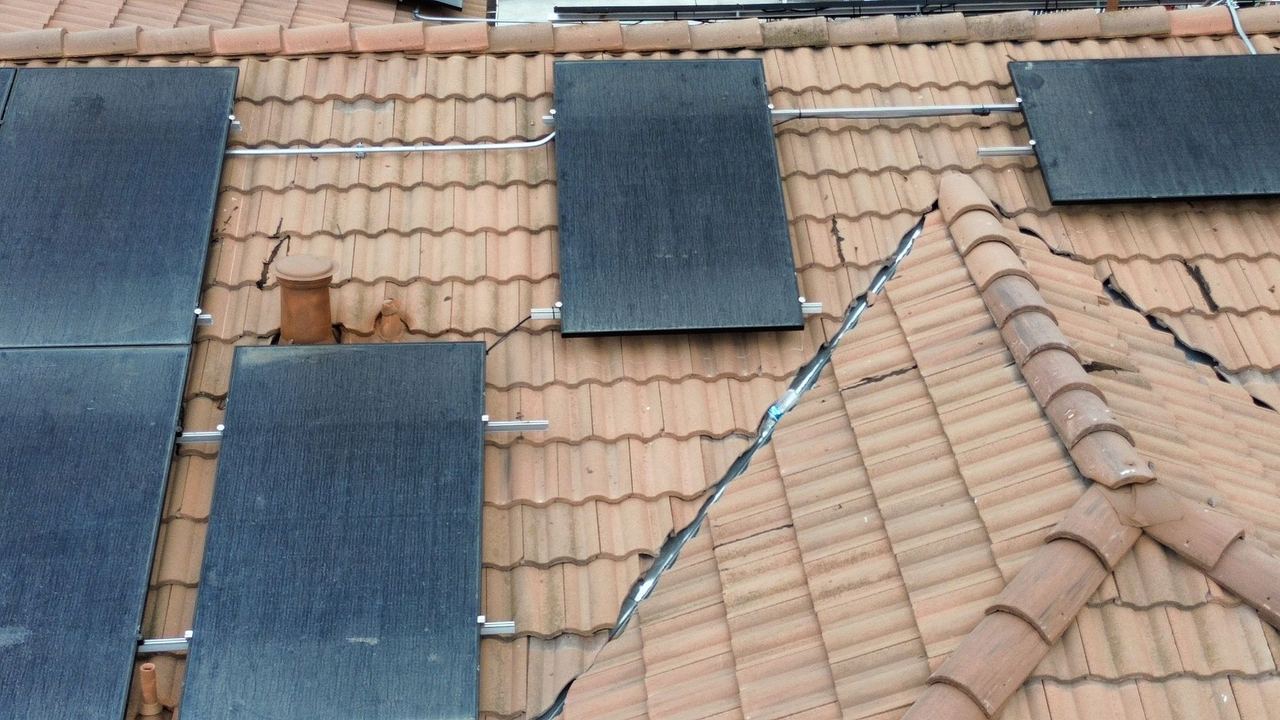
Evergreen Tile Fire Damage Repair
Fire-damage repair on a concrete tile roof with solar panel coordination and color-matched tile replacement.
View Case Study →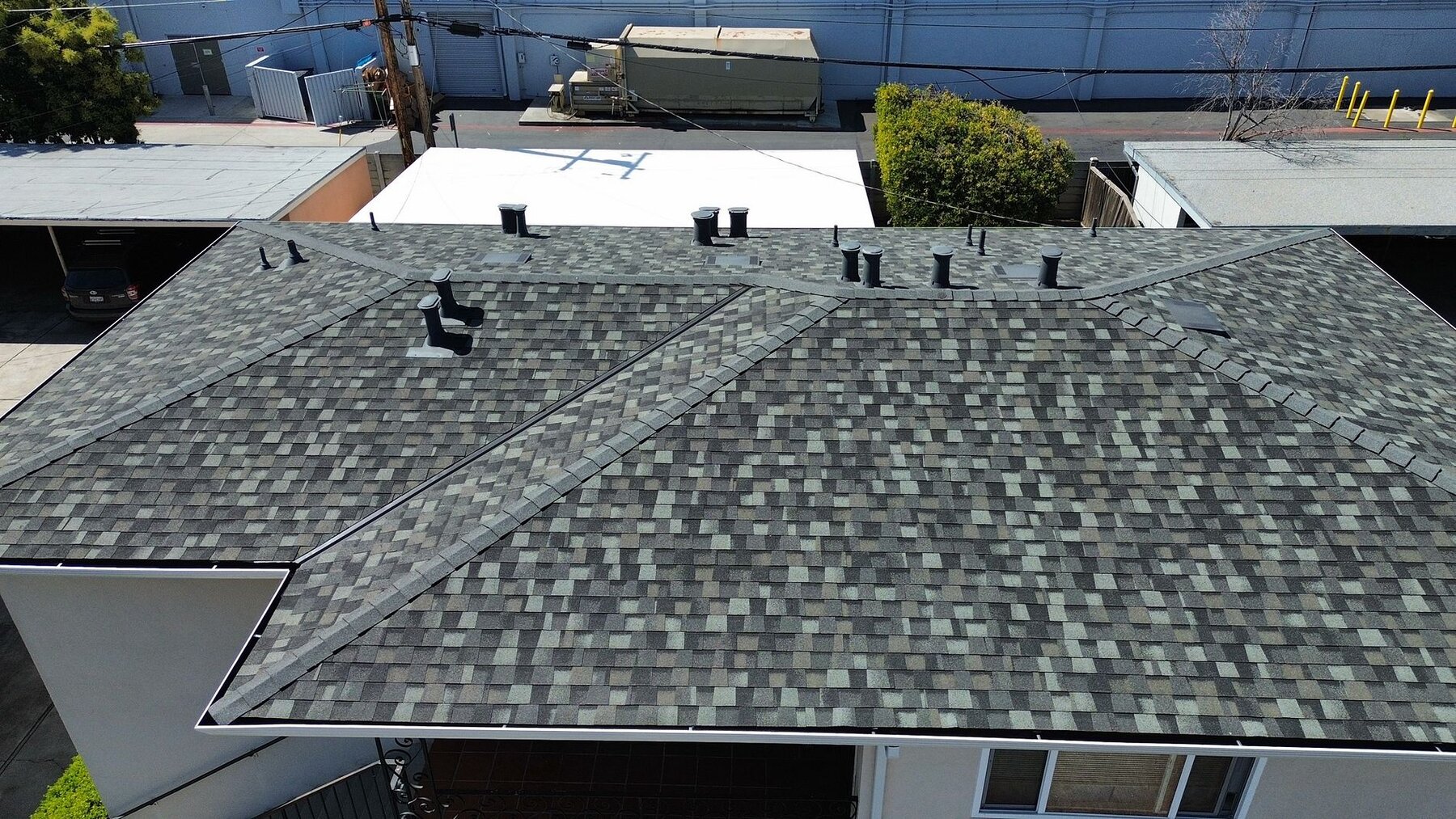
Campbell Tar-to-Shingle Conversion
Tar-and-gravel tear-off and conversion to 30-year Landmark composition shingle with new gutters and single-ply carport.
View Case Study →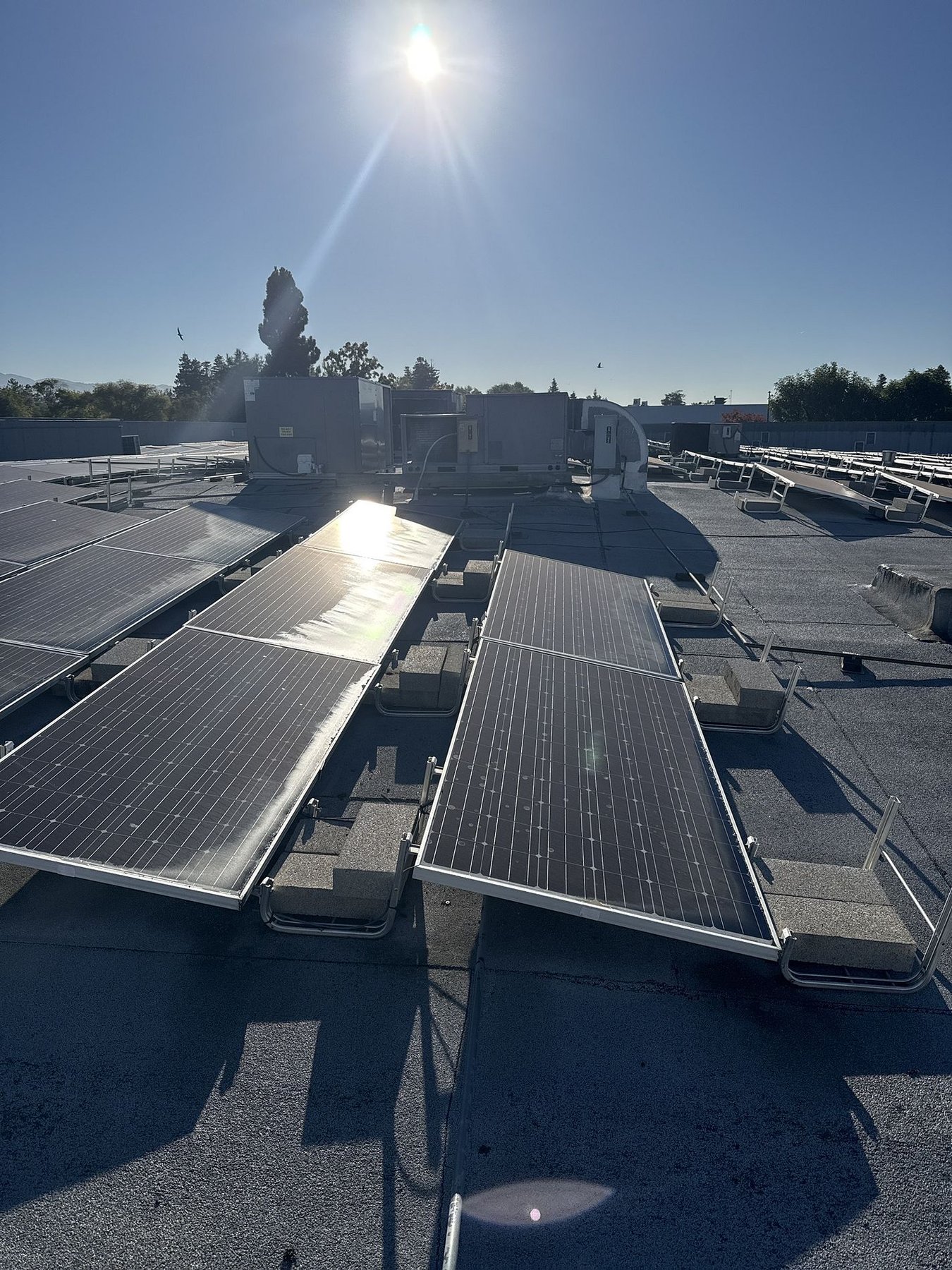
San Jose Commercial Maintenance
Ongoing commercial flat-roof maintenance with solar panel coordination, single-ply install, and active leak repair.
View Case Study →