Robertsville Residence
in Robertsville, San Jose
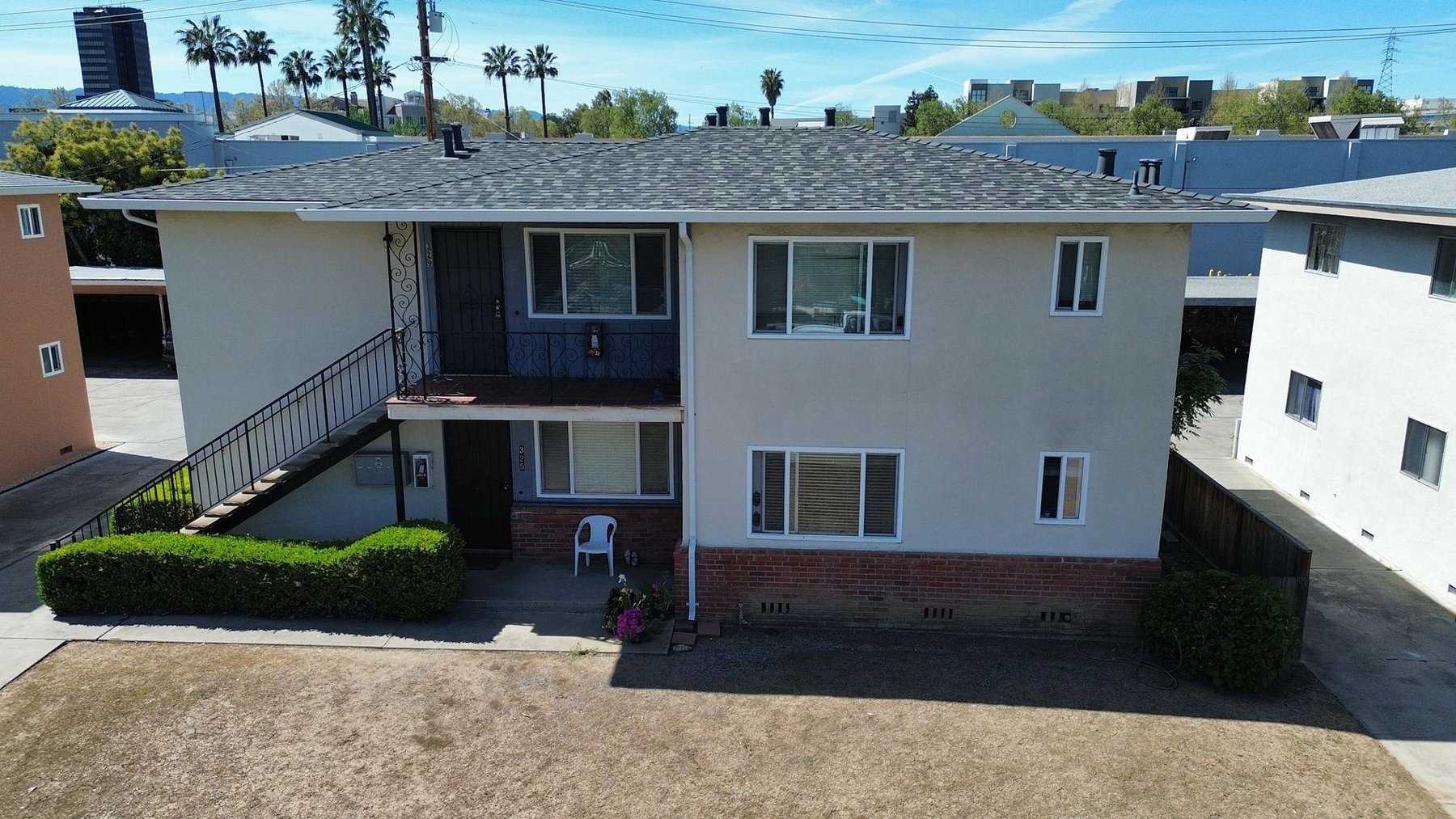
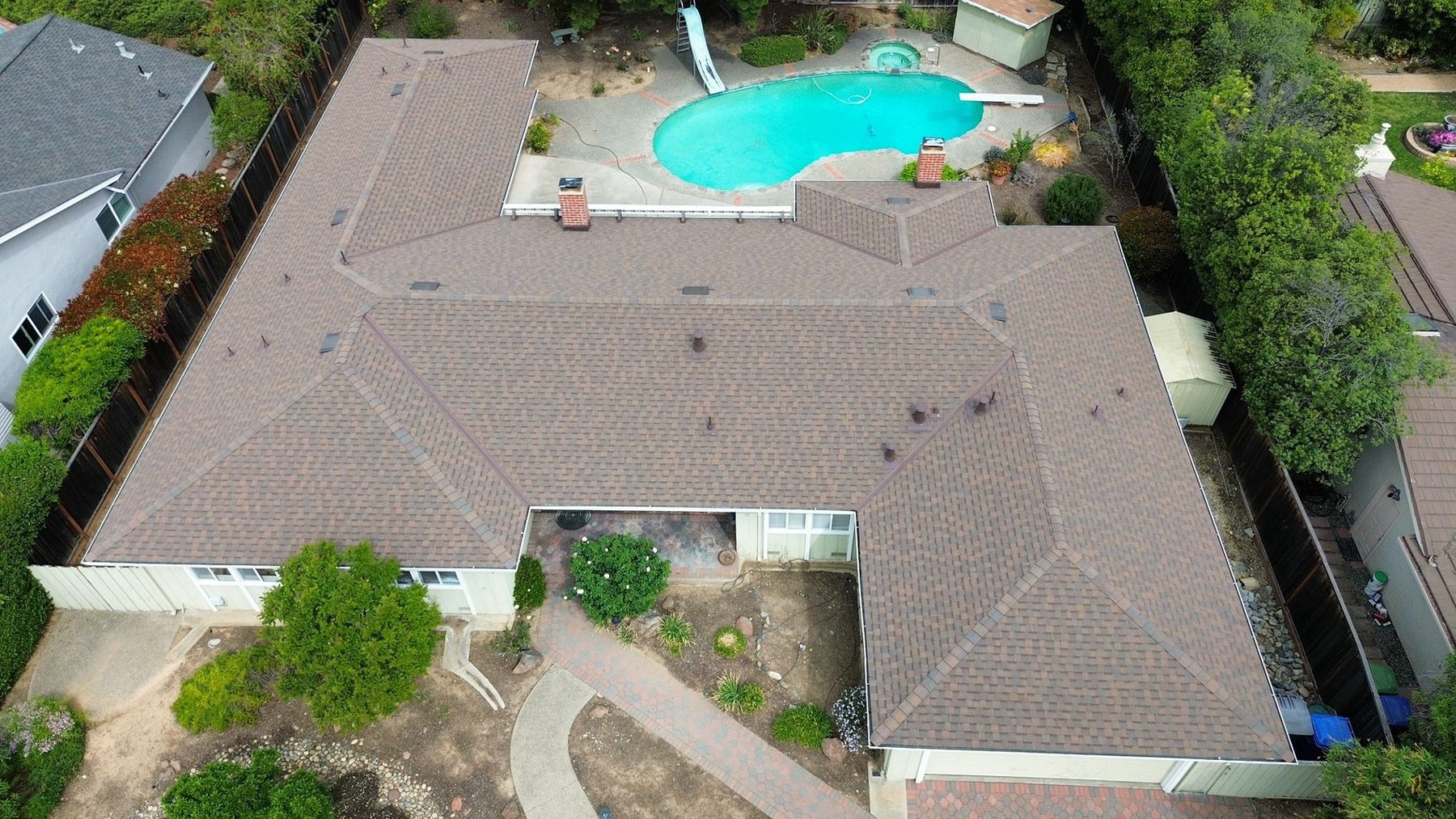
Replacing a worn-out concrete tile roof in Robertsville, a south San Jose tract neighborhood known for its tile rooflines. We took everything down to the deck, checked and repaired the structure, laid new Monier Lifetile, and left the owner with 50-year warranty coverage.
Patch Again,
or Replace?
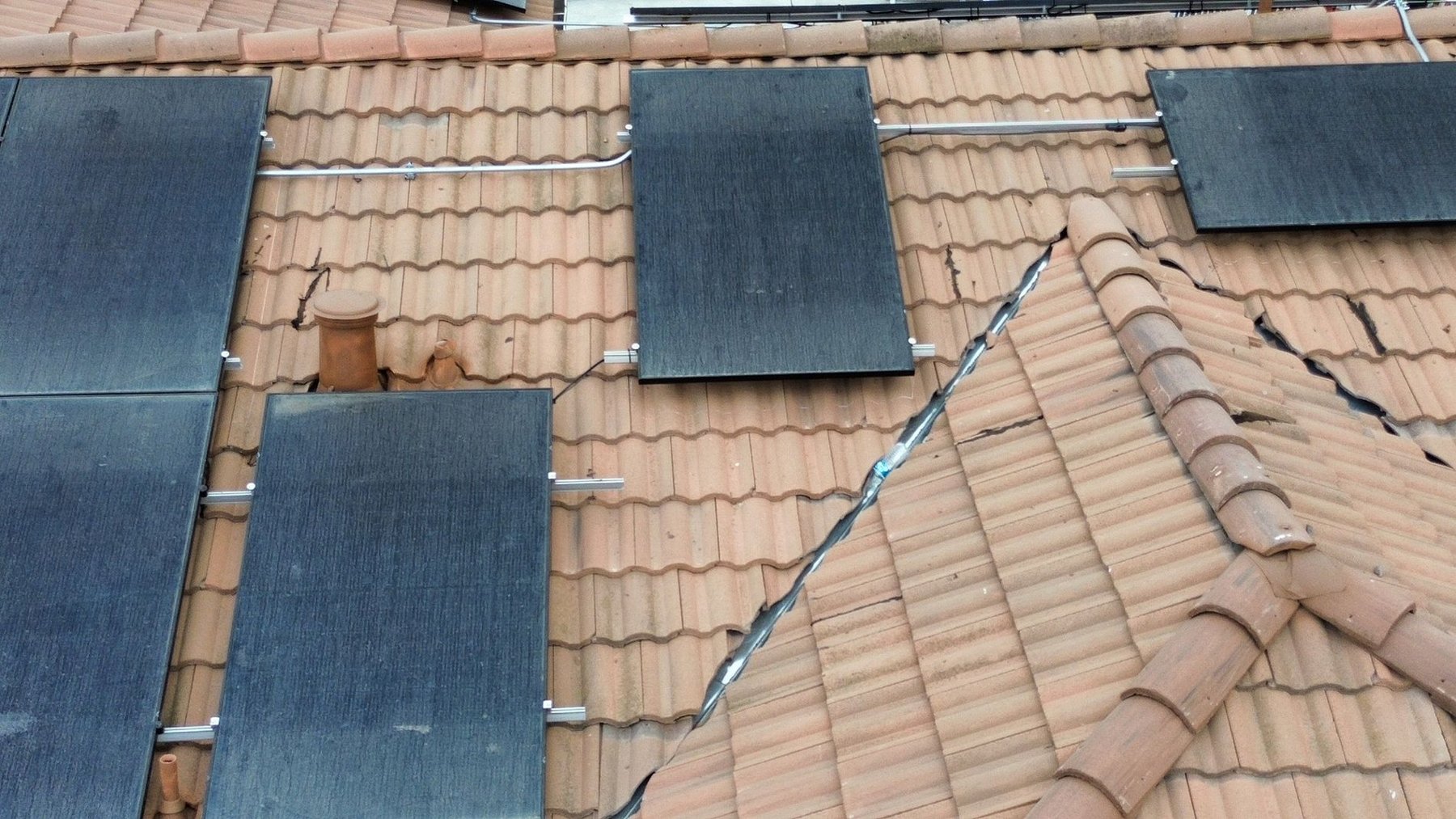
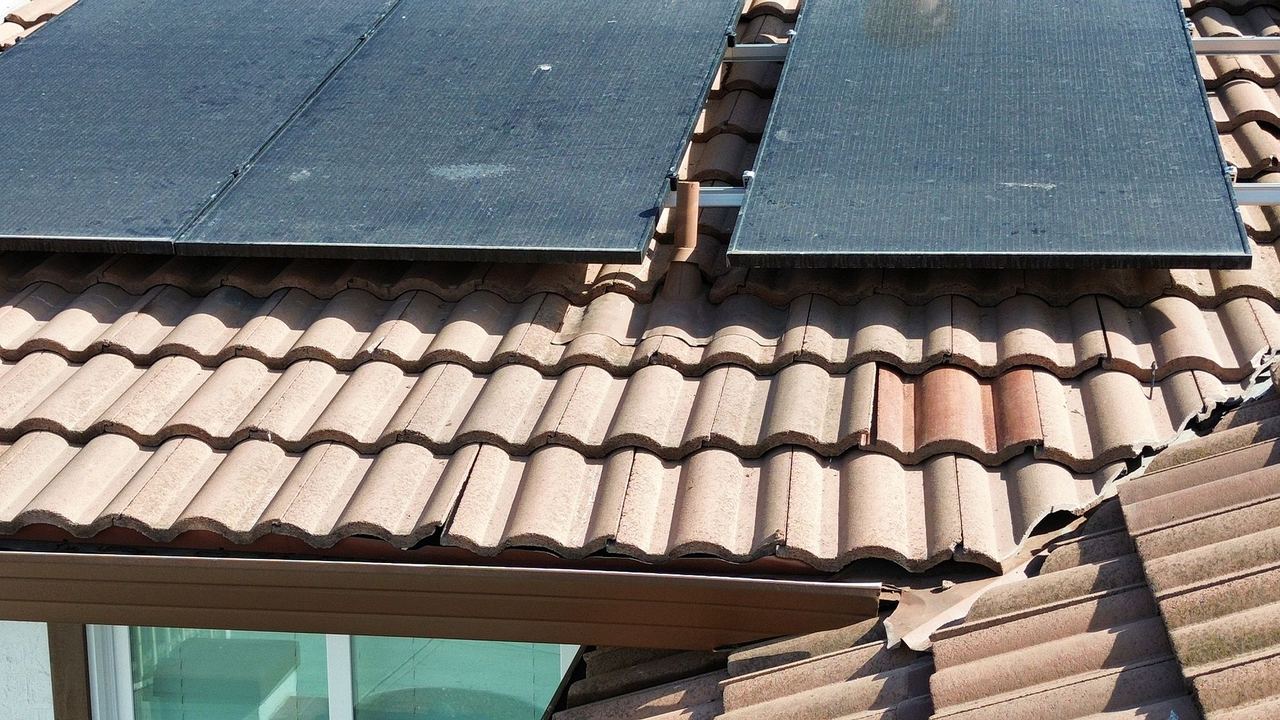
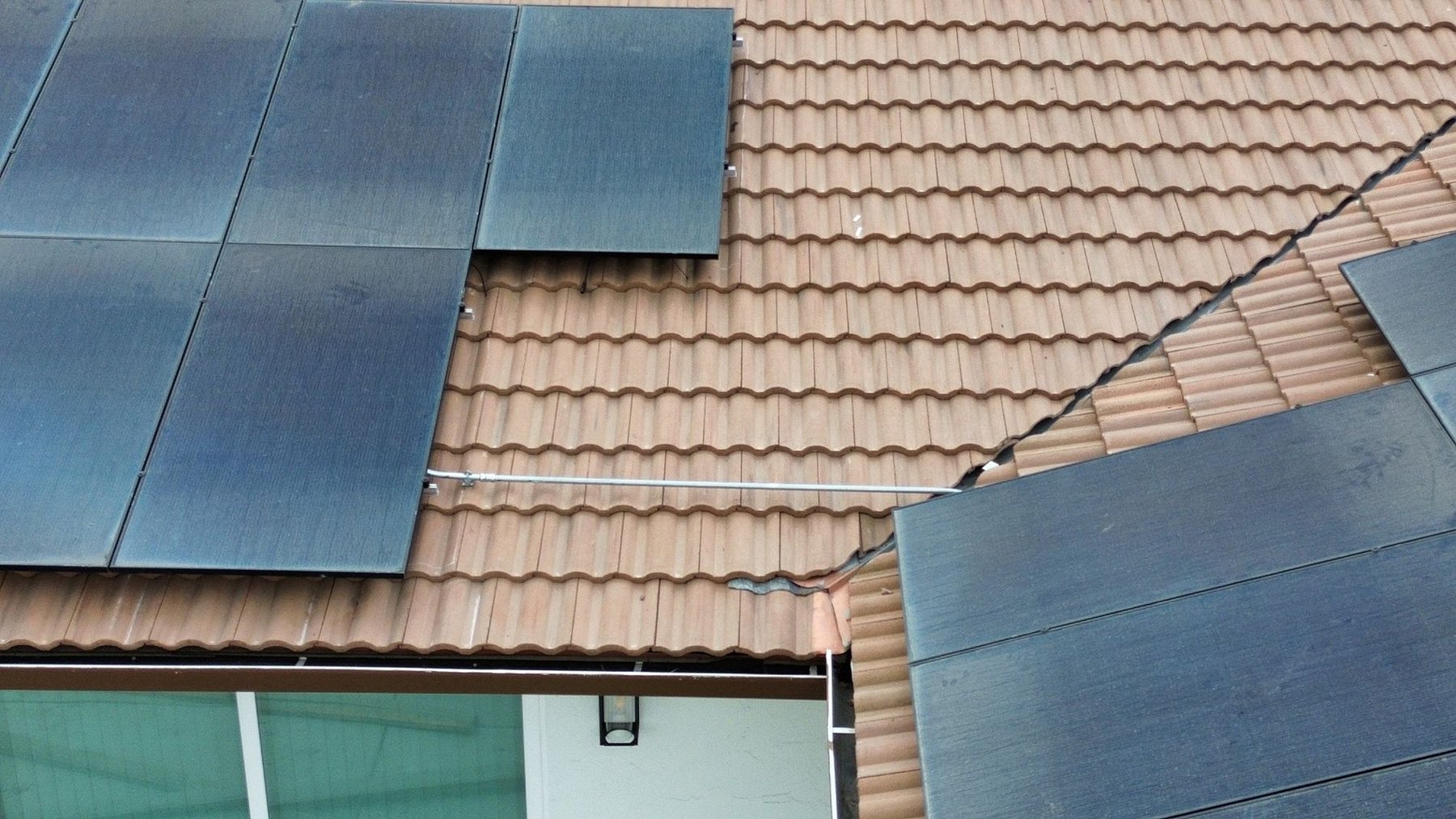
The Robertsville home came to us with a 35-year-old concrete tile roof showing the classic end-of-service-life signals: cracked and broken tiles scattered across the field (especially on the south-facing slope where UV exposure is most intense), visible underlayment deterioration at the eaves, and growing leak history that had led to interior ceiling stains in two rooms. The homeowner had patched leaks twice in the past three years and was starting to face the classic question every tile-roof homeowner eventually faces: is this still repairable, or is it time for a full replacement?
The original roof was installed around 1988 with what appears to have been the builder-grade concrete tile common in south San Jose tract development. The tile itself had held up reasonably well structurally, but the 30-pound felt underlayment beneath had long since exceeded its 25-30 year design life. Water was entering through multiple failure points in the underlayment and finding paths to the interior through valley transitions, chimney flashings, and pipe penetrations. We documented all of this with photo evidence during the initial assessment.
Why We Recommended New Tile
Our Robertsville assessment looked at three critical questions: (1) is the tile itself salvageable for a lift-and-relay, or does it need full replacement? (2) what's the structural condition of the decking beneath the underlayment? and (3) what's the correct material specification for a 30+ year service life going forward?
After inspecting roughly 30 random tiles across all four roof planes, we determined that lift-and-relay wasn't going to be the best-value approach for this home. Too many tiles had developed micro-cracks and spalling to justify the careful handling lift-and-relay requires, and color-matched legacy replacement stock for this specific profile is increasingly scarce. Full tear-off with new Monier Lifetile installation was the right call — it gave the homeowner a documented fresh-start roof with 50-year manufacturer warranty and avoided the risk of tile breakage rates climbing over time on the existing stock.
From Old Tile
to New Roof
Permit & Scope Documentation
We pulled the San Jose building permit (2-day turnaround for this standard residential re-roof), delivered the written scope-of-work document with material samples, and scheduled the project start for a dry-weather window. The homeowner received photo documentation of every existing failure point before work began.
Taking the Old Roof Off
Day 1 and the start of Day 2 went to stripping the old concrete tile, the felt beneath it and every piece of flashing. The tile left through our usual recycling route, and we photographed each section of exposed deck for the owner's file.
Deck Inspection & Repair
We found and repaired approximately 24 square feet of rotted decking at two locations — one around the primary chimney penetration (classic long-term leak impact) and one at a sidewall transition. Both were documented with photos and quoted transparently as an added scope item before we proceeded.
Underlayment & Flashing
Over the repaired deck we laid CertainTeed DiamondDeck synthetic underlayment with correct laps, sealed each valley and roof opening with ice-and-water membrane, and replaced the flashing throughout: chimney counter-flashing, vent pipe boots, sidewall step flashing and valley metal.
Monier Lifetile Installation
Day 3 through Day 5 — Monier Lifetile concrete tile installed per manufacturer spec with appropriate batten system, mechanical fastening pattern for the wind zone, and careful hip-and-ridge work. Color selected to complement the home's existing exterior paint scheme, with homeowner sign-off before ordering.
City Sign-Off & Handover
A San Jose inspector approved the finished roof, and we walked it with the owner. They kept the warranty registration, a full set of job photos, spec sheets for every product used and our workmanship warranty documents.
The Tile System,
Top to Bottom
Monier Lifetile Concrete Tile
Premium concrete tile from a Bay Area manufacturer with 50+ year service life and manufacturer warranty coverage. Color selected to complement the home's exterior palette. Monier Lifetile is one of three manufacturers we maintain direct supplier relationships with for Bay Area tile work.
CertainTeed DiamondDeck Synthetic Underlayment
A synthetic sheet that outlasts traditional felt and is far harder to tear. Laid with the laps the manufacturer calls for and backed by a 30-year manufacturer warranty.
CertainTeed WinterGuard Ice & Water Shield
Peel-and-stick membrane in the valleys, at each roof opening and along the sidewalls, the places where this roof had let water in before.
Copper Valley & Chimney Flashing
Copper in the valleys and at the chimney. It doesn't rust, weathers on its own and lasts 50+ years, so it won't give out before the tile does.
Stainless Steel Tile Fasteners
Corrosion-resistant fasteners rated for the tile's full service life. No galvanized steel that would corrode before the tile fails.
Leaks Gone, Paperwork in Hand
The owner now has a fully documented new roof with a 50-year Monier Lifetile manufacturer warranty and our 10-year workmanship warranty, plus the records insurers and future buyers ask for. The new color suits the house well, and the neighbor has since asked for our card. Above all, three years of ceiling stains and leak patches are over. With routine upkeep, this roof should outlast the current owners.
Robertsville Residence
Gallery
Robertsville's
Tile Neighborhoods
Robertsville is one of south San Jose's established residential neighborhoods, built predominantly in the late 1960s through the 1980s as part of the broader south-of-85 residential expansion. Most Robertsville homes are tract-built single-story and two-story residences with roof systems that reflect the era: concrete tile on a meaningful portion of homes, with architectural shingle on the rest. The tile roofs in particular defined the neighborhood's Spanish/Mediterranean-influenced aesthetic when new, and they still do today.
What's specific to roofing work in Robertsville: most of the neighborhood's original concrete tile roofs were installed between 1968 and 1988, which means they're now 35-55 years old. The tile itself was designed for 50-60 years of service, but the underlayment beneath was designed for 25-30 years. Most Robertsville tile roofs are now running on original underlayment that's 10-25 years past its design life — even if the tile looks fine from the street, the waterproofing system beneath it is failing or has already failed.
So the big question for a Robertsville owner is which route to take. A lift-and-relay keeps the existing tile and renews the underlayment and flashing beneath it, which works when the tile is still sound. Stripping it all and laying new tile makes more sense once the tile itself has worn too far. We've done both in Robertsville and next door in Cambrian and Blossom Valley, and the only honest way to choose for your house is to inspect it first.
Common Questions
About Tile Re-Roofs
Other Projects
Almaden Tile Project
A hillside home in upper Almaden where the original 1982 tile was sound enough to lift, re-underlay and relay.
Willow Glen Re-Roof
A 1928 Willow Glen bungalow re-roofed in shingle, with a solid-sheathing overlay and copper chimney flashing.