Willow Glen Re-Roof
in Willow Glen, San Jose
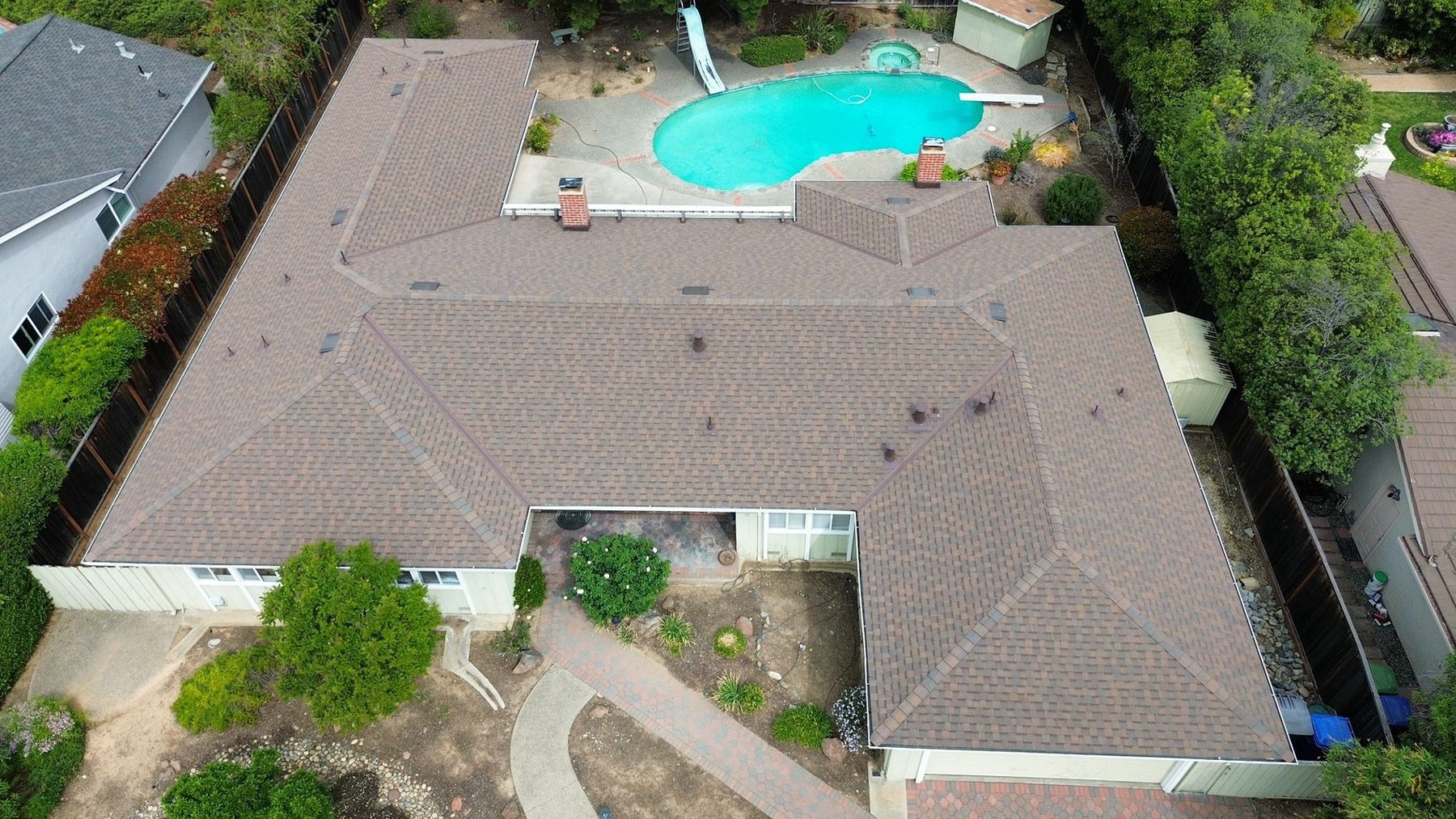
This 1928 Willow Glen bungalow needed a new shingle roof that suited its historic street. The gappy skip-sheathed deck was covered with solid sheathing during tear-off, the chimney leak was dealt with at the flashing, and the roof carries a 50-year manufacturer warranty. Time on site: 4 days.
A 1928 Bungalow
With a Stubborn Leak
The Willow Glen home was a 1928 Craftsman-influenced bungalow on one of Willow Glen's older residential streets — a neighborhood defined by dense historic architecture from the 1910s-30s. The existing architectural shingle roof was 22 years old (installed in 2003 as the home's second composition-era replacement, following an original cedar shake that had been converted in the 1970s). Classic end-of-service-life signals were throughout: heavy granule loss, curling shingles on the south slopes, and a persistent leak around the original brick chimney that had been patched three times in the past five years.
Willow Glen's specific roofing context adds complexity: many homes in this neighborhood have skip-sheathed decks from the original cedar shake era. Skip sheathing (1x6 boards spaced with gaps, designed to allow cedar shake to breathe) doesn't support modern composition shingles — which require a continuous substrate. Previous shingle installations often did inadequate job of addressing this, and the result is shingles prematurely failing over the gaps in the decking.
Three Problems to Solve at Once
Our assessment of this 1928 bungalow identified three priority items: (1) aesthetic compatibility — Willow Glen homes form visually-coherent blocks and the new roof color needed to complement the home's original character, (2) skip-sheathing substrate — we expected to find skip-sheathed decking during tear-off and planned for the solid sheathing overlay that would be needed, and (3) chimney flashing renewal — the recurring leak was almost certainly a flashing issue that three previous patches hadn't resolved.
Material specification: CertainTeed Landmark Pro architectural shingles in a weathered-wood profile chosen to approximate the original cedar shake aesthetic while meeting modern Class A fire rating. Premium synthetic underlayment. New copper chimney counter-flashing replacing the failed galvanized original. Ridge ventilation upgrade. And solid sheathing overlay over the skip-sheathed portions of the deck — the investment that lets the new roof actually hit its full warranty life.
Working Through
the Re-Roof
Street Walk & Overlay Check
We started outside, looking at nearby houses with the owner to settle on a roof look that belonged on the street. We also confirmed the house was not inside a designated historic preservation overlay. Parts of Willow Glen are, so we look up each address on its own.
Permit From the City
An ordinary residential re-roof permit, issued in 3 business days. Being in Willow Glen didn't change what the permit covered for this house.
Tear-Off & Substrate Assessment (Day 1-2)
We stripped the 2003-era shingles and, as we'd expected, found skip-sheathed sections left over from the cedar shake days. After photographing them we covered those areas with new 7/16" OSB solid sheathing. A further 8 sq ft of genuinely rotten deck turned up at the chimney base and was replaced.
Chimney Flashing Renewal (Day 2)
The chimney flashing was rebuilt from scratch: new step flashing where roof meets brick, copper counter-flashing above it, and fresh mortar in the joints that needed it. That took care of the leak three earlier patches hadn't stopped.
Underlayment & Shingle Installation (Day 2-4)
Next came DiamondDeck synthetic underlayment, correctly lapped, with ice-and-water membrane in every valley and around the chimney base. The Landmark Pro shingles went on in the owner's chosen color with matching hip-and-ridge caps, and a ridge vent replaced the weak original box vents.
Inspection, Warranty & Photos
Once the city inspector signed off, we registered the 50-year SureStart PLUS warranty, issued our 10-year workmanship warranty and delivered a photo record showing the chimney flashing and sheathing work before/after.
Layer by Layer,
What Went On
CertainTeed Landmark Pro Architectural Shingles
The weathered-wood color was picked to suit a 1928 Craftsman. StreakFighter algae resistance helps under Willow Glen's big street trees, and the shingle is covered by a 50-year SureStart PLUS manufacturer warranty.
7/16 inch OSB Solid Sheathing
Installed as overlay over the original skip-sheathed portions of the deck. Provides the continuous substrate that modern composition shingles require for proper performance and full warranty coverage.
CertainTeed DiamondDeck Synthetic Underlayment
Replaced the 2003-era felt. Tougher than felt, and backed by a 30-year warranty.
Copper Chimney Counter-Flashing
Replaced the failed galvanized pieces. Copper lasts 50+ years and darkens to a patina that looks right on an older house. The counter-flashing was let into the mortar joints so it stays put for the long haul.
CertainTeed CertaShake Ridge Ventilation
A continuous ridge vent in place of the original undersized box vents. Air moving through the attic keeps heat and moisture down, which matters in Willow Glen's damp winter months, and helps the shingles go the distance.
What the Homeowner Has Now
The owner now has a fully documented roof on a properly prepared deck, a chimney that no longer leaks, a working ridge vent and a look that suits the rest of the street. The 50-year SureStart PLUS warranty is paired with our 10-year workmanship warranty. Before/after photos of the sheathing overlay are filed with the house records, which will help at resale. And there's one more Willow Glen neighbor who knows our work firsthand.
Willow Glen Re-Roof
Photos
Re-Roofing Historic Homes
in Willow Glen
Willow Glen is one of San Jose's most architecturally distinctive neighborhoods — a dense concentration of historic residential architecture primarily from the 1910s through the 1930s. Craftsman bungalows along Lincoln Avenue, Spanish Revivals around Bird Avenue, and Tudor-influenced homes scattered throughout form a visually-coherent historic fabric that residents take seriously and buyers pay premiums for.
For a roofer, that history shows up overhead: most of these houses are 85-115 years old and on their third, fourth or even fifth roof. The original cedar shake on many was swapped for composition shingle in the 1970s-80s, and a lot of those 1970s jobs went straight over the skip sheathing underneath. So plenty of Willow Glen shingle roofs still sit on a deck that was never prepared for them. Covering that deck with solid sheathing is often the most worthwhile thing you can pay for during a Willow Glen re-roof.
Appearance matters a great deal here, since the neighborhood's character is part of what buyers pay for. A roof color shows up across the whole block, not just on one house. So we stroll the street with owners, bring samples you can hold against the siding, and suggest products that perform on the roof and look right from the curb. On Craftsman bungalows, shake-style architectural shingles (CertainTeed Presidential Shake, GAF Grand Sequoia) come close to the old cedar look while meeting today's fire code, a sensible middle ground for a historic house.
Answers for
Willow Glen Owners
More Case Studies
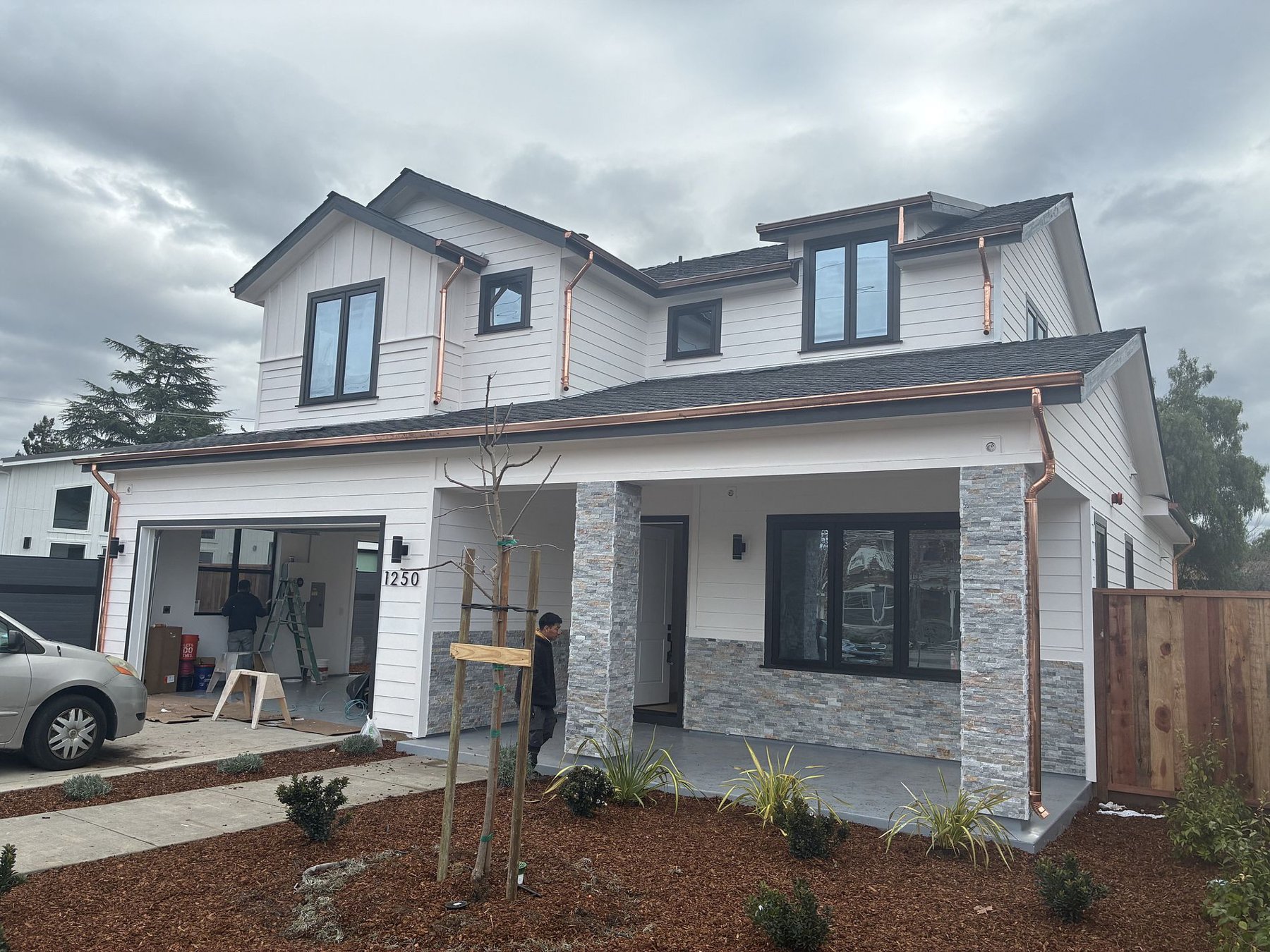
Castlemont Avenue
A Cambrian Park ranch that got new decking where it had rotted, a ridge vent and algae-resistant shingles.
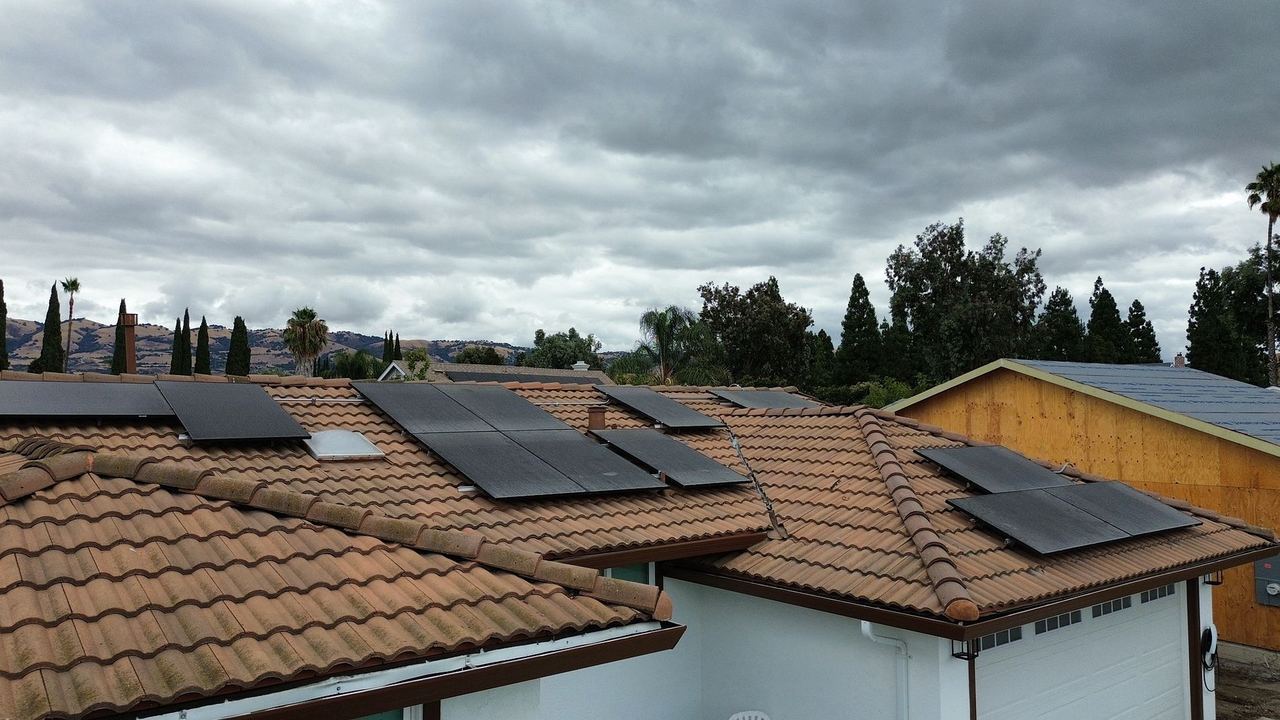
Almaden Tile Project
Original 1982 concrete tile lifted, new underlayment laid, and the same tile put back on a hillside home.