They're meaningfully different materials with different strengths. Here's a side-by-side comparison covering the factors that matter — cost, lifespan, aesthetic fit, maintenance, climate performance, and which homes each suits best.
The Short Answer
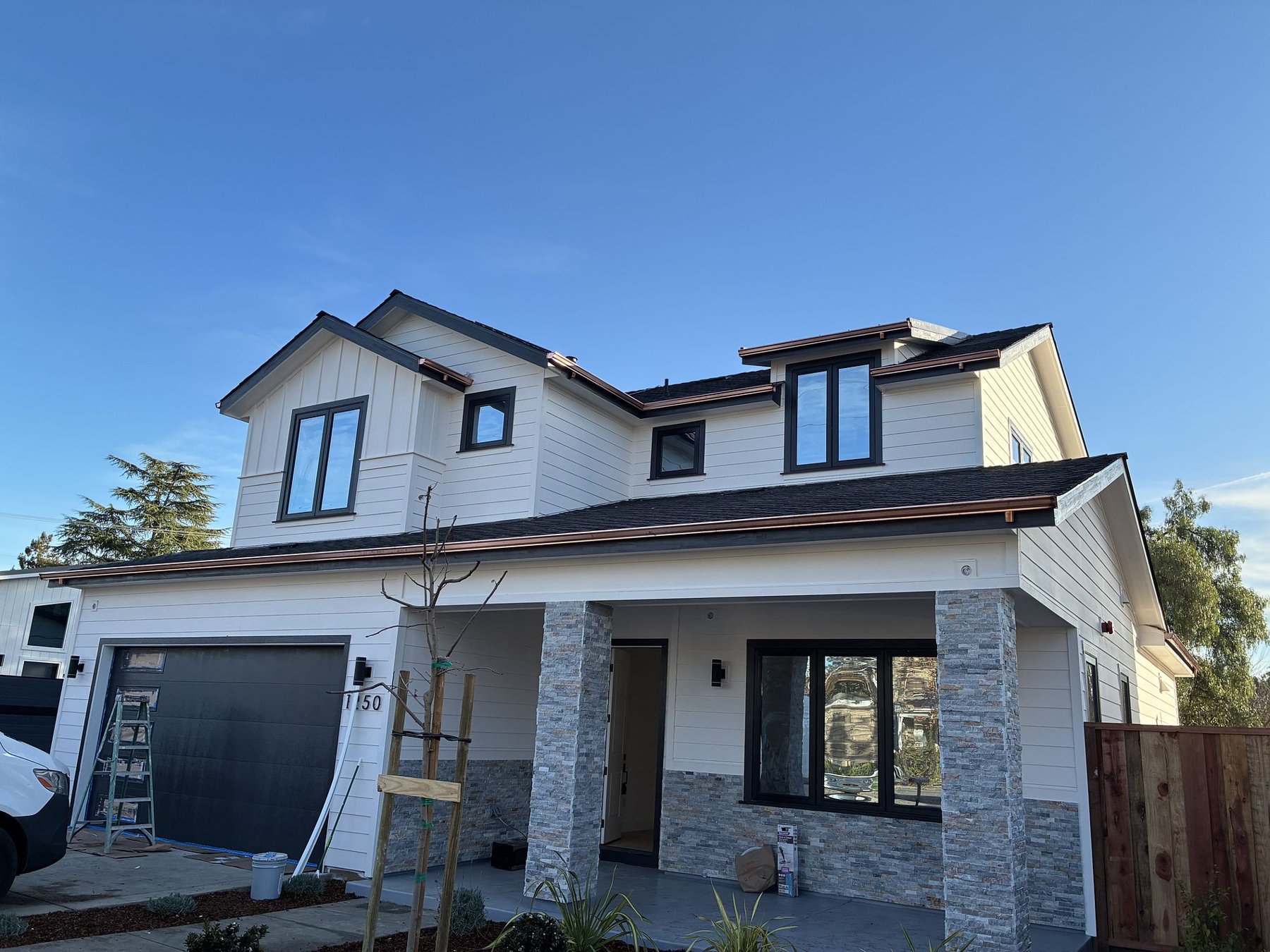
For most San Jose homes — mid-century ranches, newer tract homes, Craftsman bungalows — architectural asphalt shingle is the right choice. It's cost-effective, widely available in styles that match common architecture, and delivers 25-30 year service life with good warranties.
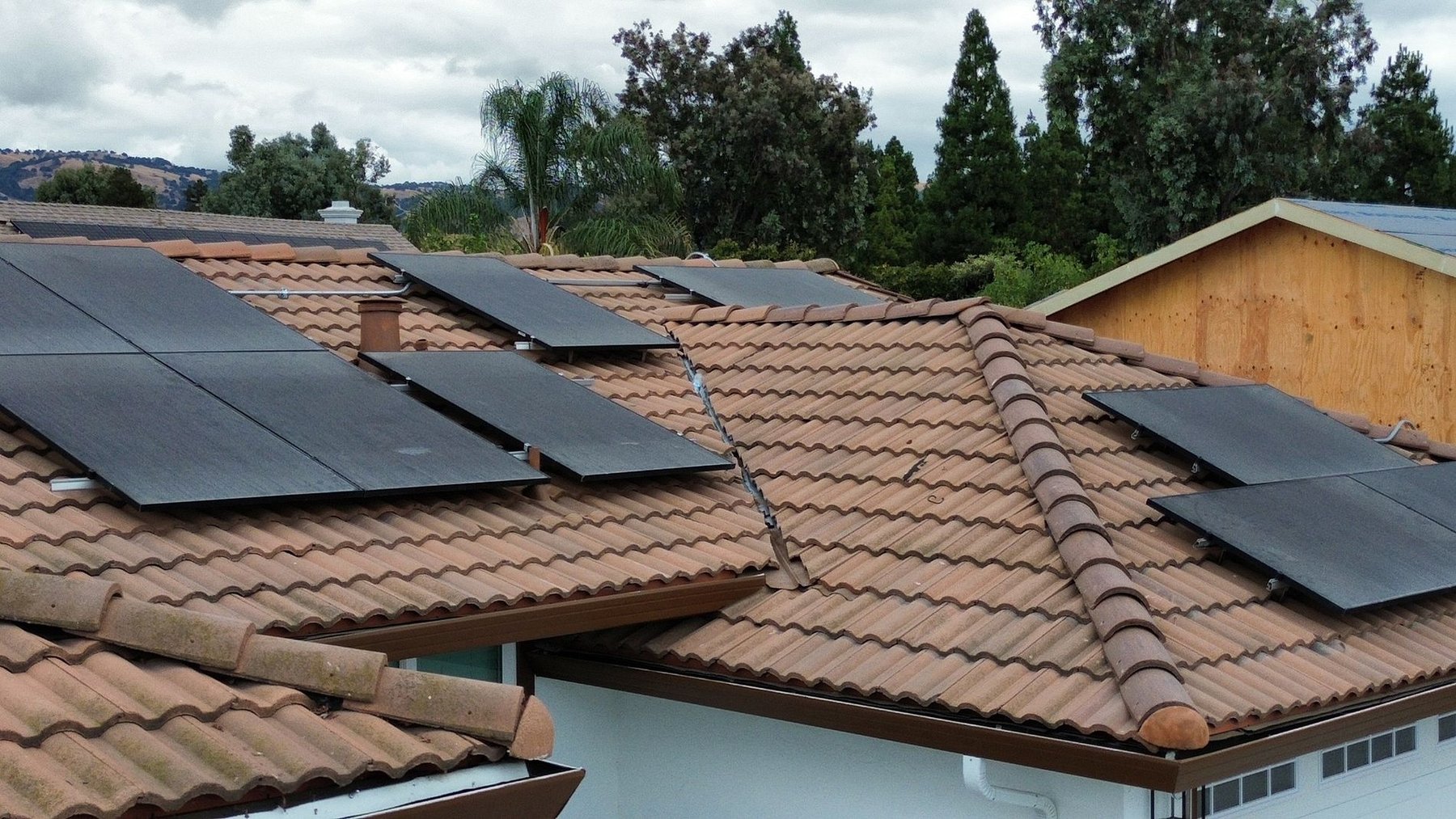
For Spanish Revival, Mediterranean, and custom homes — particularly in Willow Glen, Almaden Valley, Saratoga, and Palo Alto — concrete tile is often the architecturally correct answer. It costs more upfront but delivers 40-60+ year service life and matches the homes' design intent in a way shingle can't.
Neither is universally better. The right choice depends on your specific home.
Cost Comparison
Upfront installed cost is where these materials differ most significantly:
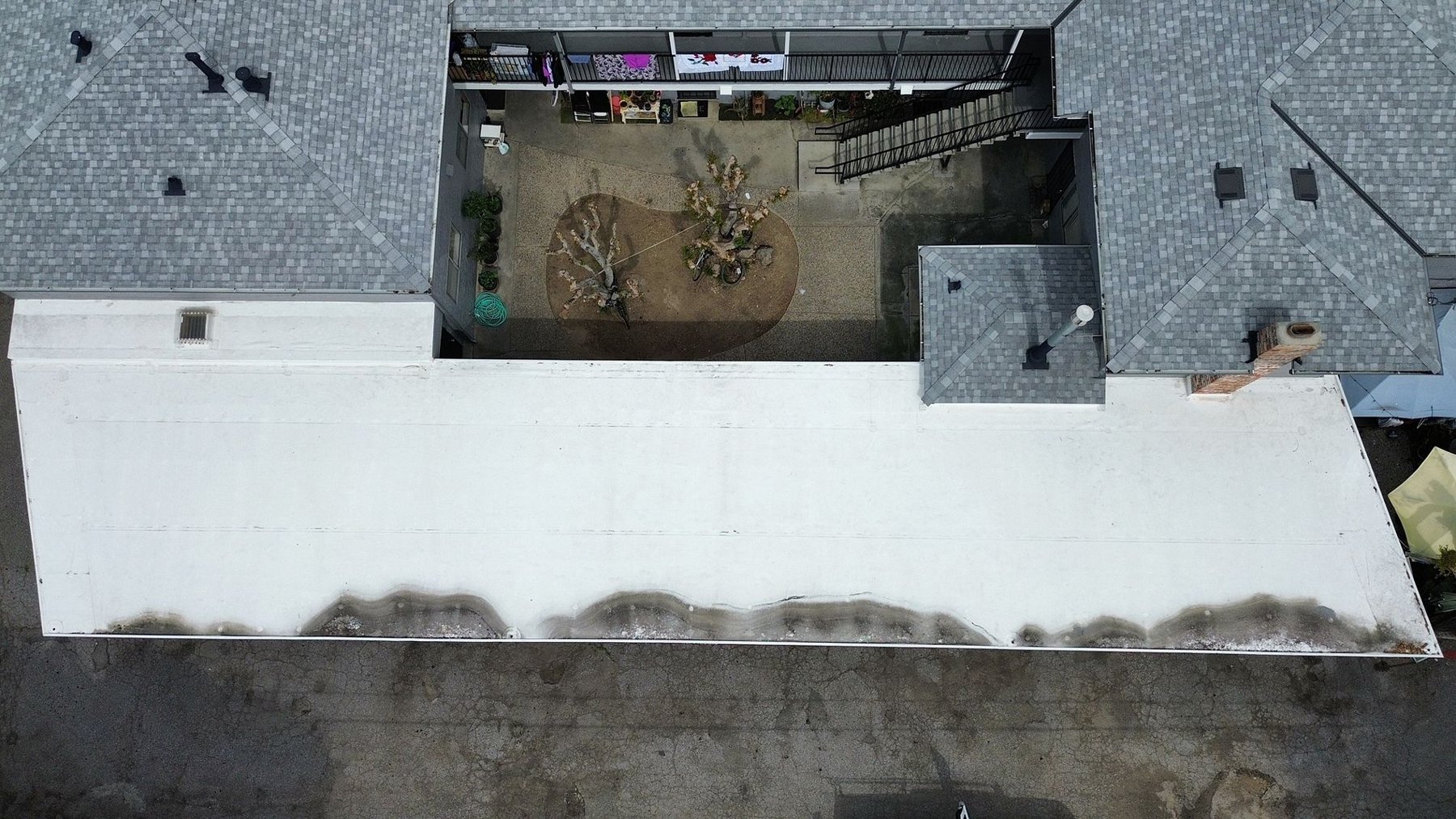
Architectural asphalt shingle: $6–$10 per square foot installed. For a typical 2,000 sq ft Bay Area roof, that's about $12,000–$20,000+ depending on complexity and shingle grade.
Concrete tile: $11–$18 per square foot installed. For the same roof, that's about $22,000–$36,000+.
Premium variants widen the range in both directions. Premium architectural shingle (CertainTeed Presidential, GAF Grand Sequoia) runs toward the upper end of shingle pricing. High-end concrete tile profiles or clay tile (not covered here, but relevant) can reach $25+ per square foot.
On total cost of ownership, the calculation shifts. Concrete tile's 50+ year lifespan vs. shingle's 25-30 years means tile avoids one re-roof cycle over the home's typical ownership timeline. When you factor in the avoided second replacement, tile often wins on a per-year-of-service basis.
Lifespan and Durability
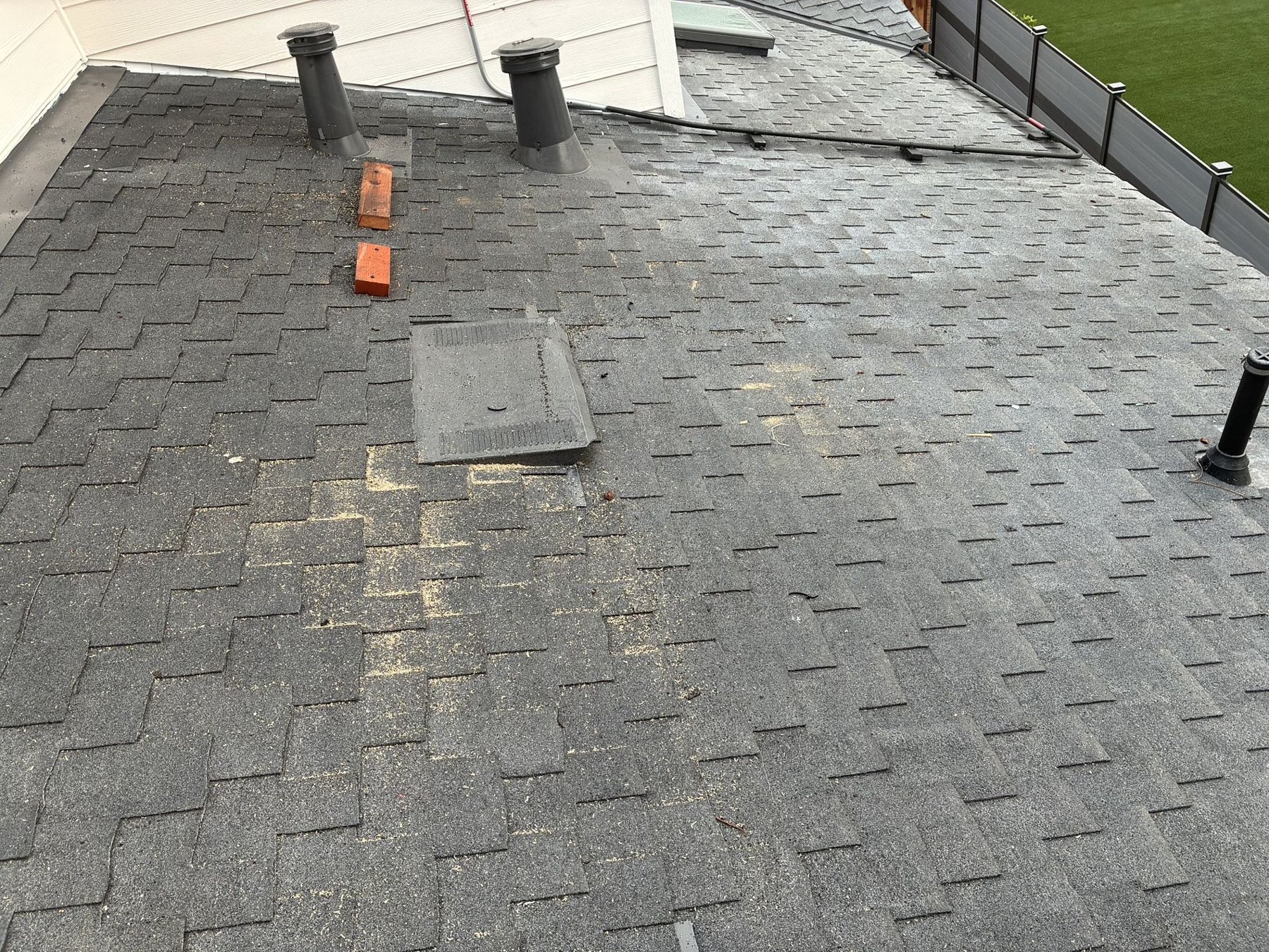
Asphalt shingle lasts 25-30 years in San Jose's climate with good installation and ventilation. Premium shingles can reach 35-45 years. The main failure modes are UV degradation of the asphalt, granule loss, and flashing-related leaks.
Concrete tile lasts 40-60+ years for the tile itself. Important caveat: the underlayment underneath typically lasts 25-35 years, so most concrete tile roofs need a lift-and-relay underlayment replacement at some point during the tile's service life. This is typically 40-60% of the cost of full tile replacement.
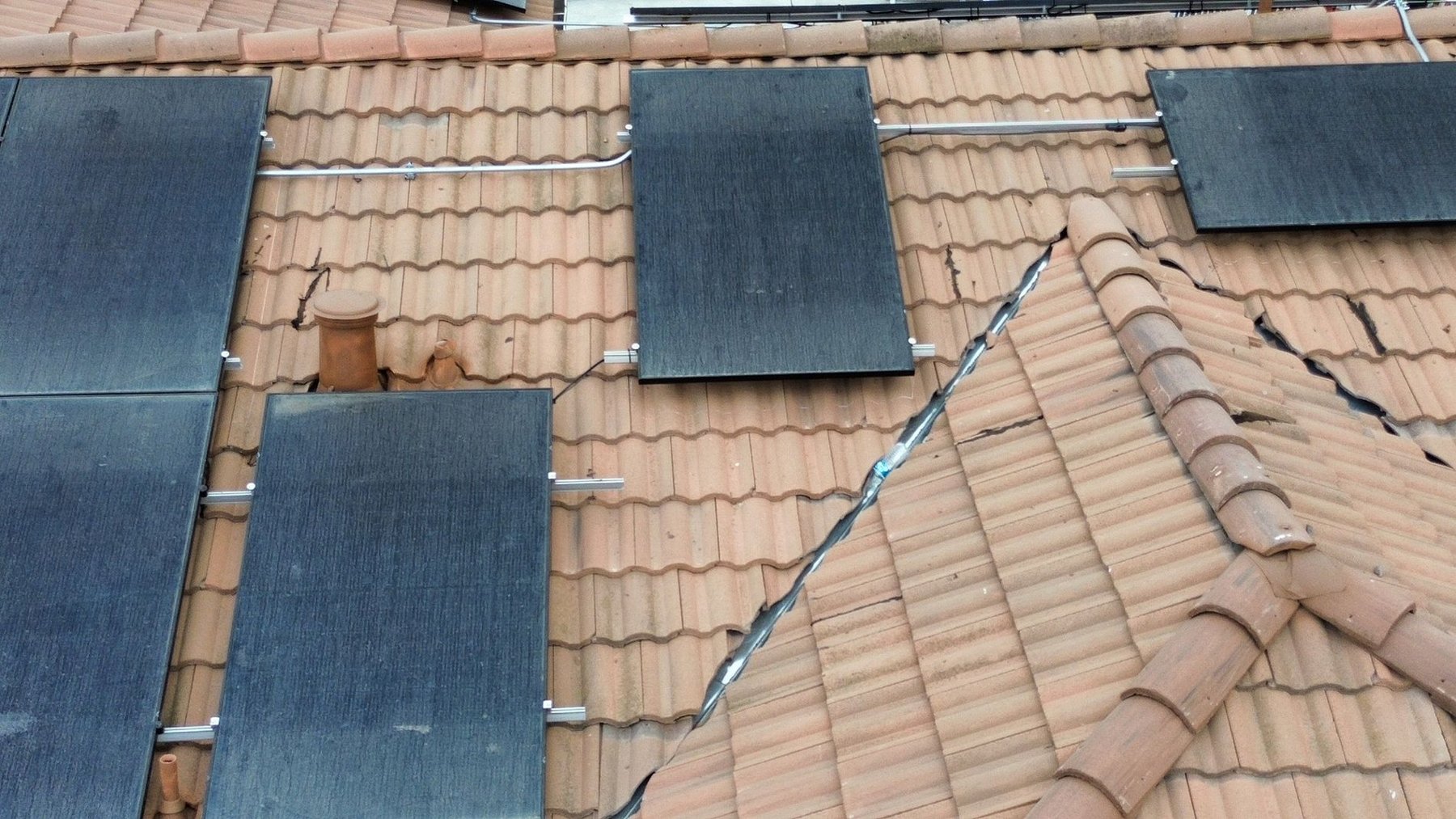
Durability against physical damage is an interesting comparison. Concrete tile is physically stronger against hail and debris impact but can crack from foot traffic (HVAC service, solar installs, roof cleaning). Shingles can tear in high winds but handle foot traffic without issue. In practice, both materials are durable when installed correctly and handled appropriately.
Climate Performance in the Bay Area
Both materials perform well in San Jose's Mediterranean climate. Some nuances:
Heat and UV: The South Bay gets 250+ sunny days per year with summer highs regularly hitting 90°F+. Roof surface temperatures can exceed 150°F. Both materials handle this, but shingles benefit from algae-resistant formulations and adequate attic ventilation to reach full warranty life. Concrete tile creates an air gap between the tile and the underlayment (effectively providing natural ventilation) which helps cooling efficiency.
Winter rainfall: San Jose averages about 15 inches annually, concentrated between December and March. Both materials handle typical rainfall well. Atmospheric-river events (occasional 3-5 inch rainfall in 48 hours) stress flashing and valley details more than field roofing — installation quality matters more than material choice for these events.
Fire performance: Both materials are Class A fire-rated when installed as part of a complete Class A assembly. For homes in WUI (Wildland-Urban Interface) zones, the assembly detail (edge metal, valleys, vents) matters more than tile-vs-shingle.
Aesthetic Fit
This is often the deciding factor when budget allows both materials.
Architectural shingle comes in dozens of colors and styles. Shake-look profiles (CertainTeed Presidential Shake, GAF Grand Sequoia) work well on Craftsman and traditional architectures. Slate-look profiles exist but look less convincing than other alternatives. Shingle is the right aesthetic choice for ranch homes, traditional architecture, Craftsmans, and most contemporary construction.
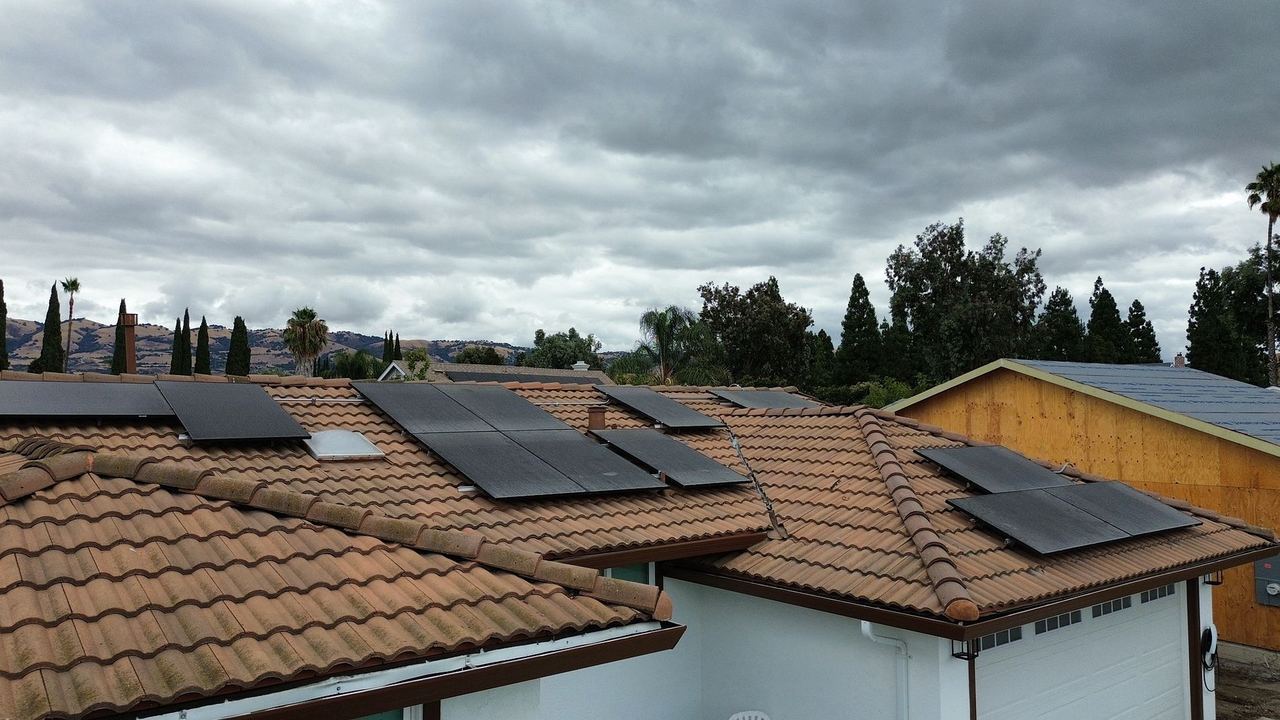
Concrete tile comes in Spanish 'S' profiles (the classic curved barrel look), flat profiles (cleaner modern aesthetic), and specialty shapes. Colors range from traditional terracotta through browns, grays, and custom blends. Concrete tile is architecturally correct on Spanish Revival, Mediterranean, Pueblo Revival, and most Spanish Colonial architecture. On a Craftsman or ranch home, concrete tile often looks out of place.
The test we recommend: take a photo of your home, then image-search for homes with similar architecture using different roof materials. You'll often see immediately which material is architecturally correct.
Maintenance Requirements
Asphalt shingle is low-maintenance. Annual gutter cleaning, periodic algae/moss treatment on shaded slopes, and general visual inspection every few years is usually sufficient. Roof repairs when needed (missing shingle, flashing issue) are relatively straightforward and inexpensive.
Concrete tile is also low-maintenance but has a few specific considerations: individual tile cracks from foot traffic or impact are common and need selective replacement (we carry legacy tile colors for this), and the underlayment renewal described earlier is a major mid-life event. Tile roofs benefit from professional inspection every 5 years — visible tile integrity is easy to assess, but underlayment and flashing condition requires trained evaluation.
Which One for Your Home?
Choose architectural asphalt shingle if:
• Your home's architecture is ranch, Craftsman, traditional, or contemporary
• You want the best upfront cost for 25-30 years of service
• You value a wide range of colors and styles
• You plan to move within 10-15 years
Choose concrete tile if:
• Your home's architecture is Spanish Revival, Mediterranean, or Pueblo
• You plan to stay in the home long-term (20+ years)
• You want the longest practical service life at reasonable cost
• Your existing tile is good quality and you can do lift-and-relay instead of replacement
Our recommendation during an estimate will always account for your specific home's architecture, your planned length of ownership, and your budget constraints. We don't upsell tile where shingle is the right answer, and we don't pitch shingle where tile is the architectural fit.
Frequently Asked Questions
Need professional help with your roof? Keith Roofing Company has been serving San Jose and the South Bay since 1952. We offer free estimates, honest recommendations, and work that's backed by BBB A+ Accreditation and CSLB License #1118418. Schedule a free estimate or call (408) 295-8616.