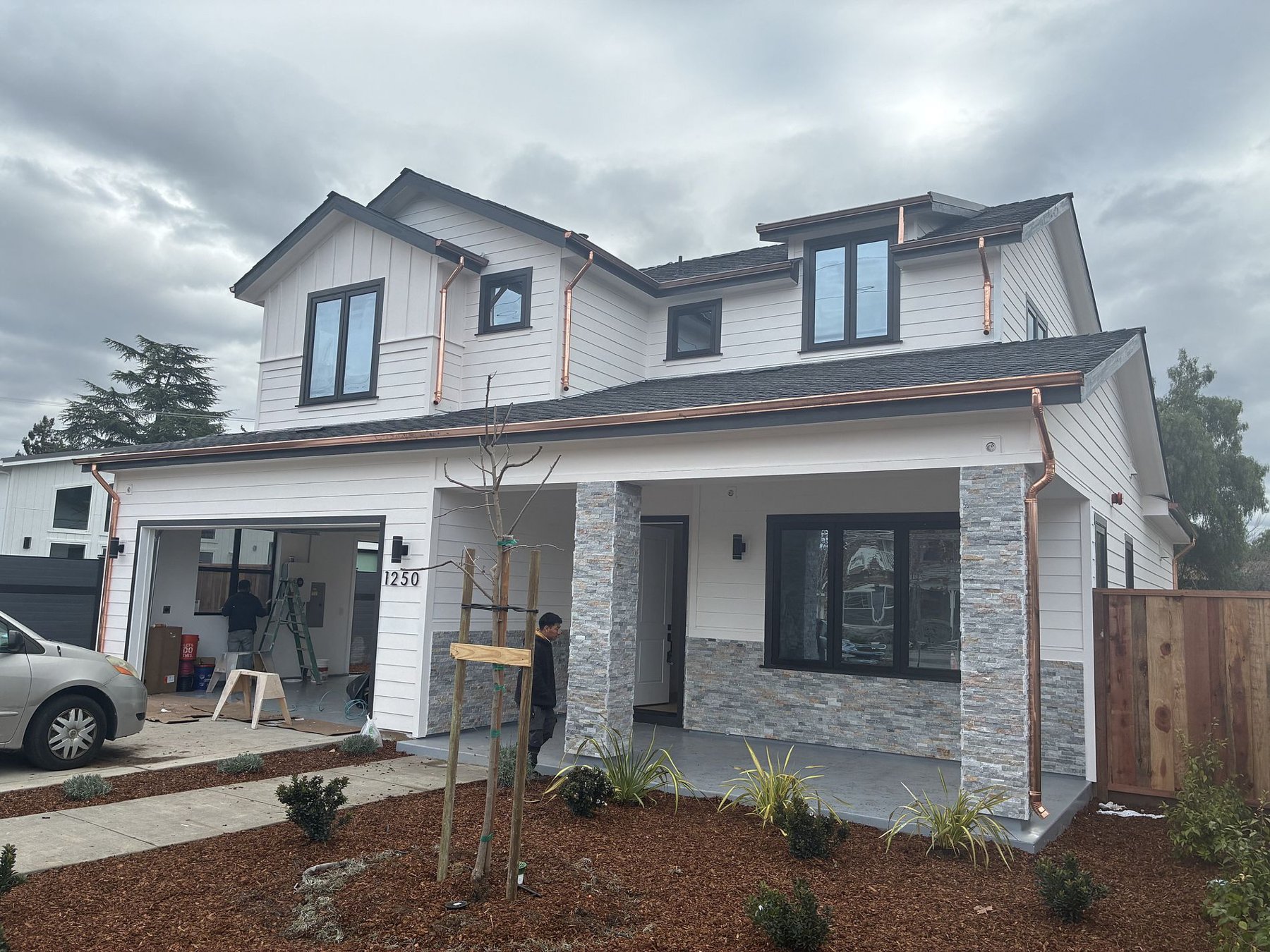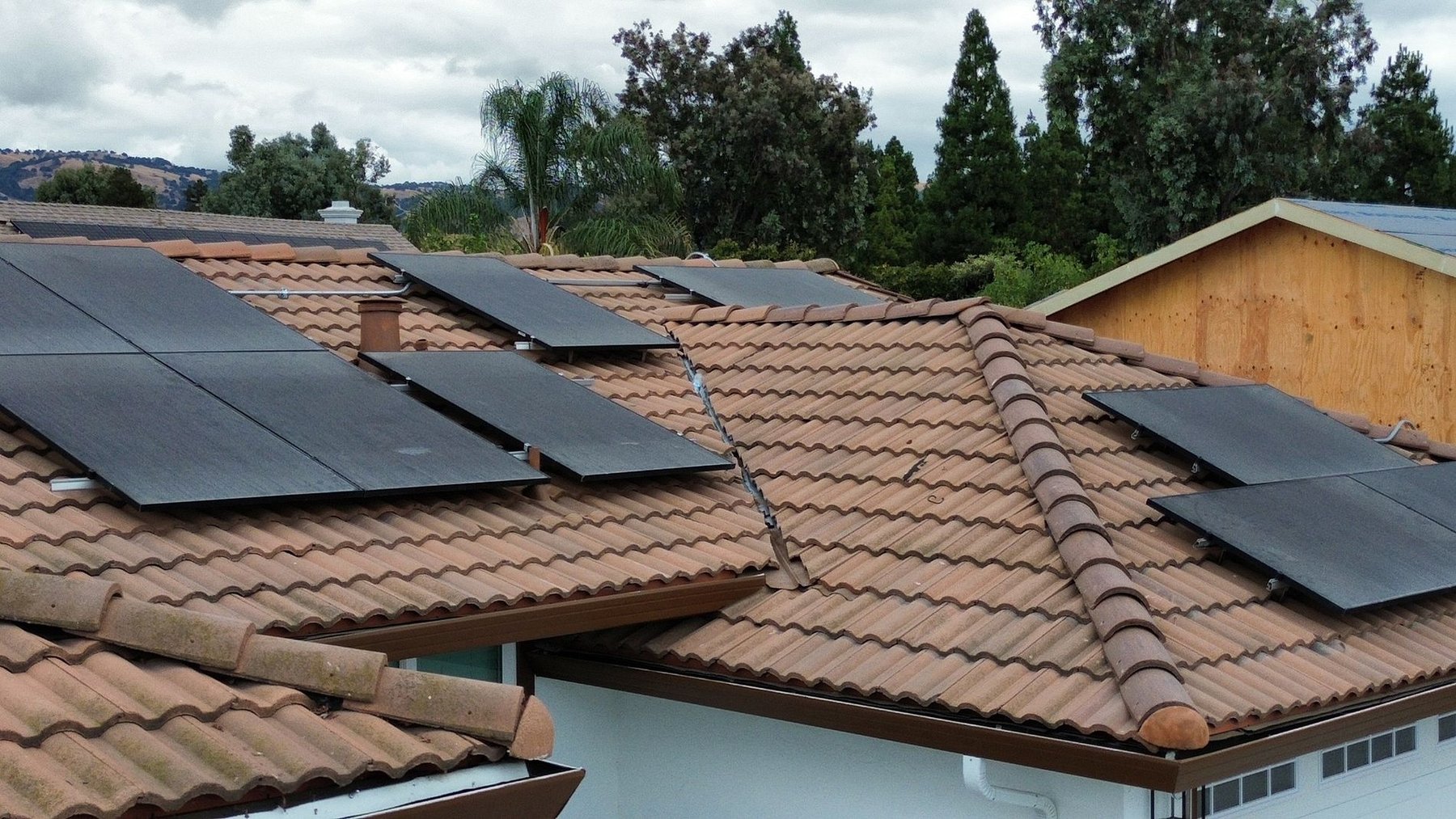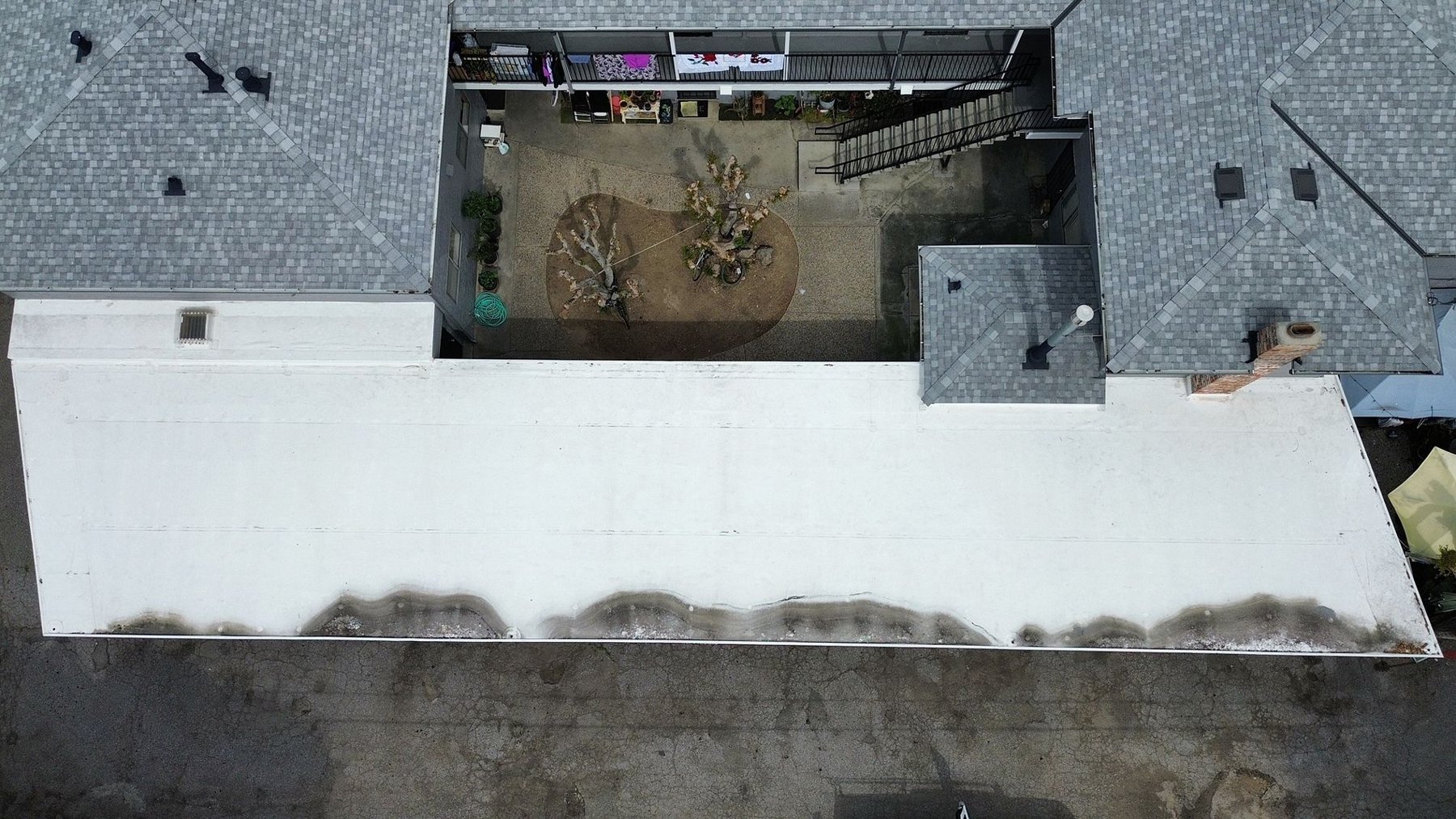
If you see one of these signs, it's worth an inspection. If you see multiple, it's time to plan replacement.
1. Your Roof Is 20+ Years Old
Age alone isn't a death sentence for a roof, but it's the most reliable context for interpreting everything else. Architectural asphalt shingles installed in the mid-1990s to early 2000s are now 20–30 years old — right at end of service life. 3-tab shingles from the same era are well past it.
If you don't know when your roof was installed, two practical ways to find out: (1) check the permit history on your property through the City of San Jose Building Department, or (2) ask us during a free inspection — we can often estimate installation era based on material, nail patterns, and flashing style.
2. Granules in Your Gutters and Downspouts
Asphalt shingles have a surface coating of mineral granules that protect the asphalt base from UV damage. When granules start shedding heavily, the shingle is losing its primary weathering protection. You'll find granules in your gutters, downspout splash zones, and sometimes piled up at downspout outlets.
Some granule loss is normal, especially right after installation (loose granules wash off). But persistent, heavy granule accumulation 15+ years into a roof's life is a clear signal that the shingle surface is degrading and UV breakdown of the underlying asphalt is accelerating. This doesn't reverse — once granules are gone, they're gone.
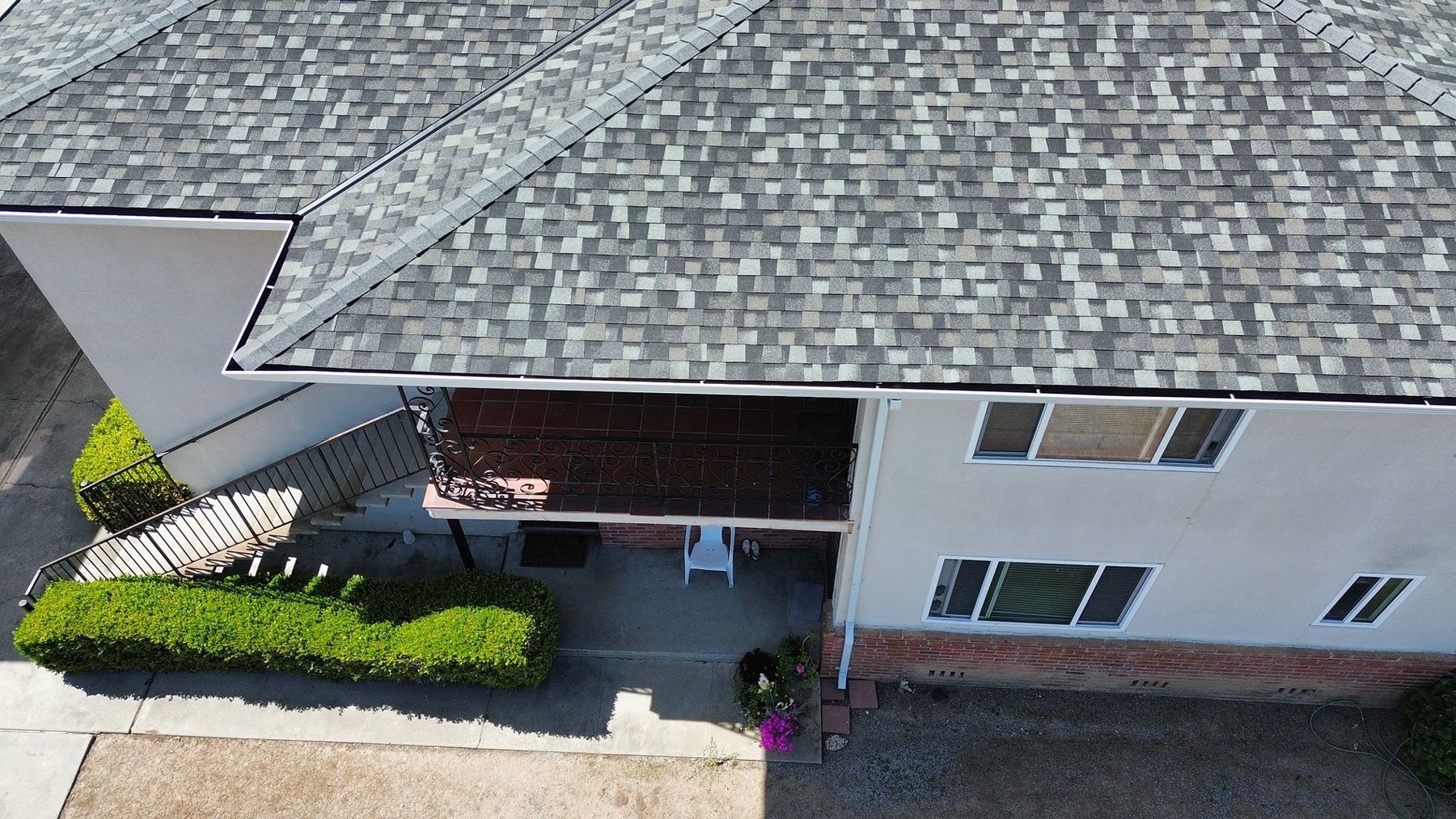
3. Curling, Cupping, or Buckling Shingles
Walk your property and look up at the roof. Shingles should lie flat. If you see:
• Curling: edges lifting upward (usually from moisture cycles and age)
• Cupping: center of the shingle depressed relative to the edges (heat stress)
• Buckling: shingles with waves or raised sections (often from deck issues or improper installation)
All three indicate that the shingle has lost its flexibility and protective integrity. A few curled shingles around vents or valleys can be repaired. Widespread curling across the field of the roof means roof replacement is due.
4. Multiple Active Leaks
A single leak is usually a flashing issue or localized damage — repairable without replacing the whole roof. But when leaks appear in multiple places, or when you fix one leak and another shows up a few months later, the underlying system has failed.
The math favors replacement once you're on your second or third leak repair in a year. Between the repair costs, the water damage you're addressing in the ceilings below, and the hidden moisture accumulating in the attic, ongoing repairs on a failing roof typically cost more than a proper replacement would have.
If your roof is actively leaking right now, we respond to emergencies — call (408) 295-8616 for same-day tarping when possible.
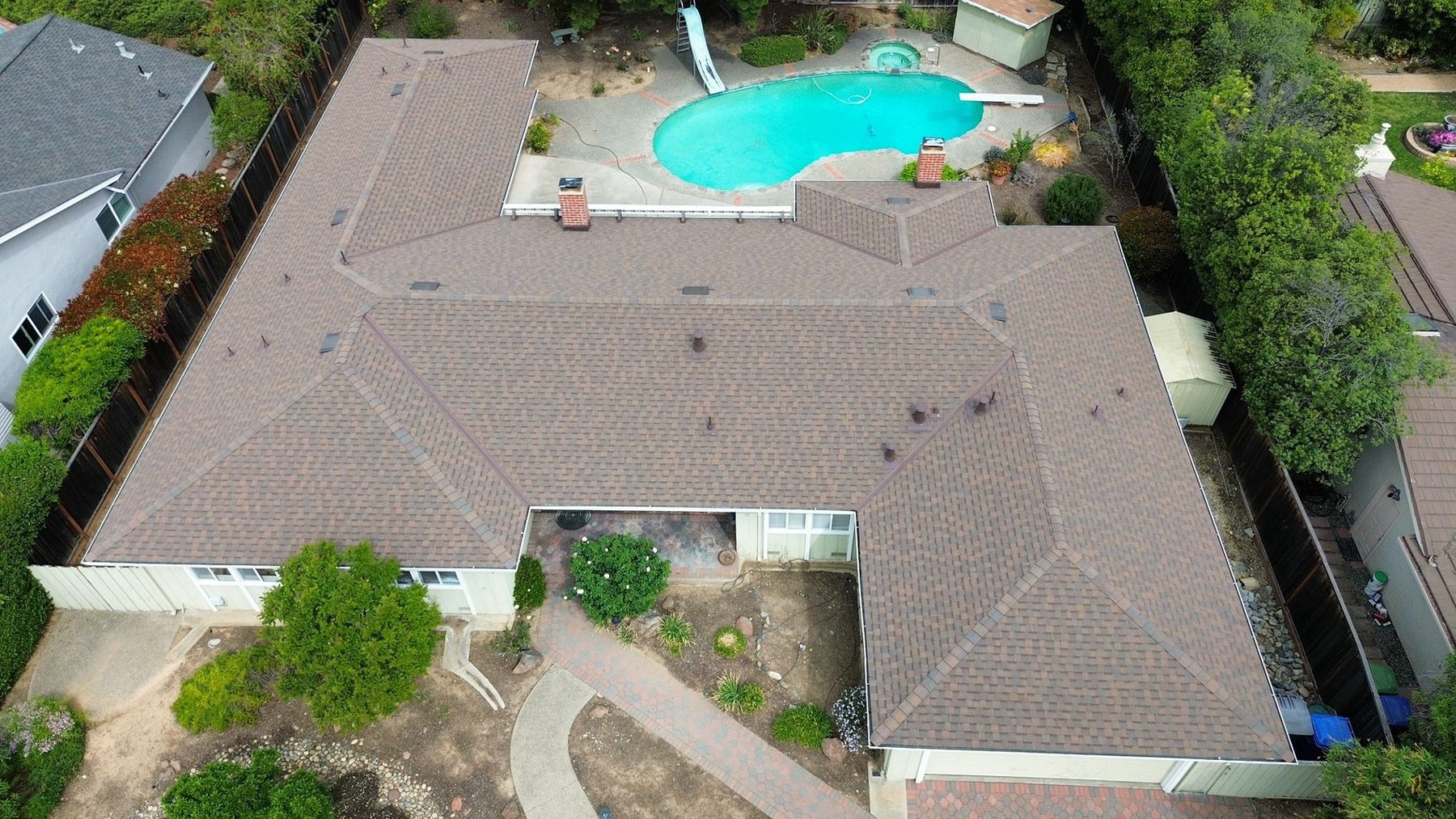
5. Sagging Rooflines or Visible Deck Issues
A sagging ridge line, visible dips in the roof surface, or soft spots underfoot (if you're on the roof) are serious structural signals. These usually indicate water damage to the roof deck underneath — which can only be assessed and repaired during a full tear-off.
Don't wait on this one. Structural deck issues get worse over time, and unaddressed deck damage can compromise the safety of the roof itself. Schedule an inspection promptly if you're seeing sagging or dipping.
6. Daylight Visible Through the Roof Deck
Visit your attic on a sunny day with the lights off. If you can see daylight coming through the roof, that's a clear indicator that somewhere on the roof surface, there's a gap large enough for water to enter. It might be a missing shingle, a failed flashing, or deck rot.
The attic inspection is one of the most diagnostic things you can do yourself. While you're up there, also look for water stains on the rafters, daylight around penetrations (vent pipes, chimneys, skylights), and any signs of mold or mildew growth. All of these suggest the roof envelope is compromised.
7. Your Insurance Company Is Asking Questions
California's property insurance market has gotten tough on roofs. Several major carriers are now non-renewing or surcharging policies based on roof age, material, and fire rating. If you've received a letter from your insurance company about your roof's age, a required inspection, or a coverage change, the industry is telling you that your roof is becoming a liability.
A documented roof replacement with manufacturer warranty and proper permit records typically resolves insurance concerns — and can sometimes restore coverage or reduce premiums. Financing is available for homeowners who want to replace proactively but need to spread the cost over time.
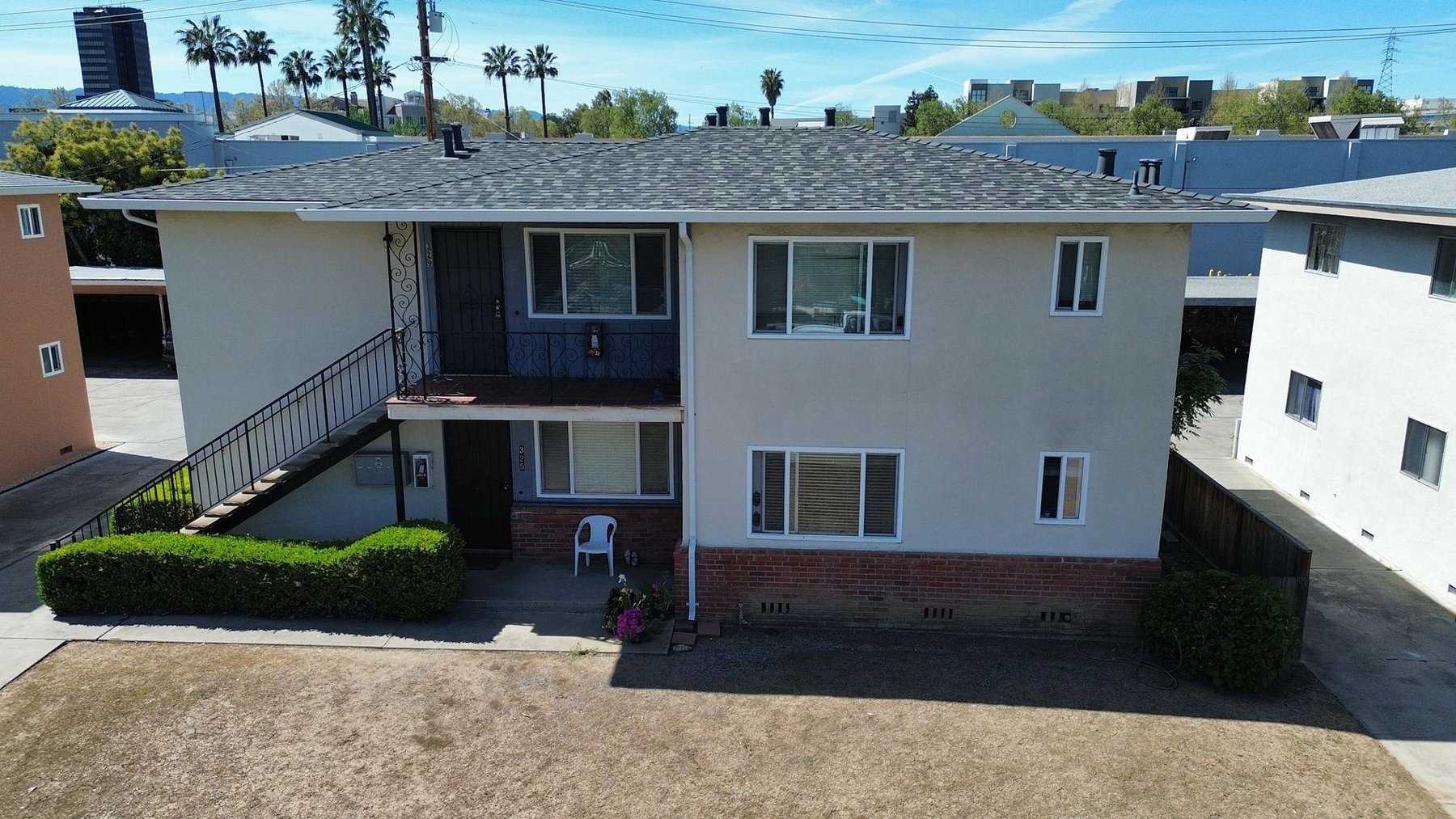
Seeing One or More of These? Here's What to Do
Any one of these signs warrants a closer look. Multiple signs together strongly suggest replacement is the right call.
The next step is simple: schedule a free inspection. Our estimator will walk your roof (where safe), inspect the attic, and give you a straight assessment — including whether repairs can extend the roof's life or whether replacement is the better value. We're not commission salespeople pushing unnecessary work. If repair is the right answer, we'll tell you.
Frequently Asked Questions
Need professional help with your roof? Keith Roofing Company has been serving San Jose and the South Bay since 1952. We offer free estimates, honest recommendations, and work that's backed by BBB A+ Accreditation and CSLB License #1118418. Schedule a free estimate or call (408) 295-8616.