The short answer: it depends on your material, climate exposure, and installation quality. The long answer is what this guide covers. We'll walk through every common residential roof material in the San Jose market, what realistic service life looks like, what factors shorten or extend it, and how to know when yours is getting close.
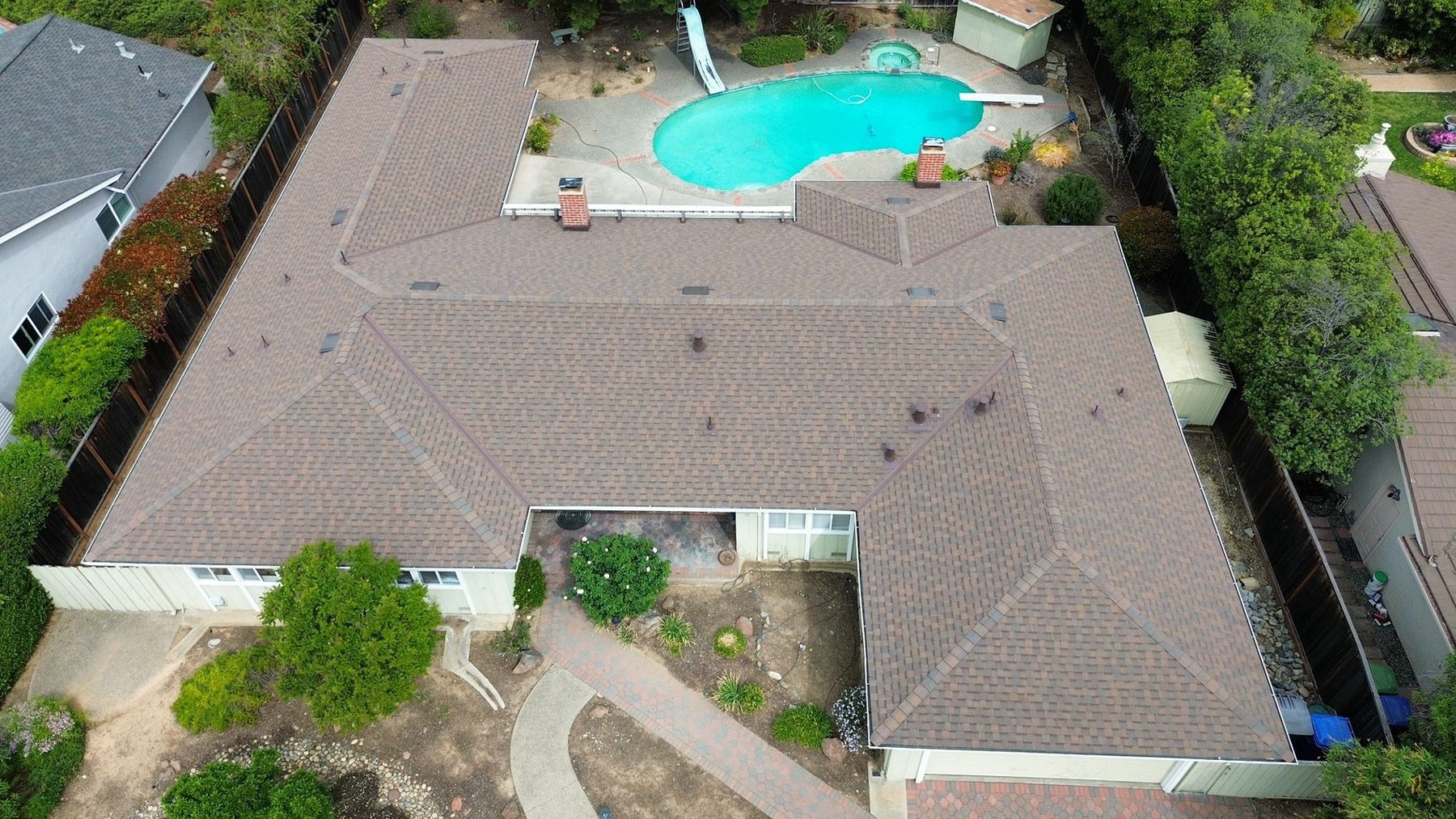
Asphalt Shingle Roofs: 20–30 Years Typical
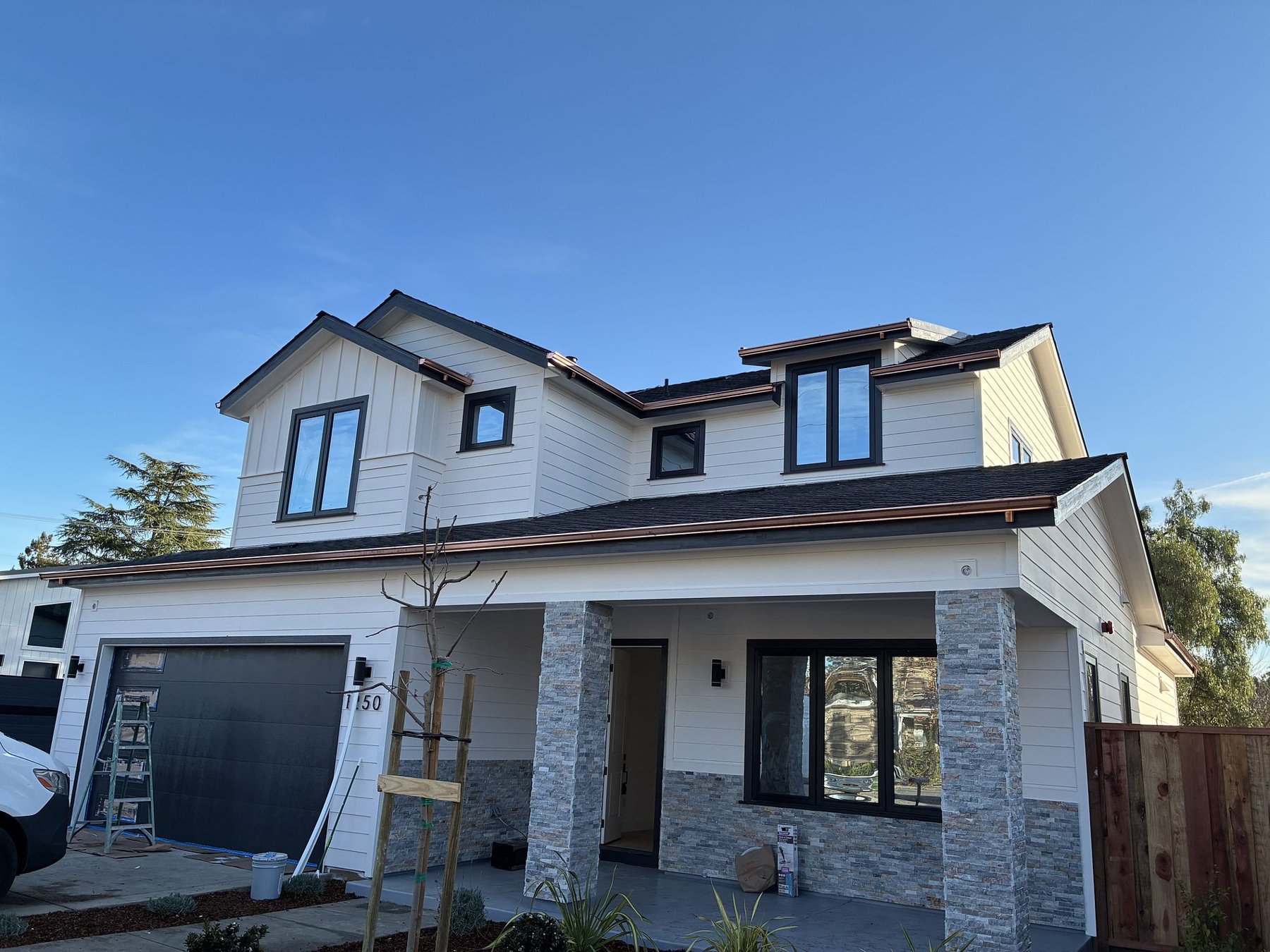
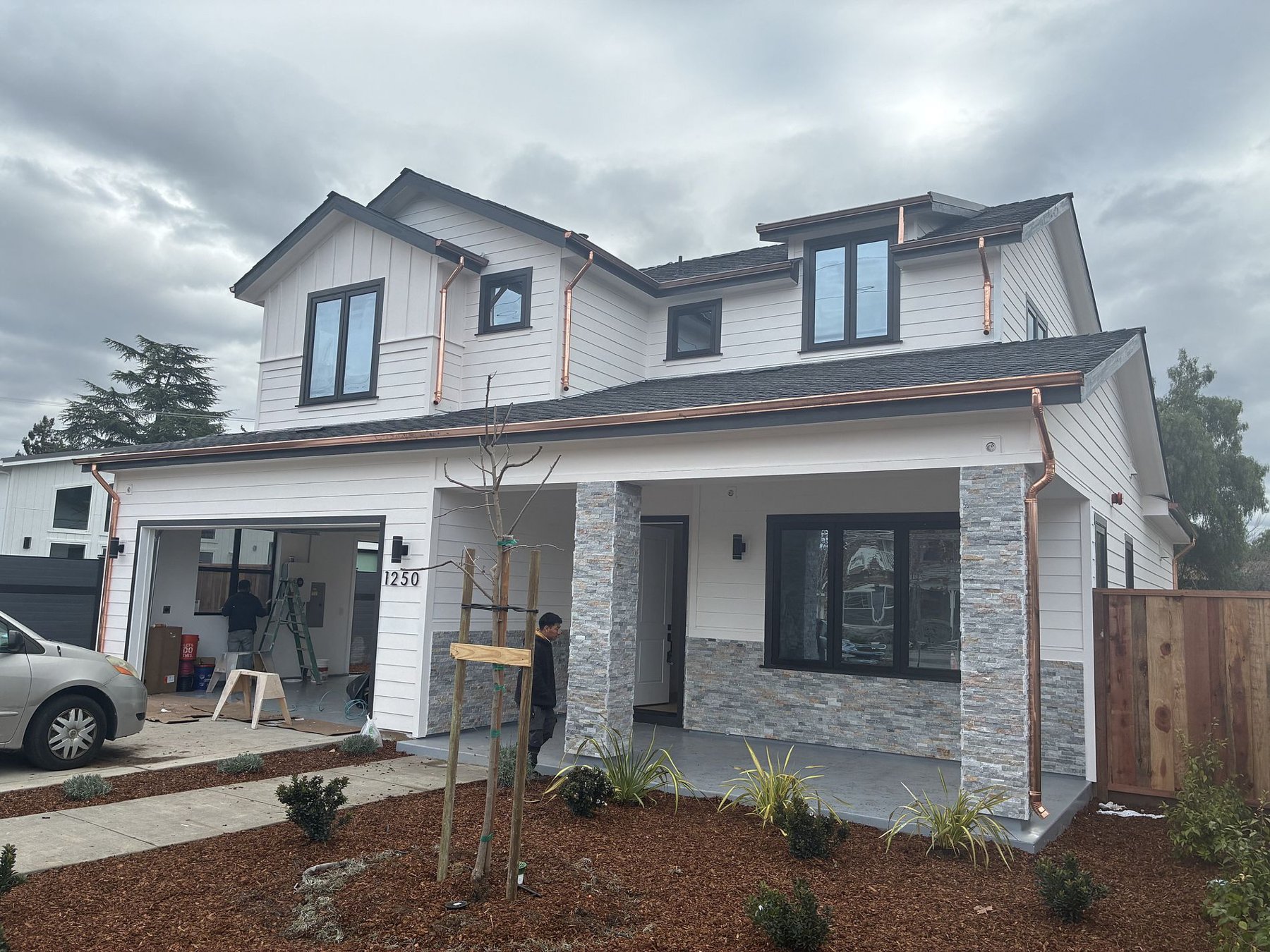
Architectural asphalt shingles are the most common residential roof material in San Jose. They're installed on most mid-century and newer tract homes across Cambrian Park, Evergreen, Berryessa, and similar neighborhoods. The realistic service life for architectural asphalt shingles in San Jose's climate is 25–30 years.
Premium architectural shingles (CertainTeed Presidential, GAF Grand Sequoia) can reach 35–45 years with proper installation and ventilation. Older 3-tab shingles, which most homes replaced in the 1990s and early 2000s, typically lasted 15–20 years — and any 3-tab roof still in place today is well past its service life.
The #1 factor affecting shingle lifespan in San Jose is attic ventilation. Properly-ventilated roofs hit their full warranty life. Under-ventilated roofs can fail 5–10 years early from heat-driven material breakdown. Our standard re-roof scope includes ventilation assessment and upgrade when needed — it's a small investment that protects the much larger shingle investment.
Concrete Tile Roofs: 40–60 Years Typical
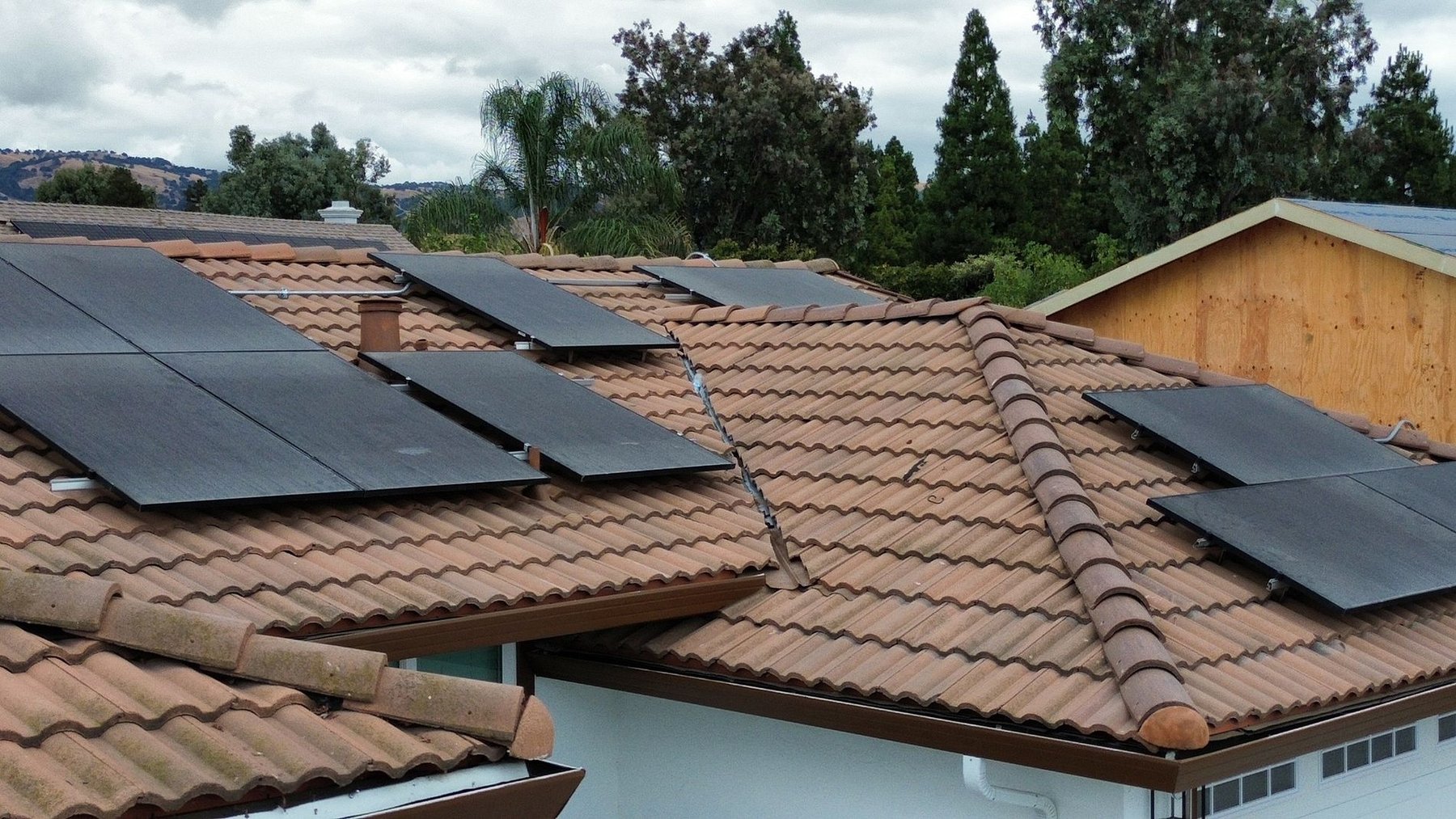
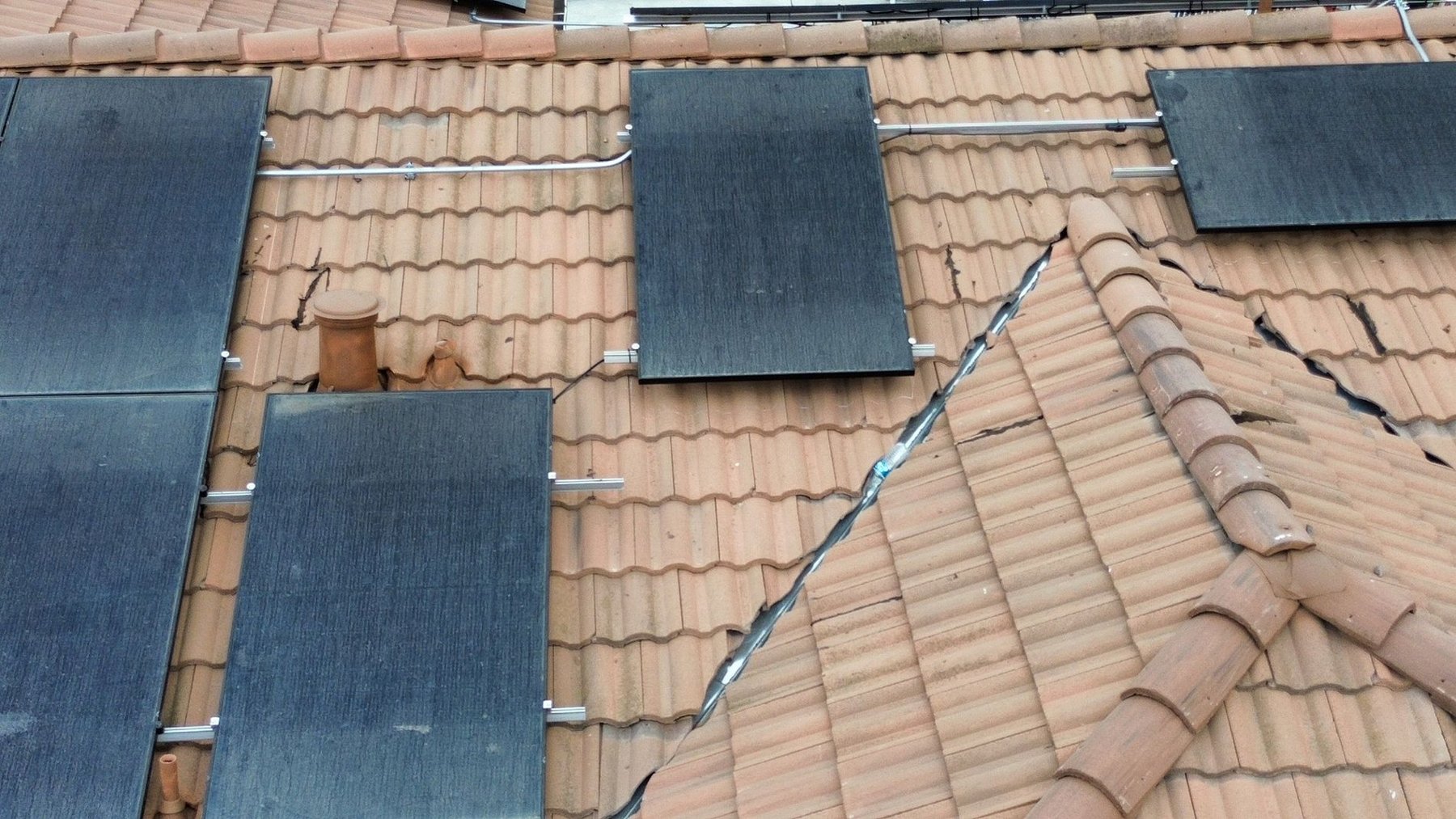
Concrete tile roofs are widespread in San Jose neighborhoods like Willow Glen (on Spanish Revival homes), Almaden Valley (on custom hillside construction), and anywhere Mediterranean-style architecture is common. Concrete tile delivers 40–60 years of service life, with many San Jose tile roofs reaching the 60-year mark.
Here's what's important: the tile itself and the underlayment underneath age at completely different rates. Concrete tile can easily last 60+ years. The synthetic or felt underlayment underneath typically lasts 25–35 years. That mismatch is why many San Jose tile roofs are candidates for lift-and-relay — a restoration technique where we carefully remove the existing tile, install new underlayment and flashing, and reinstall the original tile. It extends the roof another 30+ years at 40–60% of full-replacement cost.
If you're a San Jose homeowner with a concrete tile roof installed in the 1970s or 80s, the tile itself is probably fine. The underlayment underneath is probably not. An inspection can tell you for certain.
Clay Tile Roofs: 75–100+ Years
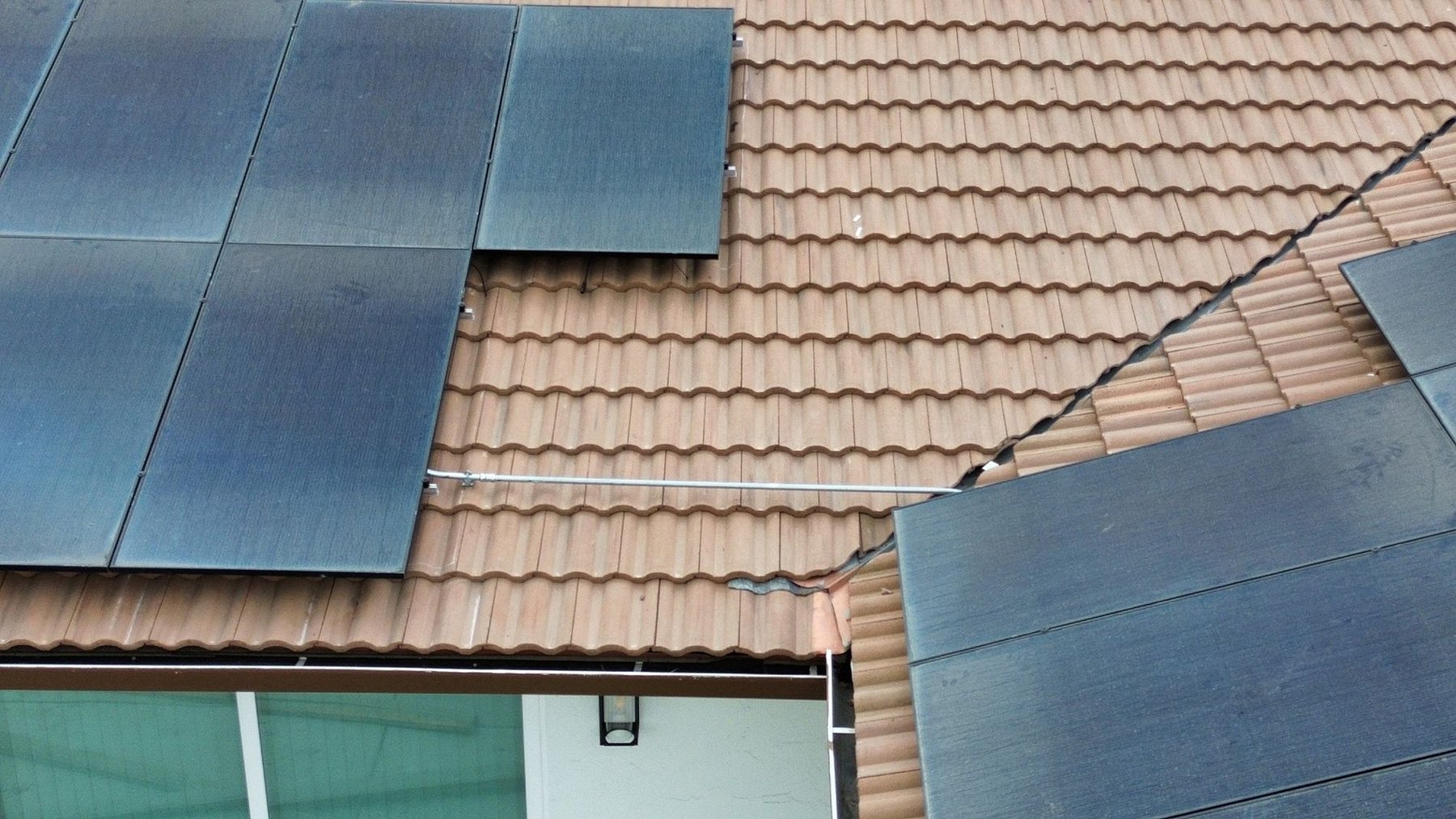
Clay tile — the Spanish barrel profile you'll see on historic Willow Glen and custom Saratoga/Palo Alto homes — is the longest-lasting common residential roof material. Clay tile routinely reaches 75–100+ years of service life. Many 1920s-era Willow Glen clay tile roofs are still in place today with just underlayment and flashing work over the decades.
Clay tile's main failure modes are physical damage (impact from falling branches, freeze cycles on the underside of tiles) and, again, underlayment failure. Well-maintained clay tile roofs can outlast multiple homeowners. For a premium Bay Area home where the architecture calls for it, clay tile is often the best total-cost-of-ownership option despite the higher upfront cost.
Cedar Shake (Original or Converted): 20–25 Years
Many older San Jose homes (particularly in Willow Glen, Rose Garden, and historic Saratoga) originally had cedar shake roofs. Cedar shake has a 25–30 year service life under ideal conditions, but in California's fire-prone environment, most cedar shake roofs have been converted to composition shingle or concrete tile for fire safety — especially in WUI (Wildland-Urban Interface) zones.
If you still have original cedar shake on your home, consider conversion regardless of the shake's condition. Class A fire-rated assemblies are increasingly required by California code, and insurance carriers are actively declining coverage on cedar shake in fire zones. Modern composition shingles with shake-look profiles (CertainTeed Presidential Shake, GAF Grand Sequoia) preserve the aesthetic while meeting fire code.
Metal Roofs: 40–70 Years
Standing-seam metal roofs are gaining popularity on modern transitional homes in Los Gatos, Saratoga, and upscale custom construction. Standing-seam metal delivers 40–70 years of service life with minimal maintenance, Class A fire rating by default, and excellent performance in wildfire-zone applications thanks to ember resistance.
Metal roofing costs meaningfully more than architectural shingle but competes with clay tile on upfront cost and usually wins on total cost of ownership. For homeowners planning to stay long-term in a fire-zone-classified property, standing-seam metal is often the best technical choice.
What Shortens a Roof's Life in San Jose
Several factors can cut a roof's lifespan meaningfully short of the material's theoretical maximum:
Poor installation. The single biggest factor. Improper underlayment overlap, wrong nail patterns, skipped ice-and-water shield, poorly-flashed penetrations — any of these can cut a roof's life in half. This is why contractor selection matters more than material selection.
Inadequate ventilation. Under-ventilated attics trap heat and moisture, accelerating shingle breakdown and wood-deck deterioration. Many older San Jose homes have inadequate ridge or soffit ventilation that can and should be upgraded at re-roof time.
Tree overhangs. Branches scraping the roof surface, debris accumulation in valleys, and persistent shade (which slows drying and encourages algae) all shorten roof life. Regular tree trimming and roof maintenance address most of this.
Deferred maintenance. Minor flashing failures, loose tiles, or clogged gutters that aren't addressed promptly turn into expensive damage over time. A simple annual roof inspection catches most issues while they're still small.
When Should You Plan a Replacement?
Start planning a replacement when any of these apply:
• Your roof is within 5 years of the upper end of its material's service life
• Multiple active leaks (not just one repairable issue)
• Visible granule loss, curling, or cracking across large sections
• Sagging rooflines or visible structural issues
• Insurance carrier has flagged the roof for non-renewal or premium increase
• You're planning solar installation (do the roof first)
• You're listing the home within 2 years (pre-sale re-roofs have high ROI)
A qualified inspection — which we offer free with any estimate — can give you a specific assessment of your roof's remaining service life and help you plan with certainty rather than guess.
Frequently Asked Questions
Need professional help with your roof? Keith Roofing Company has been serving San Jose and the South Bay since 1952. We offer free estimates, honest recommendations, and work that's backed by BBB A+ Accreditation and CSLB License #1118418. Schedule a free estimate or call (408) 295-8616.