Roofing Contractor
in Los Altos, CA
Custom homes, tile, standing seam metal and roofs with a lot of angles: that is most of what Keith Roofing Company does in Los Altos and Los Altos Hills. California Licensed #1118418, family-owned since 1952, BBB A+ Accredited.
Los Altos's Trusted
Roofing Contractor
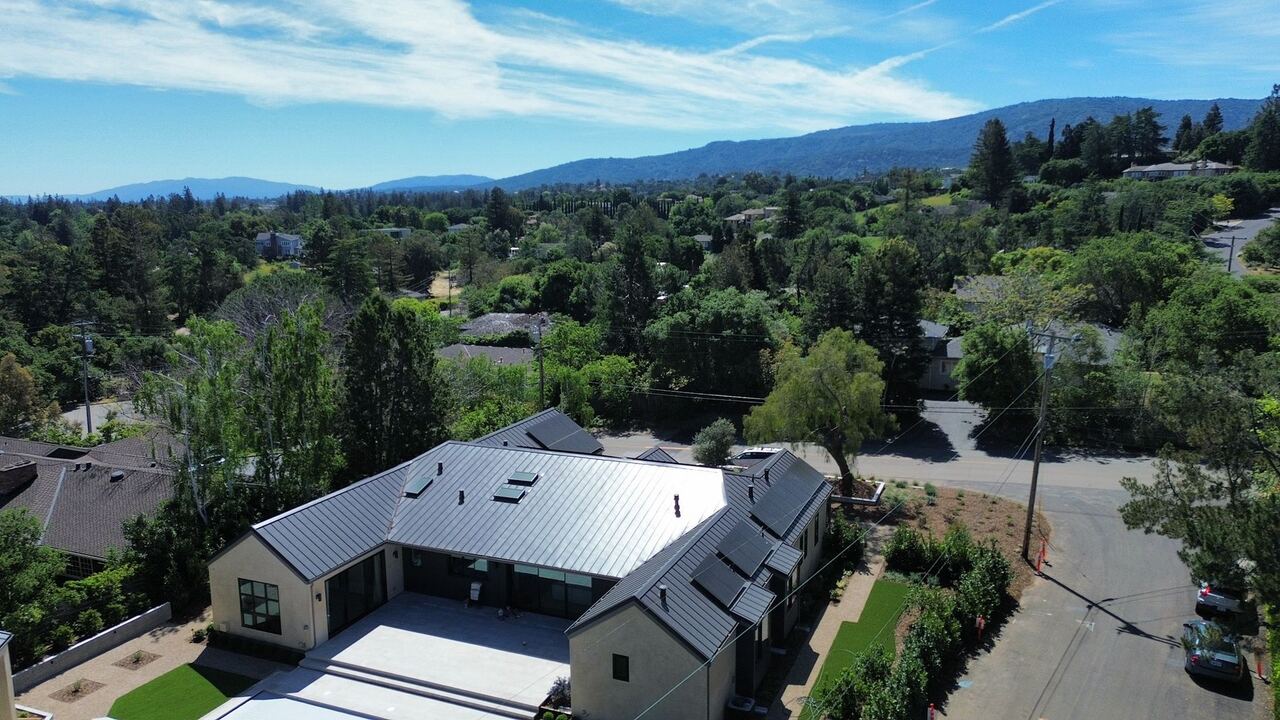
We have real project history in this market — our standing seam metal roof in Los Altos Hills is one of the projects we point people to most often, because it shows exactly the kind of work these properties need. Los Altos and Los Altos Hills run to large lots, mature orchard-era landscaping, custom architecture and roofs with genuinely complex geometry.
The market splits usefully. Old Los Altos and the downtown-adjacent streets hold period and orchard-era homes on smaller lots. Country Club and the central neighborhoods are mid-century and later on generous lots, much of it rebuilt or substantially expanded. Los Altos Hills is a separate town with its own requirements — larger parcels, steeper terrain, one-acre minimums, serious fire considerations, and architecture that frequently calls for metal or tile rather than shingle.
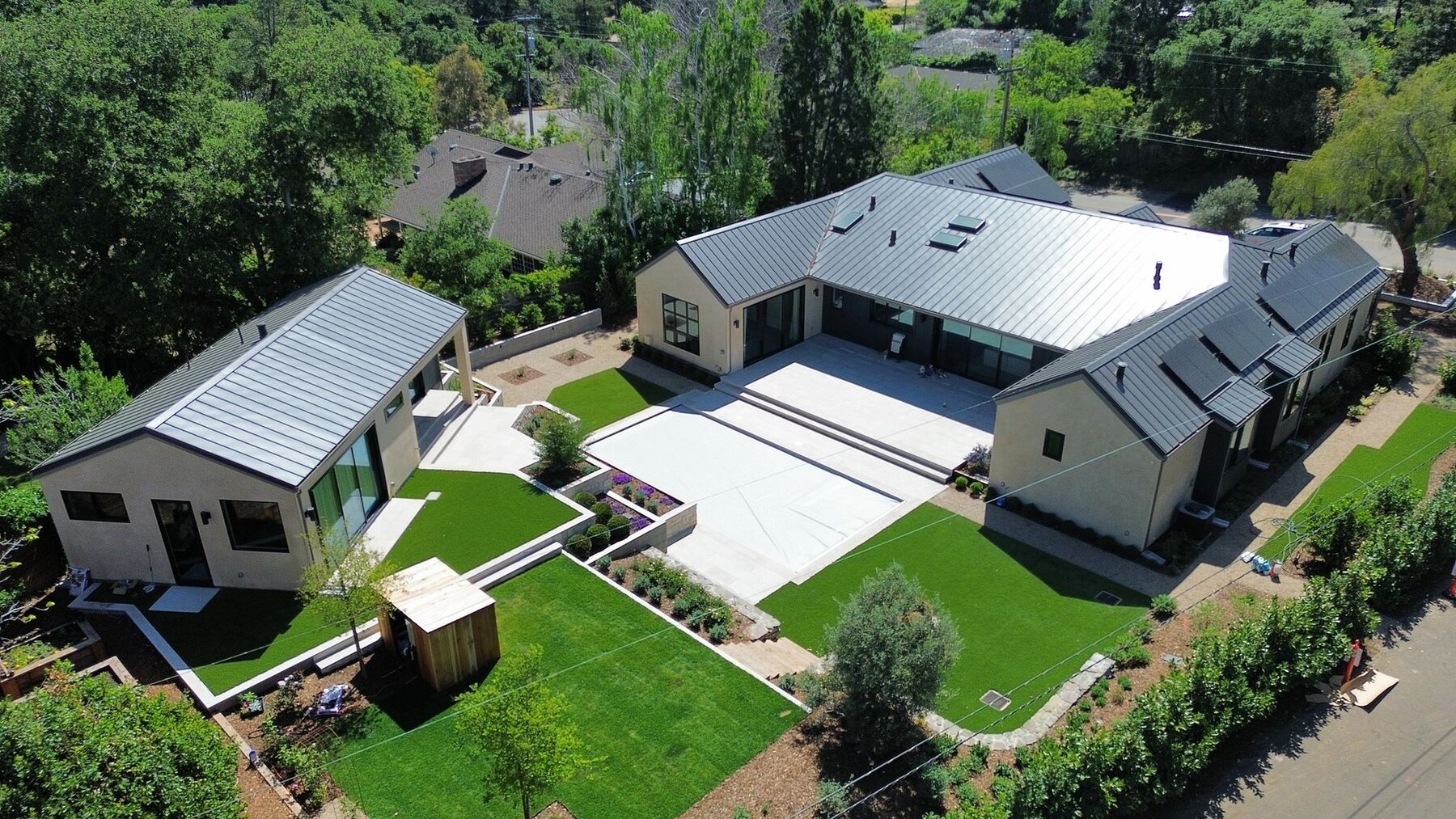
What this means for you: Los Altos roofs tend to be more complicated than their square footage suggests — multiple intersecting planes, long valleys, dormers, clerestories, and transitions between pitched and low-slope sections. Those junctions are where roofs leak, and they are exactly what a cheap bid economizes on. We price the geometry honestly and detail it properly.
What We See on
Los Altos Roofs
Orchard-era cottages, rebuilt ranches and hillside custom homes each age in their own way. This is what we tend to find on them.
This is a premium material market. Concrete and clay tile, standing seam metal, premium designer shingle, and custom copper gutter work are all routine here rather than exceptional. Wood shake was historically common and has largely been converted out for fire reasons — many of those 1980s and 1990s conversion roofs are now themselves due for replacement. Low-slope sections appear frequently on contemporary architecture, where the pitched-to-flat transition is the critical detail.
Wildland-Urban Interface Fire Requirements
Los Altos Hills and the western edges sit in genuine fire country. A Class A roof is only the start. Whether a house survives a fire often comes down to small openings: vents, eaves, valleys and gutters where embers can settle.
Aging 1980s–90s Shake Conversions
A great many homes here moved off wood shake in the 1980s and 1990s. Those replacement roofs are now 30-plus years old and reaching end of life — often with skip-sheathing decisions underneath that need addressing this time around.
Complex Geometry and Long Valleys
Custom architecture produces multiple intersecting planes, extended valleys, dormers and clerestory transitions. Every junction is a potential failure point, and long valleys under mature canopy clog and dam water sideways.
Pitched-to-Low-Slope Transitions
Contemporary Los Altos homes frequently combine pitched roofs with flat sections over additions, garages and living areas. The junction between the two systems is the single most common leak location on these houses.
Standing Seam Metal, Tile and Fire-Rated Assemblies for the Foothills
Why This Works Here
Two things drive material choice in Los Altos: fire performance and architecture. Up in the hills, a fire-rated roof and eaves and vents that shut out embers protect the household; they are not paperwork. And the architecture — contemporary, mid-century modern, Mediterranean — frequently calls for metal or tile, both of which happen to be excellent fire performers.
Technical Installation Approach
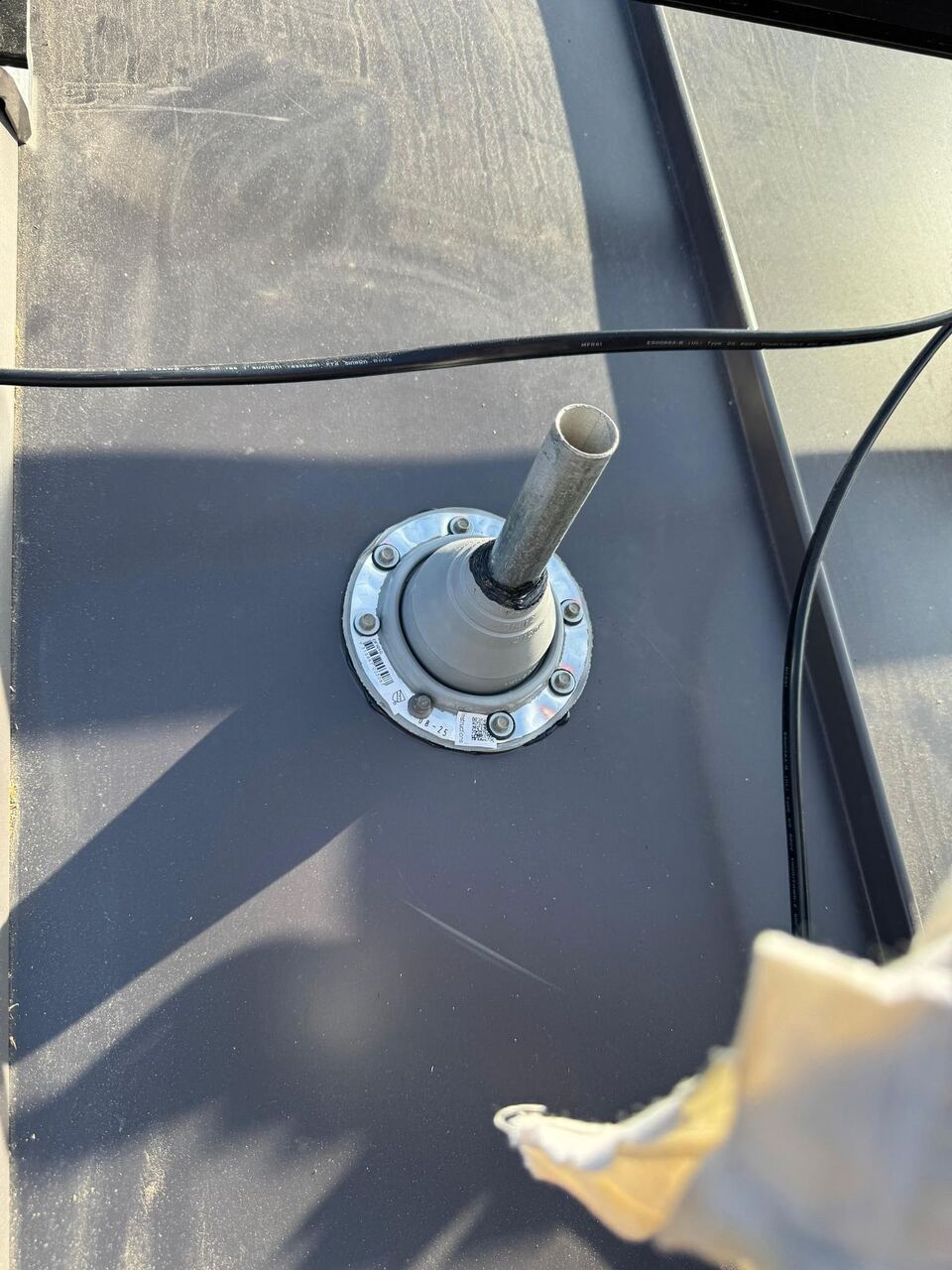
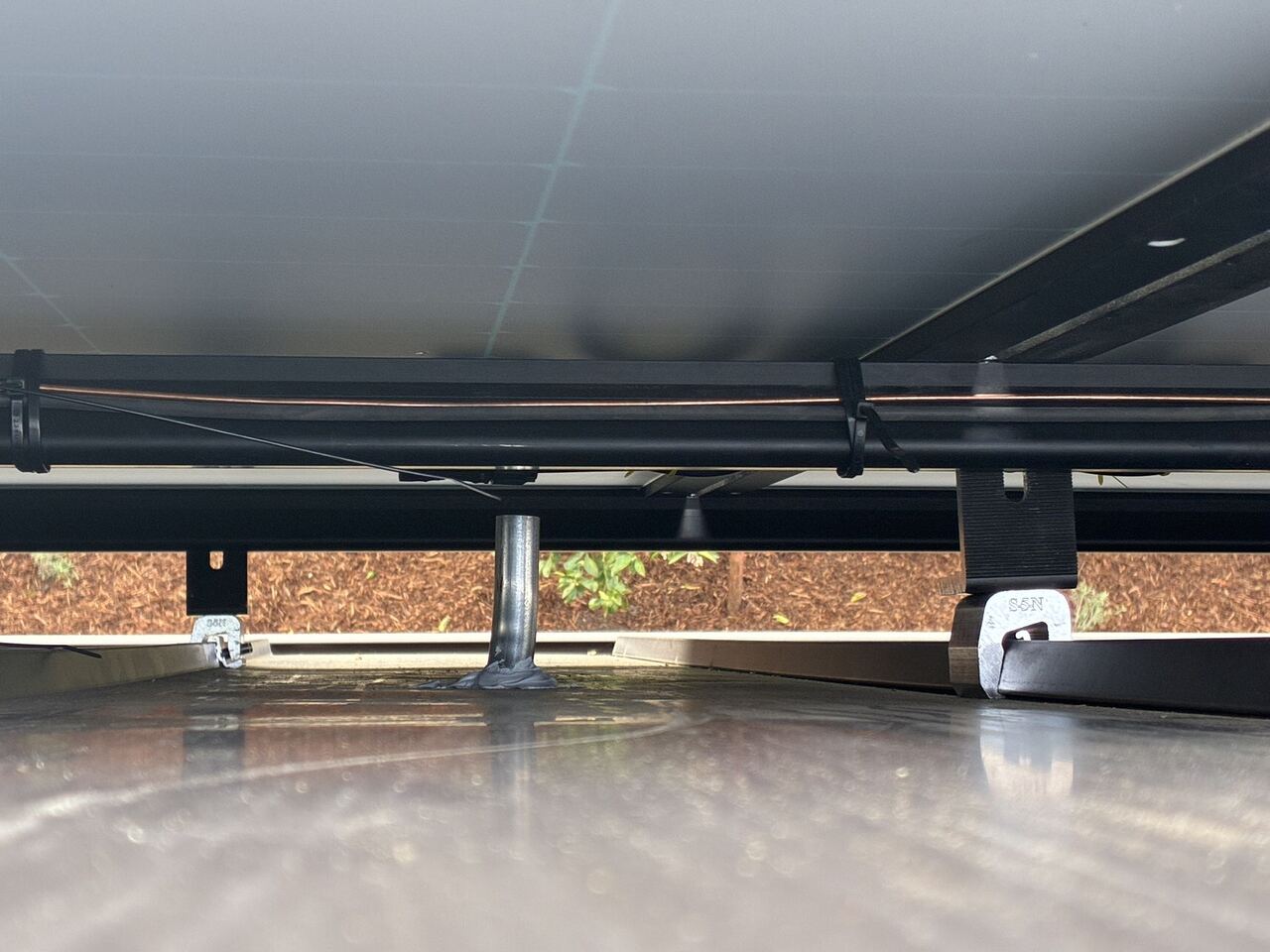
Standing seam metal is increasingly the specification here, and it is a genuine specialist installation. Panel layout has to be set out correctly across the whole roof, concealed clips must allow for thermal movement, and the flashing at ridges, valleys, penetrations and wall transitions has to be right the first time — metal telegraphs sloppy work permanently and does not forgive it. Where solar is involved we use non-penetrating seam clamps rather than drilling the panels, which preserves the roof's integrity and its warranty.
Concrete and clay tile suits the Mediterranean and Spanish architecture common through Country Club and the central neighborhoods, and delivers Class A performance with a 50-plus year life. On existing tile roofs we assess the underlayment separately from the tile — a lift-and-relay is frequently the right answer.
For fire-exposed properties, the assembly matters more than the surface material. Ember-resistant vent products, closed or properly screened eave detailing, noncombustible gutter and gutter-guard choices, and keeping valleys clear are what actually determine outcomes. We detail to that standard in the hills as a matter of course.
Where low-slope sections meet pitched roofs, we install proper membrane systems with correct transition flashing and adequate slope rather than running shingle down to a pitch it was never rated for — which is the failure we are called to fix most often on contemporary homes here.
Expected Longevity & Value
How long each lasts, roughly: metal in standing seam form 40–70 years; tile 50+, with the membrane under it renewed once, around year 25–30; designer shingle 40–50; ordinary architectural shingle 25–30; single-ply on the flat sections 20–30. Metal and tile both justify their cost on properties held long-term, and both bring fire performance that matters here beyond longevity.
Los Altos's Climate
and Your Roof
Los Altos gets more sun and less fog than the cities to the north, and its western edge borders wildland. Those two facts shape every roof we spec here.
Summer Heat & UV
Foothill summers run warmer and sunnier than the mid-Peninsula — commonly 85–95°F with high UV and limited fog moderation. Sustained heat and strong sun make ventilation and heat-stable material selection genuinely important.
Winter Rainfall
Winter delivers roughly 18–24 inches of rain, more on the higher western slopes, concentrated in atmospheric-river events. Hillside properties add runoff and drainage considerations that flat-lot homes do not face.
Wildfire Exposure & Canopy
This is the defining factor in the hills. Los Altos Hills and the western edges of Los Altos sit in wildland-urban interface where ember intrusion is the realistic threat — embers entering through vents, lodging in debris-packed valleys and gutters, or igniting combustible eave detailing. Mature canopy compounds it by supplying the debris.
Practical Implications
Specify Class A assemblies with ember-resistant vents and eave detailing, choose noncombustible gutter and guard products, keep valleys and gutters genuinely clear on a semi-annual schedule, maintain defensible space, and review ventilation for summer heat management.
Where We Work
in Los Altos
Old Los Altos
Period and orchard-era homes on smaller lots near the downtown village core.
Los Altos Hills
Separate town, one-acre minimums, steep terrain, custom architecture and genuine wildland-interface fire requirements.
Country Club
Mid-century and later homes on generous lots, much of it rebuilt or expanded, heavy on tile and premium shingle.
Highlands & Loyola Corners
Established residential with mature canopy and a mix of mid-century and newer custom builds.
North Los Altos
Post-war and mid-century homes closer to the Mountain View boundary.
Rancho / Springer
Larger-lot residential with complex custom roof geometry.
How We Handle Roofing
in Los Altos
City of Los Altos or the Town of Los Altos Hills
The two share a name and a ZIP code here and there, but not a permit counter. We confirm which one covers your parcel, then apply to the City of Los Altos Building Division or to the Town of Los Altos Hills, whose planning and building process runs separately.
Walking Every Valley
On a custom roof with many planes, we trace each valley, dormer and wall junction, look at the decking from the attic, and check whether an old shake conversion left skip-sheathing underneath. Tile and metal samples come with us so you can see them in your own light.
Pricing That Counts the Corners
Complicated geometry takes more labor, and we price it plainly rather than hiding it. The written scope covers new sheathing where it is needed and how we will treat any rot found during tear-off, so the number you agree to holds.
Long Driveways, Steep Lots
Hill properties often have a long, steep drive and little flat ground, so we work out delivery, staging and debris removal before scheduling. The fire-rated layers, vent choices and eave work are settled in the plan, not improvised on the roof.
Why Los Altos Property Owners
Choose Us
Real Standing Seam Metal Experience
Metal is a specialist install and most roofers subcontract it. Our Los Altos Hills standing seam project — including non-penetrating solar clamps and custom half-round gutters — is work we did and work we will show you.
Fire-Assembly Detailing for the Hills
A Class A label is where we begin. We add vents made to stop embers, closed or screened eaves, metal gutters and guards, and valleys left clean, because those are the places a fire gets in.
Membrane Sections Done Properly
Contemporary Los Altos homes often pair a pitched roof with flat areas over additions. We put a true membrane on the low slopes and flash the junction to suit, instead of stretching shingle onto a pitch it was never made for.
Accountable for the Long Run
A metal or tile roof is meant to last for decades, so who stands behind it matters. We are family-owned since 1952, insured, BBB A+ Accredited and licensed under CSLB #1118418, with every scope and price set down in writing.
What We Do
for Los Altos Homes & Businesses
Recent Keith Roofing
Projects