Roofing Contractor
in Walnut Creek, CA
Keith Roofing Company handles Walnut Creek re-roofs, association projects and commercial flat roofs, built for the heat on the inland side of the hills. Family-owned since 1952. BBB A+ Accredited. California Licensed #1118418.
Walnut Creek's Trusted
Roofing Contractor
Cross the hills from Oakland into Walnut Creek and the weather changes for your roof. The bay no longer cools things down, so summer days climb into the mid-90s and beyond, the sun is strong and the dry season runs long. Roofs here wear out mostly from heat, not from the moss and salt that trouble towns on the water.
Most homes date from the 1960s to the 1990s, a lot of them in subdivisions finished in concrete tile. Rossmoor, the large retirement community on the west side of town, has its own association rules and many low- and mixed-slope roofs. Downtown is a busy commercial district, and the neighborhoods that run up toward Mount Diablo and the open space carry real wildfire exposure.
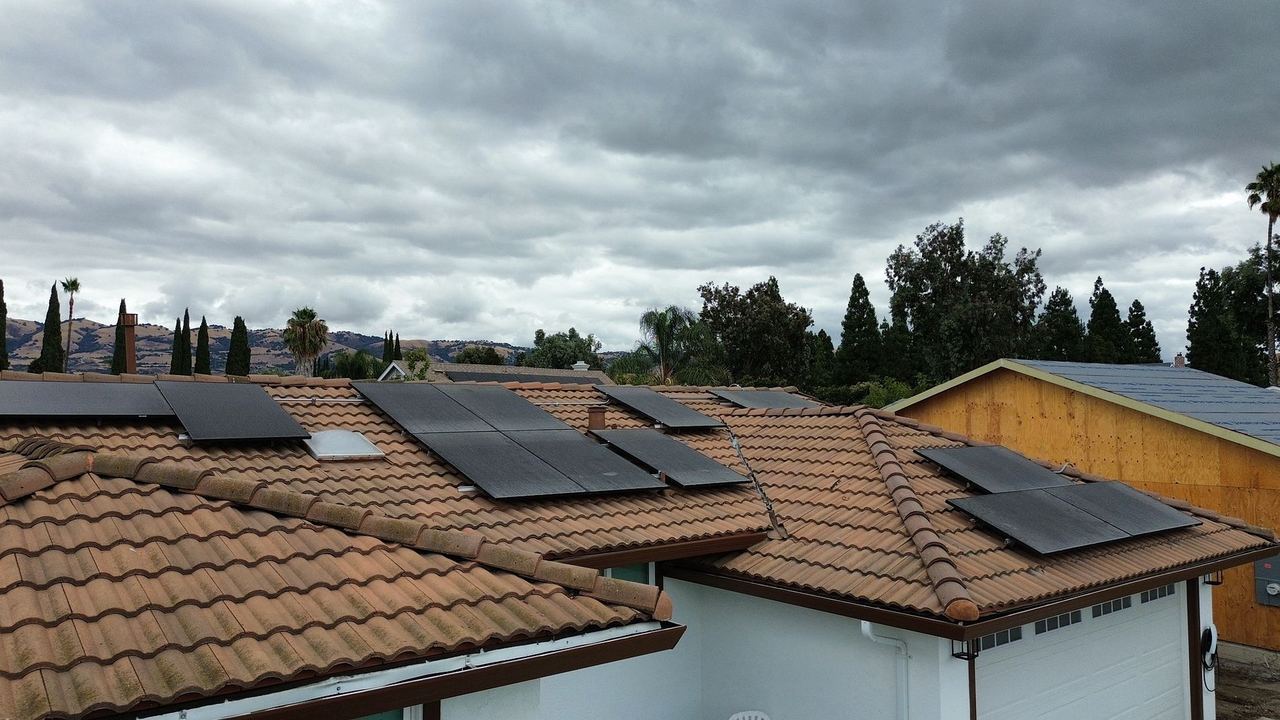
What this means for you: In Walnut Creek, three things keep a re-roof on track: underlayment rated for heat under tile, attic venting that actually works, and an association approval that is planned for rather than discovered. Getting those right is most of the job.
What We See on
Walnut Creek Roofs
Heat, association rules and fire season shape most Walnut Creek roof projects.
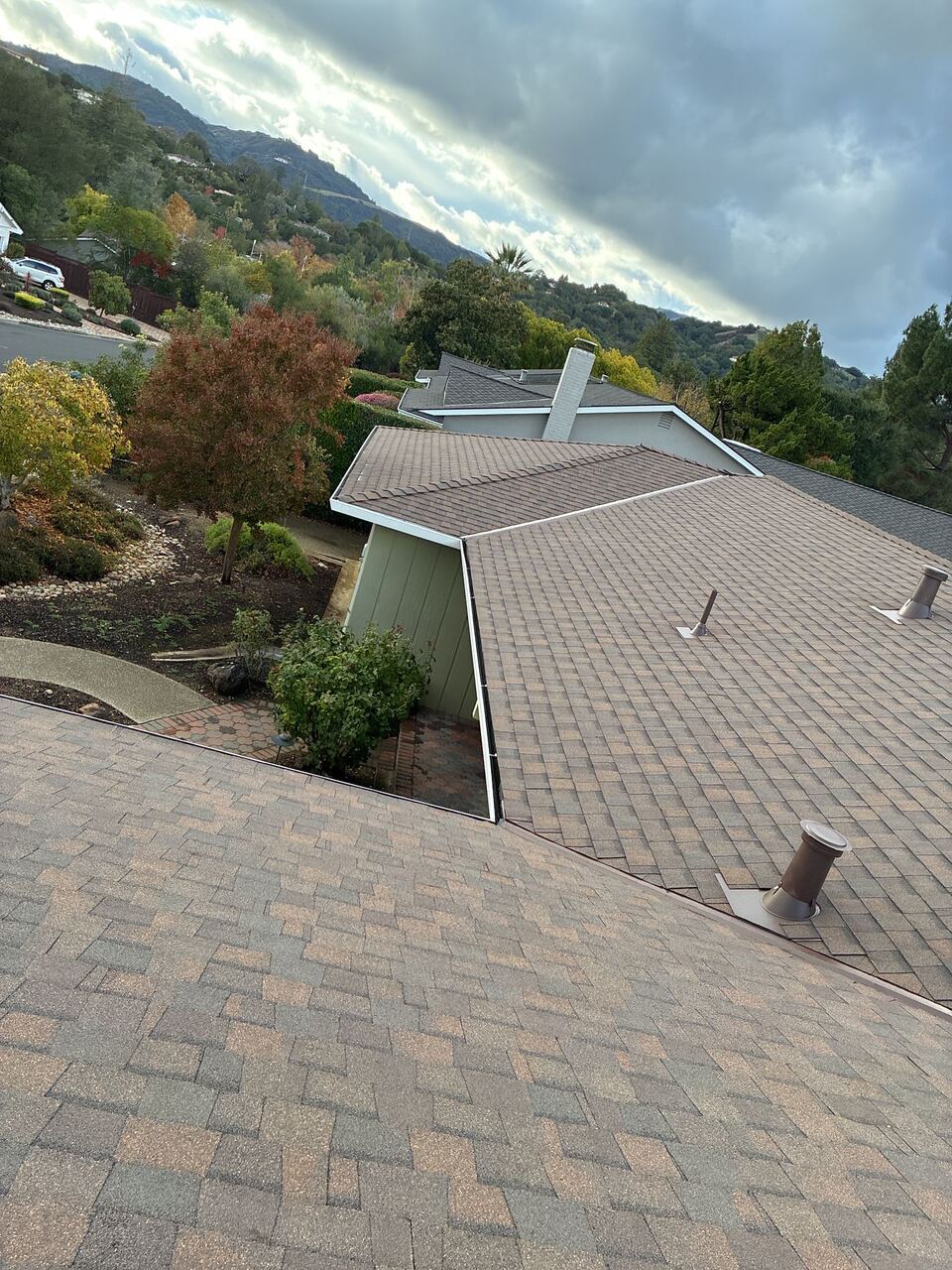
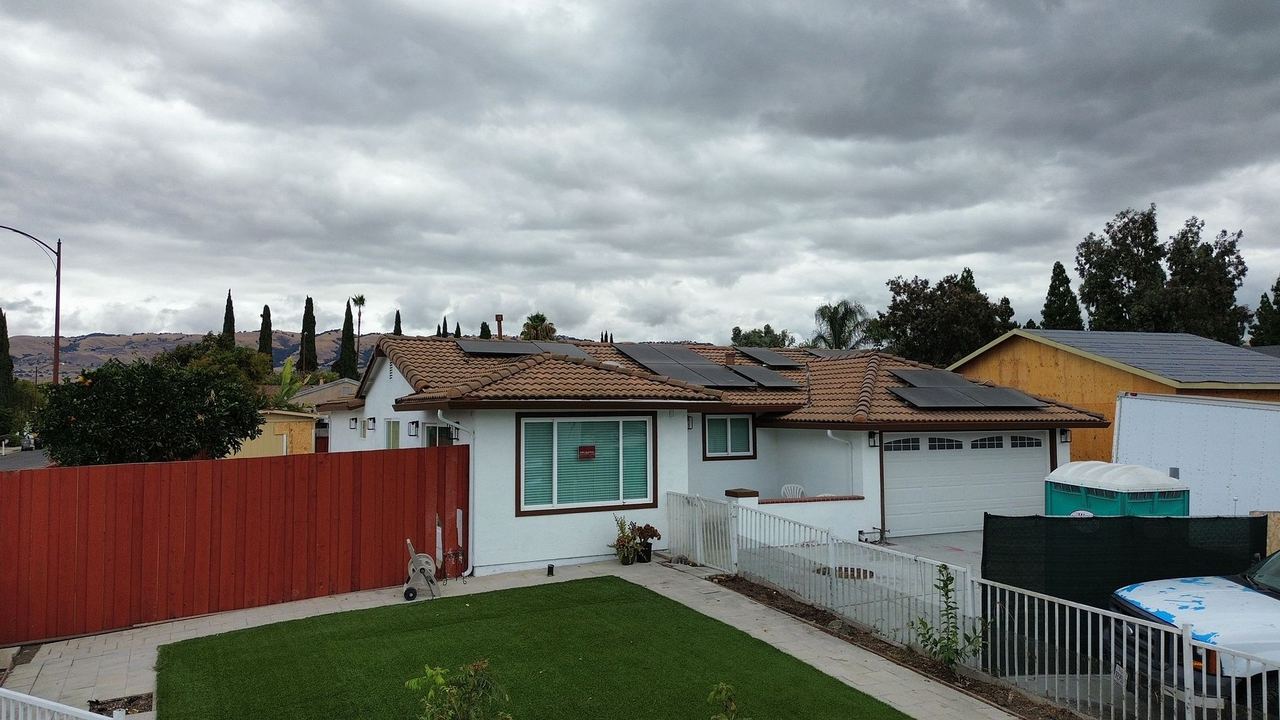
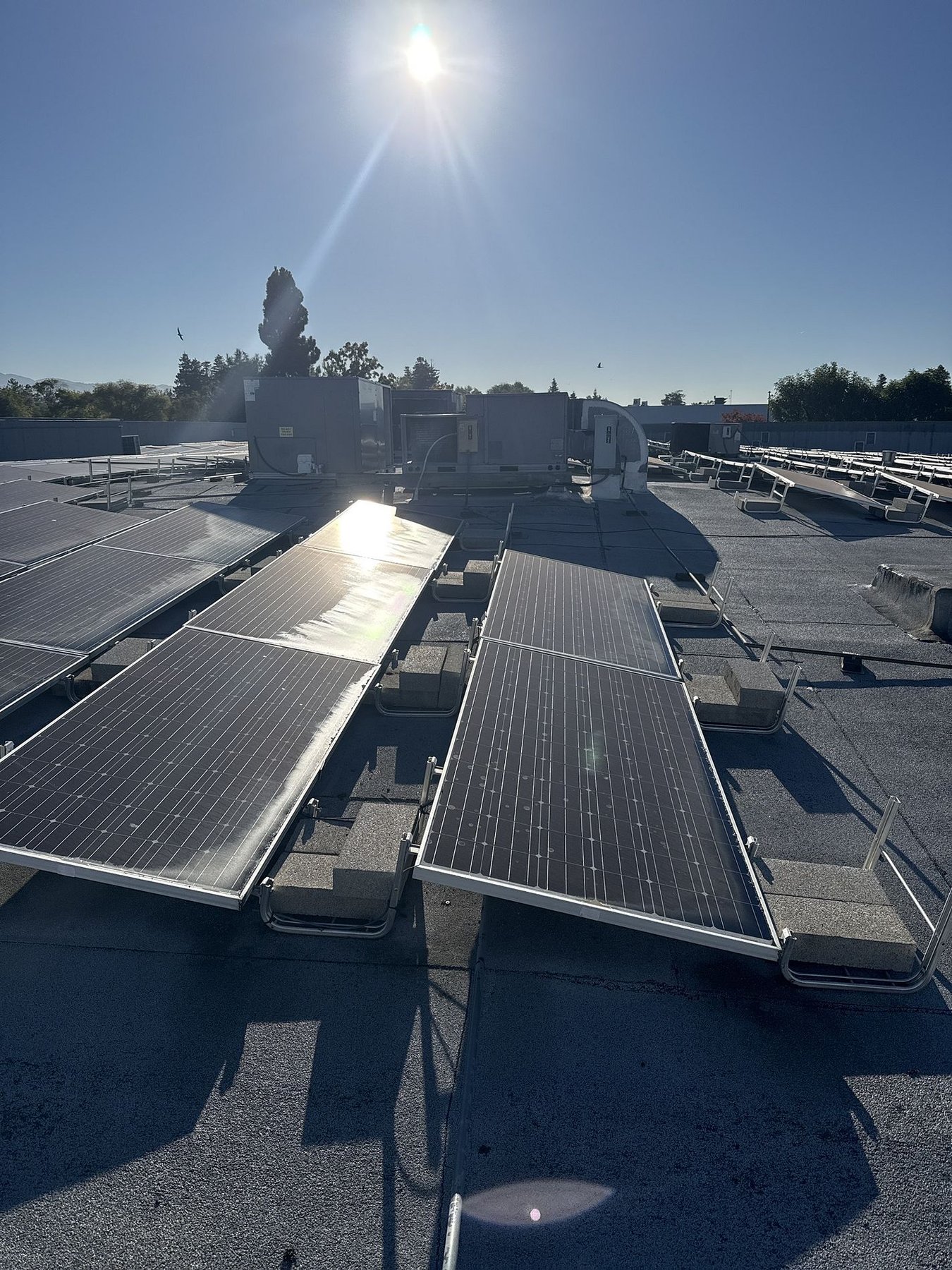
Subdivisions from the 1970s on are full of concrete tile, and many of those roofs are now due for new underlayment. The remaining homes are mostly architectural shingle. Rossmoor and other planned communities add a large amount of low- and mixed-slope roofing that needs association sign-off. Downtown and along Ygnacio Valley Road, commercial buildings carry single-ply, modified bitumen and coated roofs.
Inland Heat Aging Roofs Early
With no bay breeze to cool things, Walnut Creek roof surfaces stay above 150°F for long summer stretches. Standard materials age faster than on the bay side, and attic venting makes a big difference to how long shingles last.
Tile Underlayment Cooked Ahead of Schedule
Ordinary felt under concrete tile wears out sooner in steady inland heat. A high-temperature underlayment is the better choice here, and many 1980s and 1990s homes did not get one when they were built.
HOA and Association Approval Requirements
Rossmoor and many other Walnut Creek communities must approve roof material, shape and color. Those reviews take time, and that time needs to be in the schedule from the start.
Wildland Interface Toward Mount Diablo
Homes along the east and north edges of town back onto open space with heavy dry brush. Ember-resistant roof details are the right starting point for those lots.
Inland-Heat Specifications and HOA-Ready Project Management
Why This Works Here
A good Walnut Creek roof project comes down to two things: building for real inland heat, and handling association approvals well. The first decides whether the roof lasts as long as it should. The second decides whether the job runs on schedule or sits idle for weeks waiting on a board meeting no one planned around.
Technical Installation Approach
Under tile, a high-temperature underlayment is our standard here. Long inland heat wears out ordinary felt faster than its rating suggests, and because the underlayment is the waterproof layer on a tile roof, it sets the timetable for repairs. On an existing tile roof, a lift-and-relay is usually right: the tile is fine and the felt is done.
On shingle homes, we fix the attic airflow first, balancing intake and exhaust to what the shingle maker requires. A stuffy attic under a Walnut Creek summer sun cooks shingles from below whatever their grade, and correcting it is about the least expensive way to add years to the roof.
For association properties, we bring real samples instead of printed color cards, supply the manufacturer paperwork boards usually ask for, and schedule around the approval calendar. On projects that span several buildings, we work from a written scope with photo updates and bill each building separately, which is what property managers need.
On lots near the open space toward Mount Diablo, every roof starts as a Class A assembly with ember-resistant vents, closed eaves and noncombustible gutters.
Expected Longevity & Value
Typical life spans in Walnut Creek: concrete tile 50 years or more, with high-temp underlayment relaid at about 25 to 30; architectural shingle about 23 to 28, shorter than near the coast and very dependent on venting; designer shingle 35 to 45; single-ply 20 to 30; a coating over a sound roof about 10 to 15 more years.
Walnut Creek's Climate
and Your Roof
Inland heat, a long dry season and cool wet winters are what Walnut Creek weather means for a roof.
Summer Heat & UV
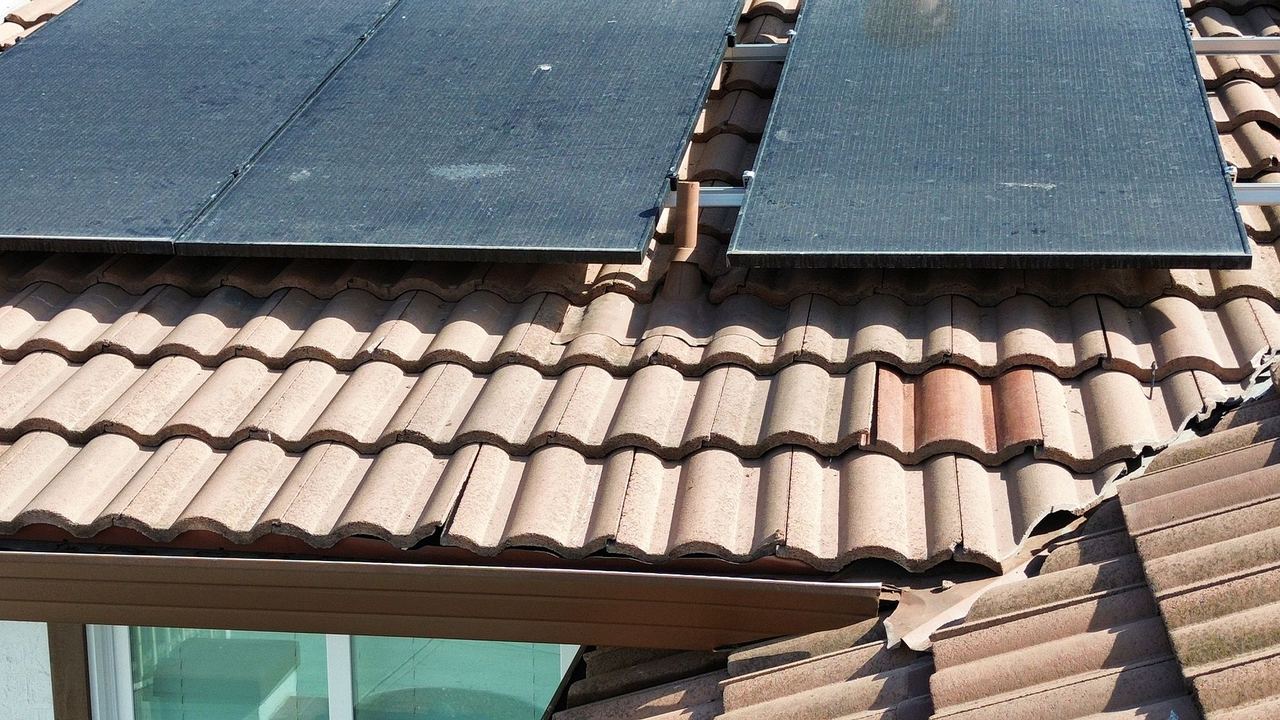
This is the main factor. Without the bay to cool things down, summers regularly go past 95°F, sometimes over 100°F, under strong sun. Roof surfaces pass 150°F and a poorly vented attic gets hotter still. Most of our material choices here follow from that.
Winter Rainfall
Winter usually brings 20 to 24 inches of rain, much of it in a few heavy storms. Homes near the open space also catch runoff from the hills around Mount Diablo, so gutters there should be sized generously.
Wildfire Exposure & Long Dry Season
The long dry season leaves the open space around Mount Diablo and the nearby ridges covered in dry fuel. Homes along the east and north edges border that wildland, and the risks for a roof are embers entering vents and dry debris catching in valleys and gutters.
Practical Implications
For Walnut Creek: high-temp underlayment beneath tile, attic venting as part of the job, lighter and more reflective roofing where the association allows it, clean valleys and gutters through fire season, and ember-resistant details on lots near the open space.
Where We Work
in Walnut Creek
Rossmoor
Large planned community with extensive low-slope and mixed-slope roofing and formal association approval requirements.
Northgate
Established residential climbing toward Mount Diablo with wildland-interface fire exposure.
Downtown Walnut Creek
Dense commercial core with low-slope single-ply, modified bitumen and coating work.
Ygnacio Valley
1960s–90s subdivision housing, heavy on concrete tile now reaching underlayment life.
Saranap & Parkmead
Established residential neighborhoods with a mix of shingle and tile.
Shadelands & Business Park
Commercial and office buildings with substantial low-slope roof area.
How We Handle Roofing
in Walnut Creek
Walnut Creek Permit Path
For homes inside the city, we pull the re-roof permit from the City of Walnut Creek Building Division and schedule inspections. Nearby unincorporated pockets such as Saranap are permitted by Contra Costa County instead, so we confirm which office your address belongs to first.
Roof, Attic and Approvals Checked
We check the roof and the attic, lift a few tiles to look at the felt, and find out early whether an association has to approve the new roof. You will see real samples, which is also what most boards want to review.
One Price for Owner and Board
You get a written scope and a fixed price, with venting included and a set rate for any damaged decking, so the board and the owner are both looking at the same numbers.
Board Approval Run Alongside
When an association needs to sign off on material, shape and color, we provide the samples and product sheets and run the approval while we schedule the job, so it does not turn into a surprise delay halfway through.
Why Walnut Creek Property Owners
Choose Us
We Specify for Real Inland Heat
We use heat-rated underlayment under tile and size venting to manufacturer requirements. A specification that is fine in Oakland falls short in Walnut Creek, and the gap shows up as lost years of roof life.
HOA and Association Projects Handled Properly
We bring real samples and product paperwork, build board timelines into the schedule, and on multi-building jobs provide a written scope, photo updates and separate billing for each building.
Tile Relay Rather Than Needless Replacement
When a Walnut Creek tile roof leaks, the tile is usually fine and the felt under it has baked out. We check each layer and recommend a relay when that is the honest fix.
A Company That Stays Put
Family-owned since 1952, licensed under CSLB #1118418, fully insured and BBB A+ accredited. If your association calls about the roof years from now, the same company will pick up the phone.
What We Do
for Walnut Creek Homes & Businesses
Recent Keith Roofing
Projects