Roofing Contractor
in Hayward, CA
Keith Roofing Company works across Hayward, from distribution roofs on the industrial flats to post-war homes in Tennyson and hillside houses near Cal State East Bay. Family-owned since 1952. BBB A+ Accredited. California Licensed #1118418.
Hayward's Trusted
Roofing Contractor
Drive east across Hayward from the shoreline to the hills and the roofs change several times along the way. Out on the western flats you find warehouses and distribution buildings with huge flat roofs, salty air and drainage headaches. The middle of town is closely packed post-war and mid-century housing around the downtown core. Hayward Hills, up past the university, has steeper lots, larger houses, big trees and real fire exposure.
The city also gave its name to the Hayward Fault, which runs right through it along the base of the hills and under downtown. Its creep is well known and you can see it in bent curbs and cracked foundations along the trace. On a roof, that slow movement pulls flashing joints open, cracks tile and brings leaks back after they were fixed.
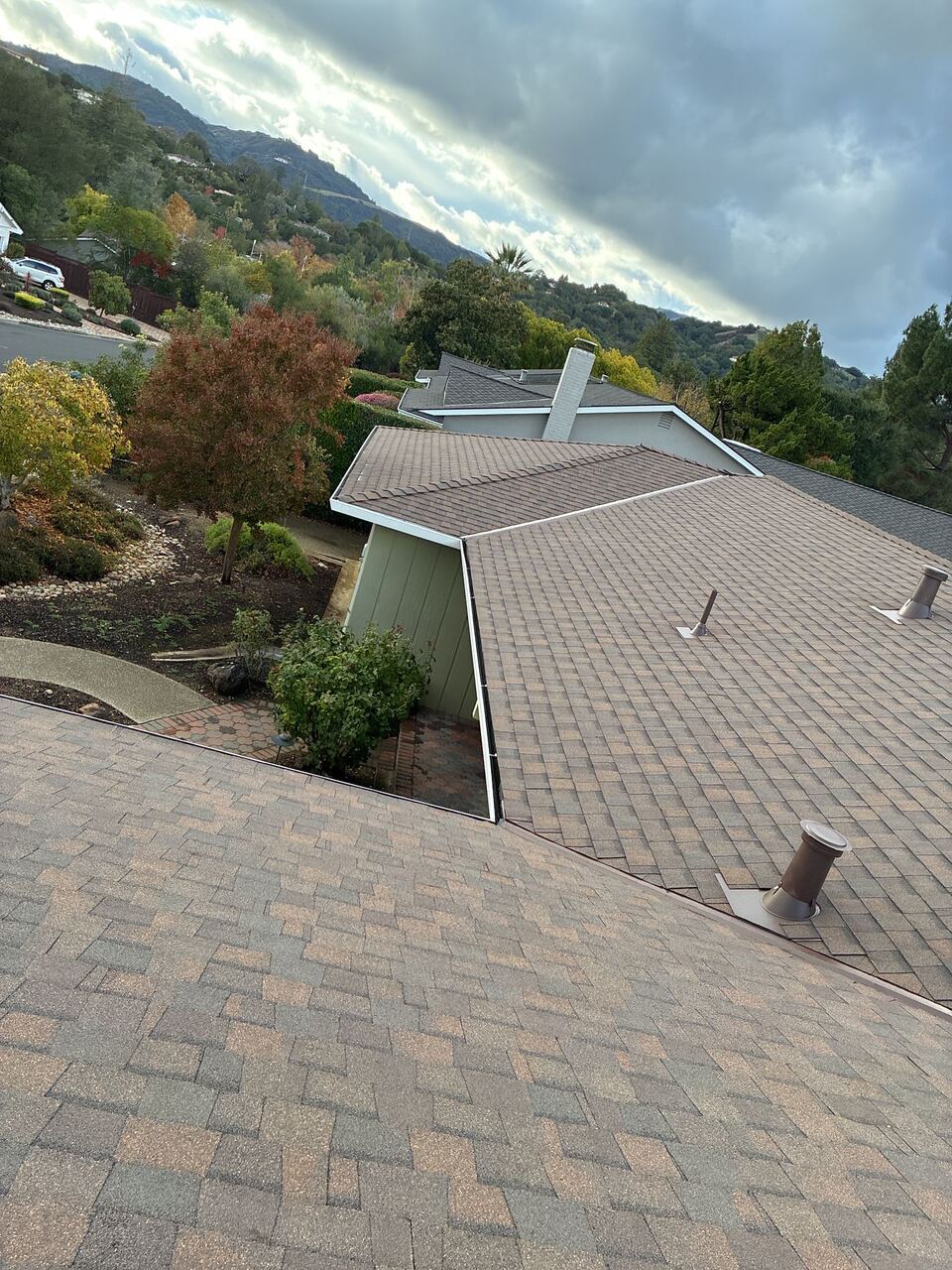
What this means for you: The right roof for a Hayward Hills home would be the wrong one for a warehouse on the flats, and the reverse is just as true. A useful estimate begins by placing your building on that map, with the fault in mind wherever it runs close.
What We See on
Hayward Roofs
From the shoreline to the hills, Hayward roofs run into a handful of recurring problems.
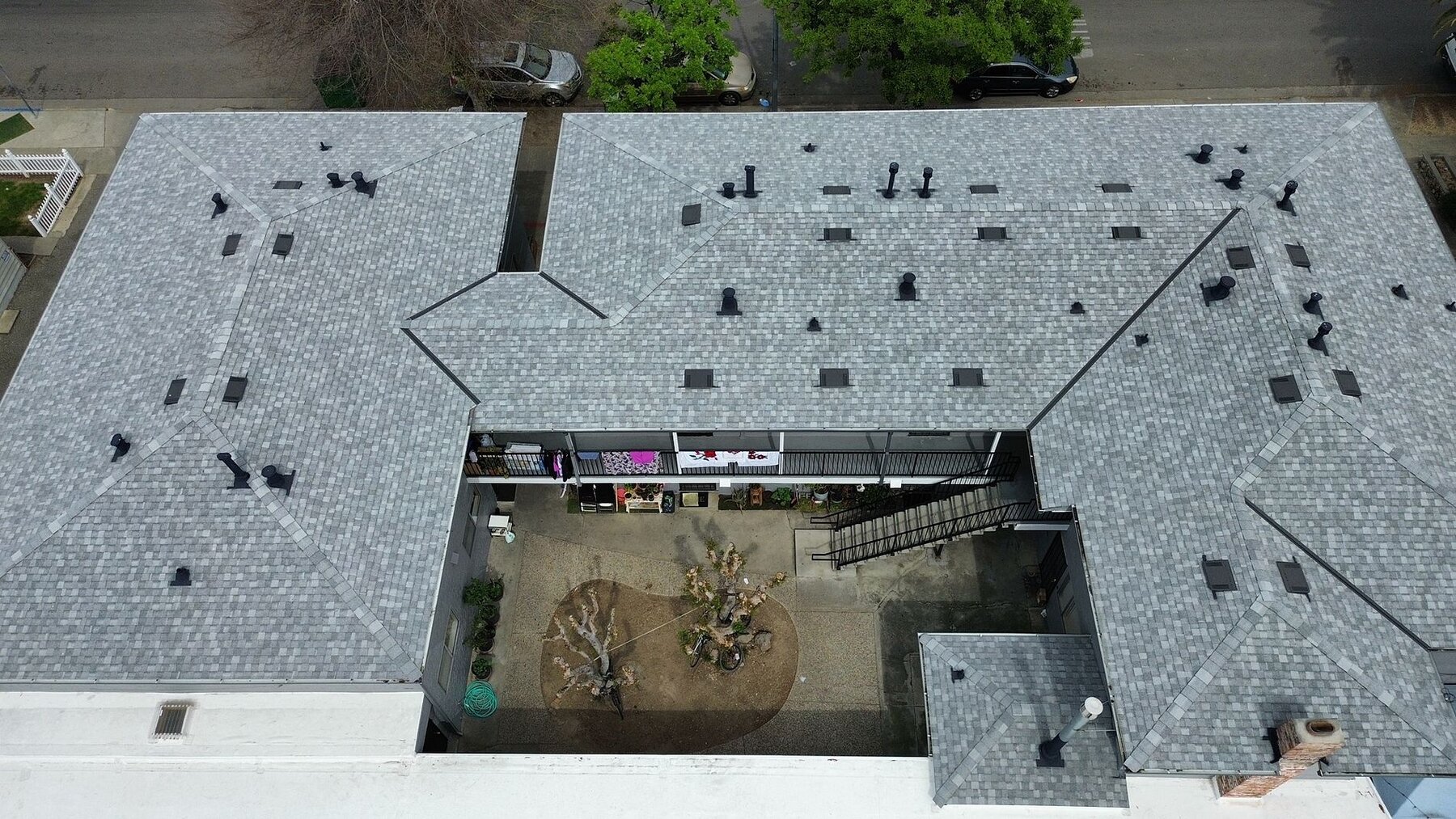
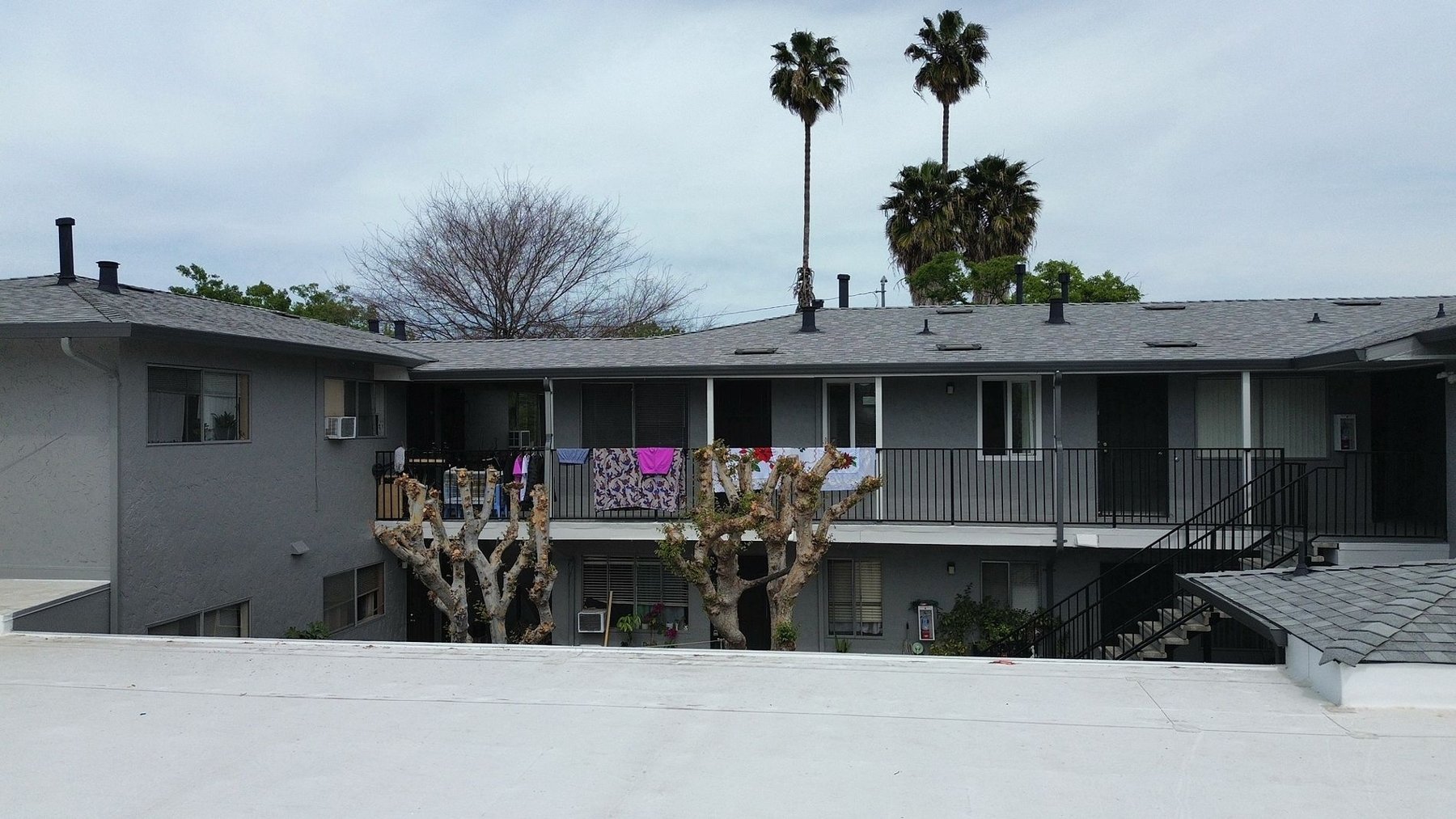
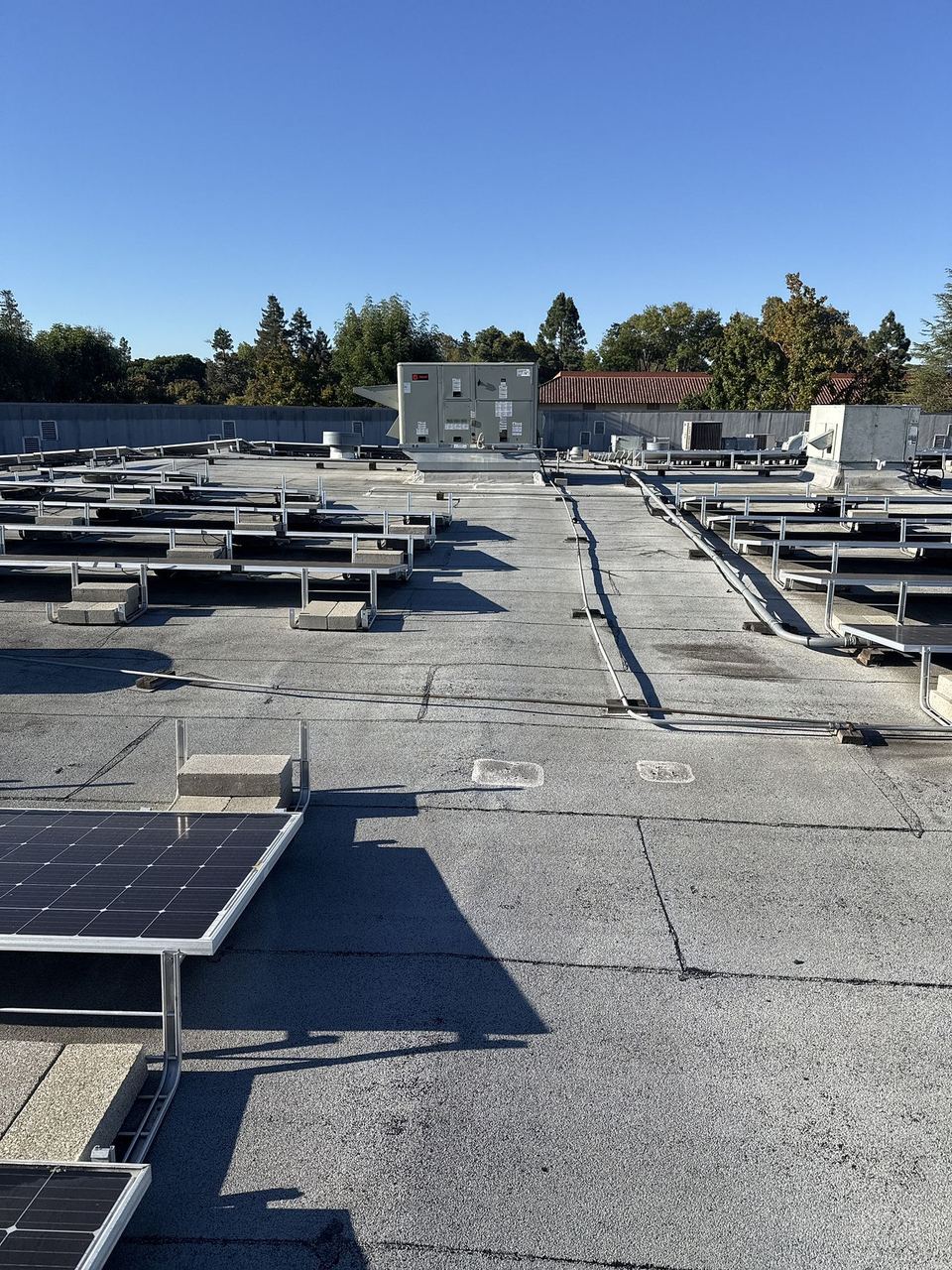
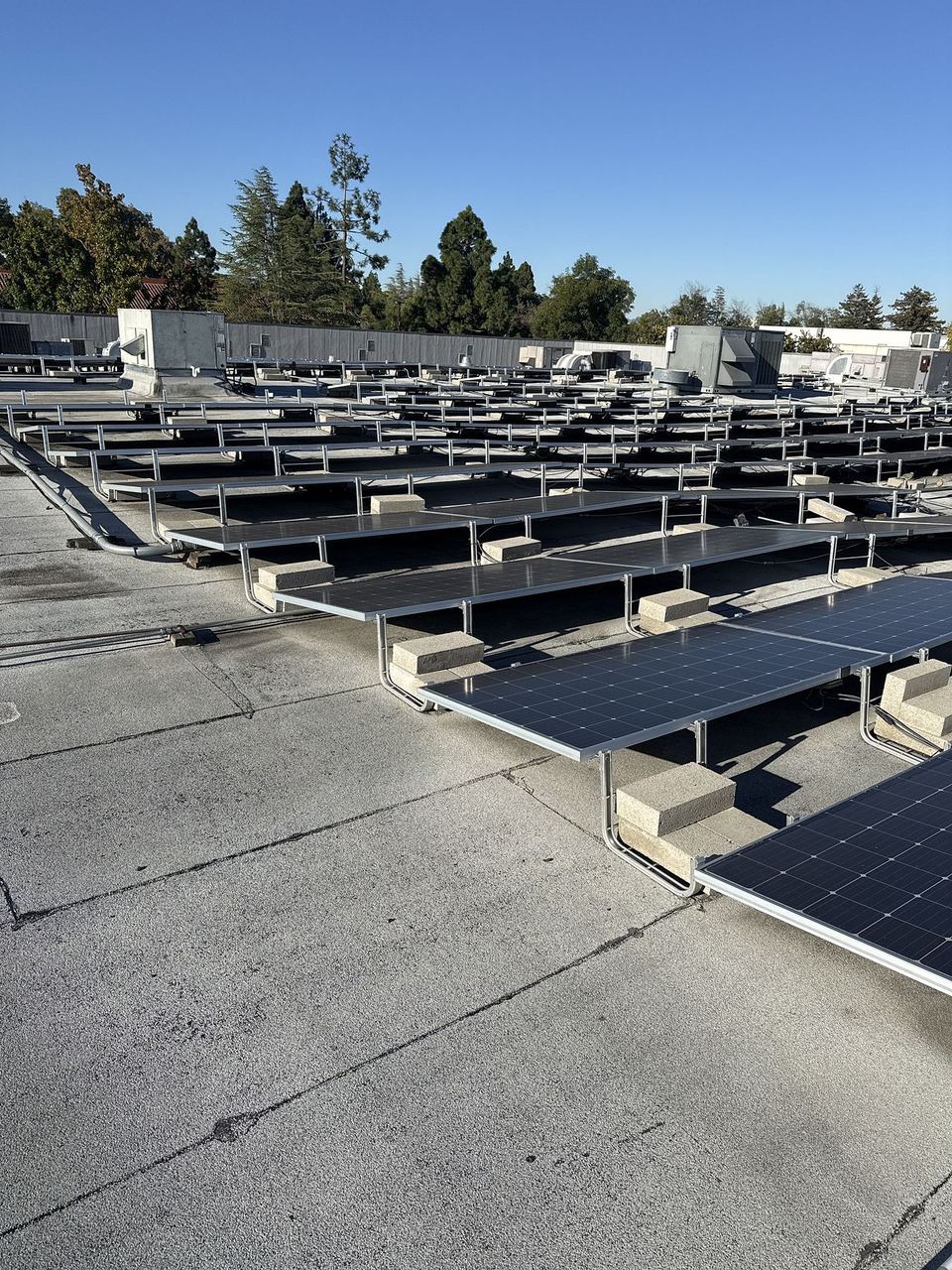
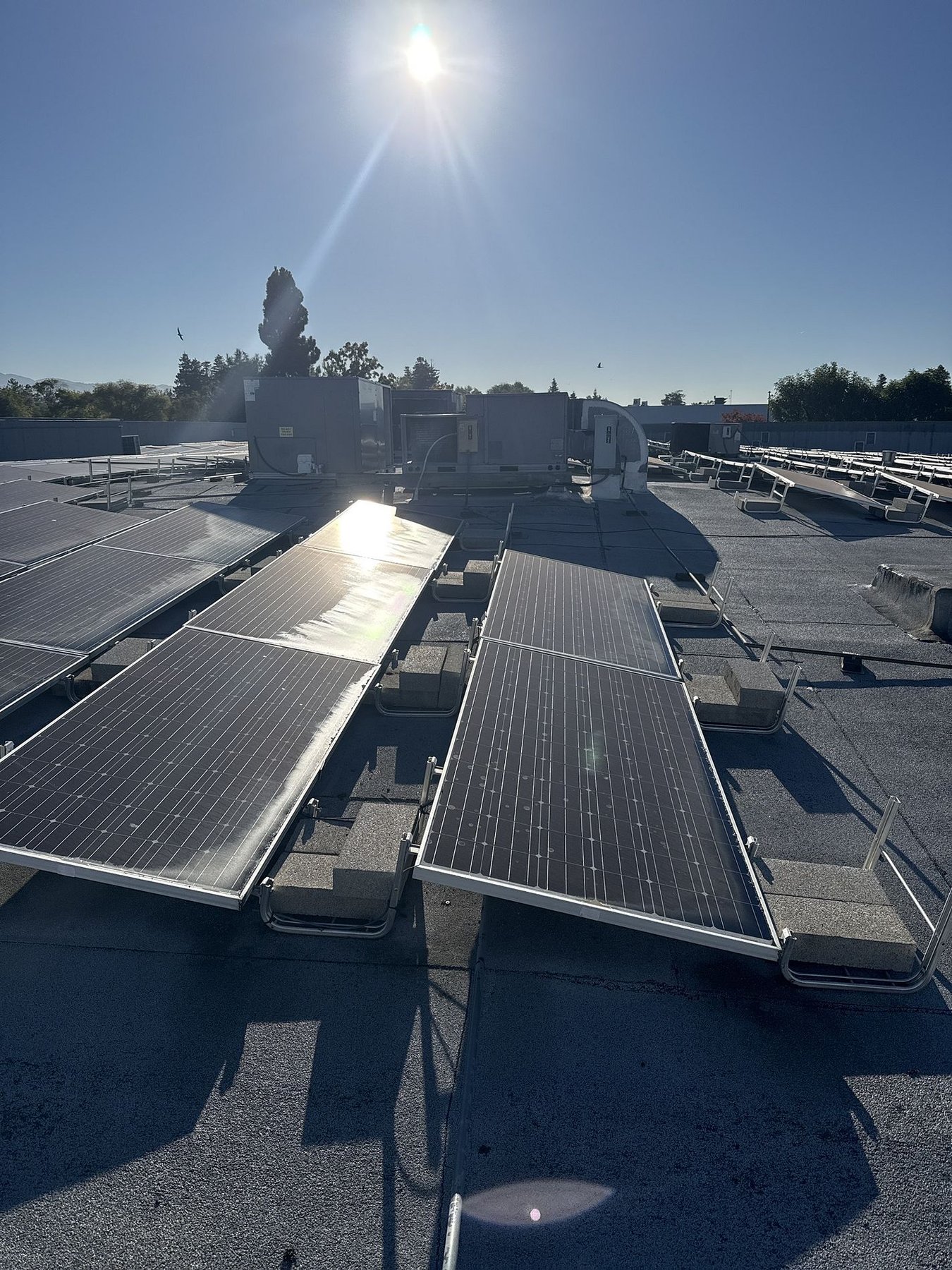
Through the middle of the city, most homes have architectural shingle, while newer houses and many in the hills have concrete tile. Hillside owners also choose premium tile, standing seam metal and fire-rated assemblies. The western flats hold a remarkable amount of single-ply, modified bitumen and coated roofing on warehouses and plants, and solar panels now cover many of those roofs.
Fault Creep Along the Hill Base
The fault keeps moving a little at a time. Near the trace, that shows up as cracked tile, flashing seams that open again, roof-to-wall joints that separate, and repeat leaks that really point to the building, not the roofing.
Wind Exposure Through the Hayward Gap
Hayward is windier than a lot of the East Bay. Rain blown sideways finds weak flashing and lifted shingle tabs that straight-down rain would miss, so how shingles are nailed and how edges are finished matters more here.
Ponding on Very Large Industrial Roofs
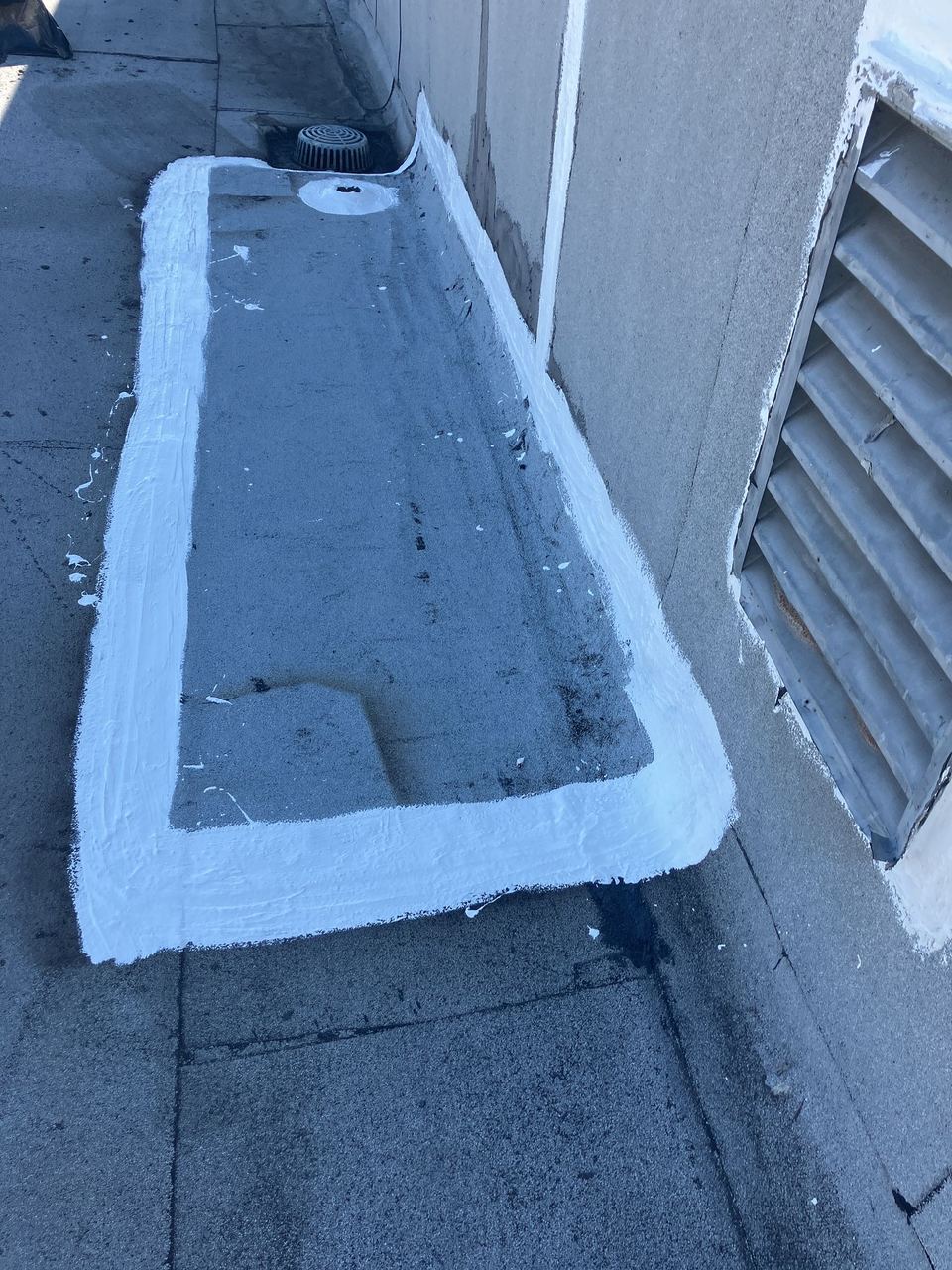
Warehouses and plants on the flats have enormous roofs with very little slope. Clogged drains and low spots left by equipment hold standing water, and standing water is what wears these membranes out first.
Hillside Fire Exposure Above the Campus
Homes up in Hayward Hills sit next to open land under big trees that drop a lot of dry fuel. In fire season, embers drawn into vents and leaves catching in valleys are the dangers to plan for.
Three Hayward Markets: Industrial Flats, Central City and the Hills
Why This Works Here
One specification cannot cover Hayward. Salt air and very large flat roofs are the story on the west side. Rows of similar post-war houses fill the middle. The hills bring fire risk, heavy tree cover and complicated rooflines. The fault cuts through all three.
Technical Installation Approach
On the industrial flats we install TPO or PVC single-ply, modified bitumen, or a silicone coating over an existing roof. On buildings this big, getting water off the roof is the main job: clearing and rebuilding drains and scuppers, and adding tapered insulation to create slope where the deck has sagged. We test the insulation for moisture before suggesting any coating, since coating over wet insulation locks the problem in. A reflective membrane also pays off on these large buildings, both for Title 24 energy rules and for cooling costs.
In central Hayward we put on architectural shingle with algae-resistant granules, new flashing throughout and a check of the attic venting. Because of the wind, we pay close attention to fastening and edges: six nails per shingle, a properly secured starter row and solid rake and eave edges instead of the bare minimum.
In Hayward Hills the base is a Class A assembly with ember-resistant vents, well-built eaves and gutters that will not burn. Tile and standing seam metal both do well and suit the homes. Narrow, steep streets mean staging and access have to be planned carefully.
Close to the fault trace, we design joints to flex with movement rather than resist it, and we tell owners directly when a repeat leak points to the structure.
Expected Longevity & Value
What Hayward roofs typically give you: architectural shingle 25 to 30 years; concrete tile 50 or more, with the underlayment relaid at about 25 to 30; standing seam metal 40 to 70; TPO and PVC 20 to 30; a silicone coating over a sound roof about 10 to 15 more. Better edge work pays off in the wind, and on the flats, salt cuts the life of standard metal parts.
Hayward's Climate
and Your Roof
Wind, bay air, winter storms and dry hills all play a part in how Hayward roofs age.
Summer Heat & UV
Summers on the flats are usually 75 to 85°F thanks to the bay, and warmer up in the hills. Clear days bring strong sun, and the big flat roofs on the west side absorb a lot of heat, a good reason to choose reflective membranes there.
Winter Rainfall
A normal winter brings about 18 to 22 inches of rain, usually in runs of storms that come with strong wind. On the industrial flats, drains have to be big enough and clear, given how much roof is feeding them.
Wind, Salt & Hillside Fire
Hayward gets more steady wind than most nearby cities, and wind-blown rain gets under weak flashing and lifted edges that ordinary rain would leave alone. On the west side, bay air rusts metal early. In the hills, heavy tree cover adds fuel in fire season.
Practical Implications
For Hayward that means: nail and finish edges for the wind, use rust-resistant metal on the flats, build ember-resistant details in the hills, keep big commercial drains clear, and near the fault, ask whether a repeat leak is structural before patching it again.
Where We Work
in Hayward
Hayward Hills
Steeper lots, larger homes, mature canopy and genuine wildland-interface fire exposure.
Downtown Hayward
Older residential and small-commercial buildings, sitting close to the fault trace.
Industrial Flats & Bayfront
Warehouse, distribution and manufacturing buildings with very large low-slope roof areas.
Jackson Triangle & Tennyson
Dense post-war and mid-century residential, mostly shingle re-roof work.
Fairway Park & Mt. Eden
Established tract housing on the southern side of the city.
Cal State East Bay Area
Hillside residential with canopy, access constraints and fire considerations.
How We Handle Roofing
in Hayward
Hayward Permit Path
In Hayward, permits come from the City's Building Division, part of Development Services, through the Permit Center at City Hall on B Street or the city's online e-Permits portal. We handle the filing and inspections. Some edges of town are unincorporated Alameda County, so we confirm which office your parcel answers to first.
Inspection Before Pricing
We check the roof, the attic, the gutters and, on homes near the fault, the joints where roof meets wall. On commercial roofs we walk the drains and seams. Samples come with us so you can compare them in person.
A Set Price on Paper
You receive a written scope and a set price before any work starts, including our rate for replacing damaged decking if we find it under the old roof.
Hill Streets and Busy Sites
On hillside streets we plan delivery and the bin around tight turns and parked cars; at commercial sites we plan around business hours. We photograph key details before covering them and sweep for nails before we leave.
Why Hayward Property Owners
Choose Us
Genuine Large-Area Industrial Capability
Some of the East Bay's biggest roofs sit on Hayward's western flats. We plan drainage first, test for wet insulation before any coating, and seal carefully around crowded solar and mechanical equipment.
Wind-Appropriate Edge Detailing
Minimum nailing does not hold up in Hayward's wind. We fasten and finish rakes, eaves and starter rows so they stay put when storms blow rain sideways.
Fault-Aware and Honest About It
The fault runs right under the city. If a repeat leak is coming from building movement, we will tell you instead of selling you the same repair again.
Accountable Since 1952
Founded in 1952 and still family-owned, licensed under CSLB #1118418, fully insured and BBB A+ accredited. The company that installs your roof is the company you reach if you have a question later.
What We Do
for Hayward Homes & Businesses
Recent Keith Roofing
Projects