Roofing Contractor
in Gilroy, CA
Keith Roofing Company makes the drive down to Gilroy for tile relays, shingle re-roofs, foothill homes and the food-processing and farm buildings that keep the town running. Family-owned since 1952. BBB A+ Accredited. California Licensed #1118418.
Gilroy's Trusted
Roofing Contractor
Of everywhere we work, Gilroy is where the sun is hardest on a roof. Summer highs pass 95°F as a matter of course and regularly hit 100, the light is intense, and the fog that cools the bay towns rarely reaches this far south. Roofing simply ages faster here, and a specification that is perfectly adequate in Palo Alto is borderline in Gilroy.
The houses cover a wide span: older homes near downtown and Monterey Street, a lot of 1990s to 2010s subdivisions on the west and north sides, and Eagle Ridge and other foothill lots with custom homes and wildland at the back fence. Add the farms, food processors and distribution buildings, and our Gilroy work ranges from relaying tile on a tract house to putting membrane on a warehouse.
What this means for you: In Gilroy the heat decides most of the details. Heat-rated underlayment under tile, enough attic venting and materials that tolerate high temperatures are not upsells here. They decide whether your roof lasts as long as the label says or wears out years early.
What We See on
Gilroy Roofs
Sun, a long dry season and a big generation of tile roofs reaching middle age explain most of what we find on Gilroy roofs.
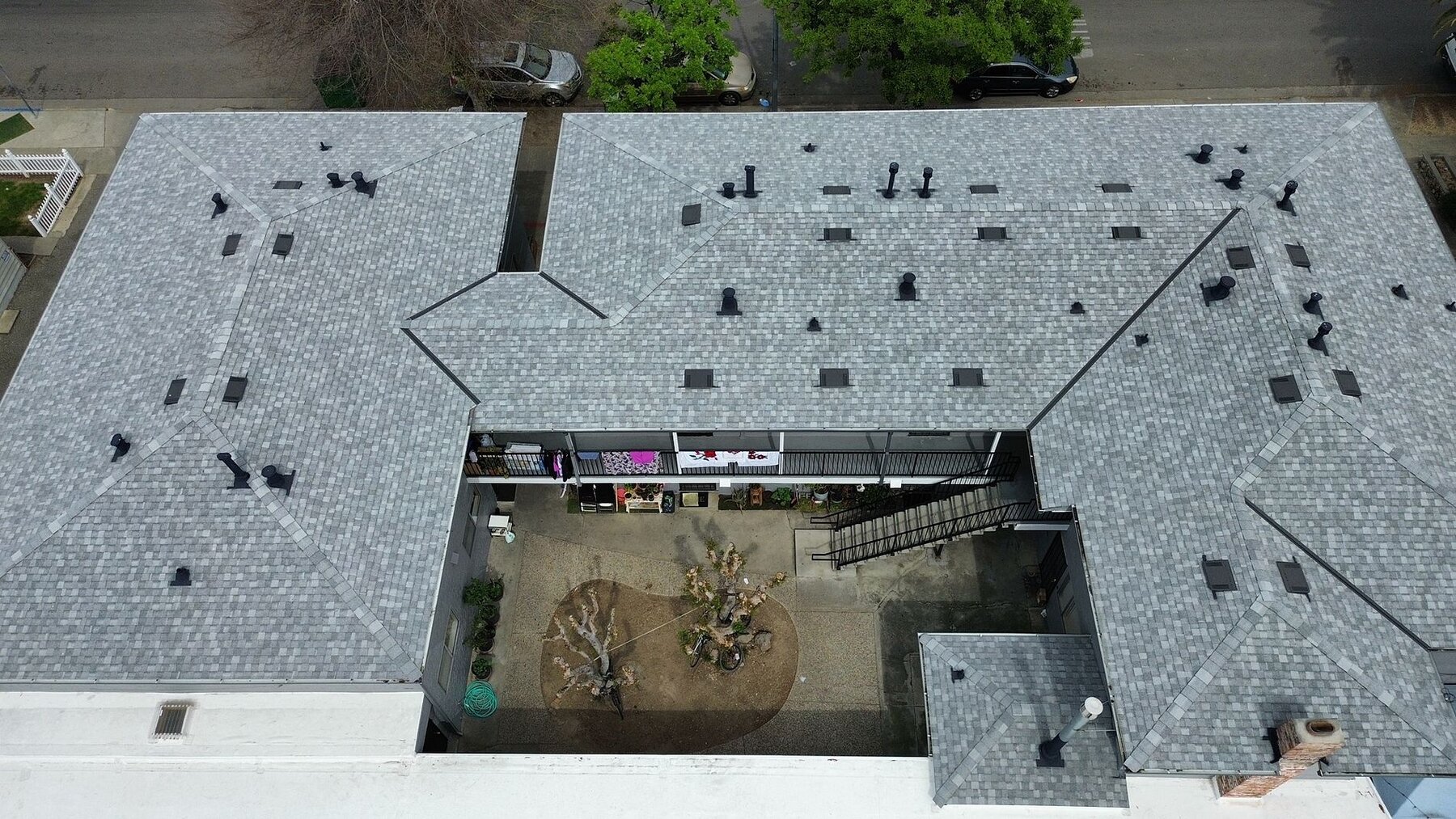
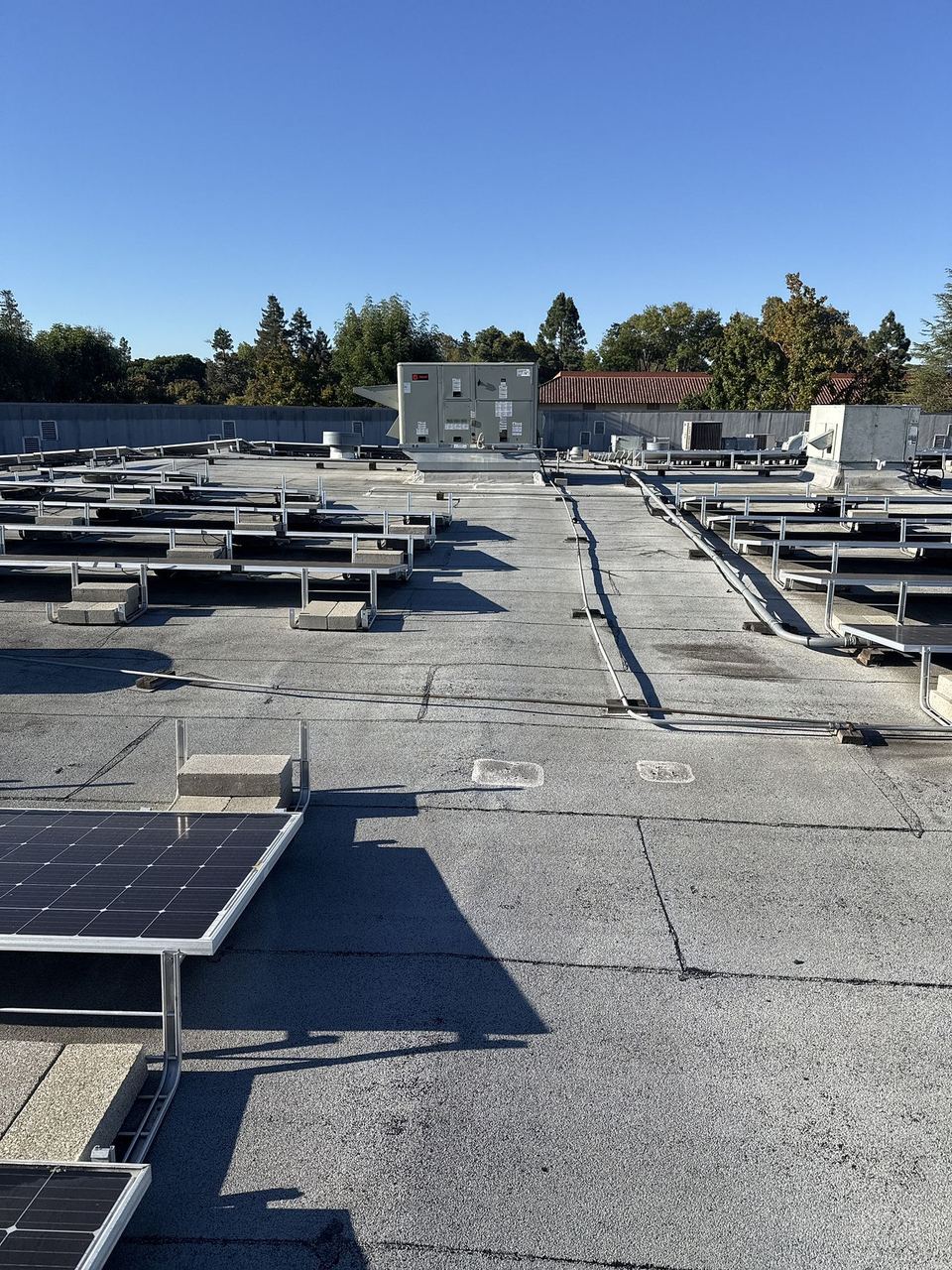
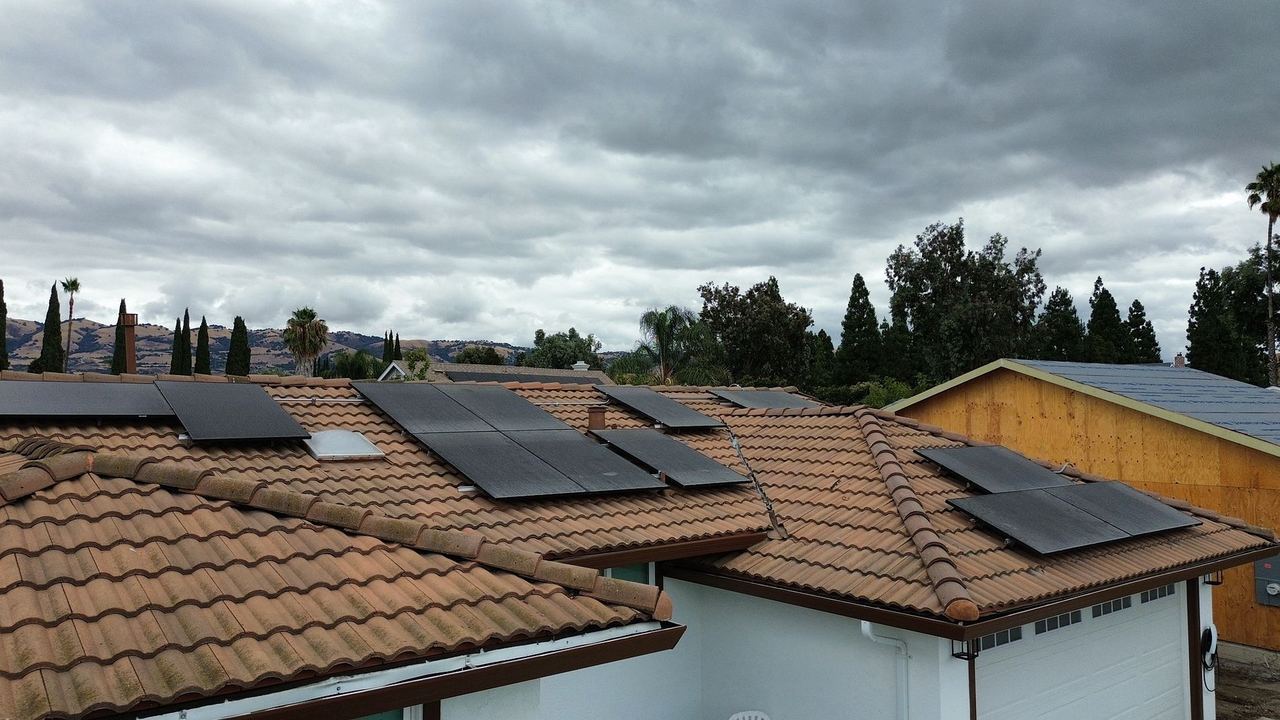
Most subdivision homes from the 1990s on have concrete tile, and many are at the age where the underlayment needs replacing. Downtown's older houses and a lot of newer ones have architectural shingle. On Eagle Ridge and other foothill lots you will see premium tile, standing seam metal and fire-rated assemblies. The food plants, farm buildings and distribution centers add big flat and metal roofs, often loaded with rooftop equipment.
Heat-Accelerated Material Aging
Months of heat and strong sun shorten the real-world life of standard materials. Roof surfaces regularly pass 150°F, and a shingle that would go 30 years near the bay often gives you a few years less here.
Standard Underlayment Failing Early Under Tile
Ordinary felt under concrete tile bakes and fails early in Gilroy heat. A high-temperature underlayment is the better choice here, and on many older tract roofs it is not what the builder used.
Under-Ventilated Attics Cooking Roofs from Below
Lots of tract homes have less attic venting than shingle makers now call for. In Gilroy's heat that shortens shingle life noticeably and can put the warranty at risk. Fixing it is one of the least expensive upgrades you can make.
Wildland Exposure on the Foothills
Eagle Ridge and the foothill lots on both sides of the valley are true fire country. Embers pulled into vents and dry debris catching in valleys and gutters are the realistic risks, and roof details make the difference.
Heat-Rated Specifications for California's Hottest Corner of the County
Why This Works Here
A roof should be built for its climate, and Gilroy's is the hardest one we work in. Storms are not the main threat here. Heat is, baking the roof from the sun above and from hot attic air below. Almost everything we do differently in Gilroy comes back to that.
Technical Installation Approach
Under tile, high-temperature underlayment is our default here, not an add-on. Standard felts break down faster under concrete tile in long triple-digit spells, and because the underlayment is the actual waterproof layer, its life is the roof's life. On existing tile roofs, a lift-and-relay is usually the right call: the tile is fine, the felt is spent, and relaying keeps the tile and most of the budget.
On shingle roofs, we start with the attic. We balance intake and exhaust vents to the shingle maker's requirements, because a hot, stuffy attic in Gilroy bakes shingles from underneath no matter how good they are. Where owners are open to it, we also suggest lighter colors or more reflective granules, which keep the roof surface and the house cooler.
On Eagle Ridge and other foothill lots, we start from a Class A assembly with ember-resistant vents, closed eaves and noncombustible gutters. Tile and standing seam metal both perform well and match the homes.
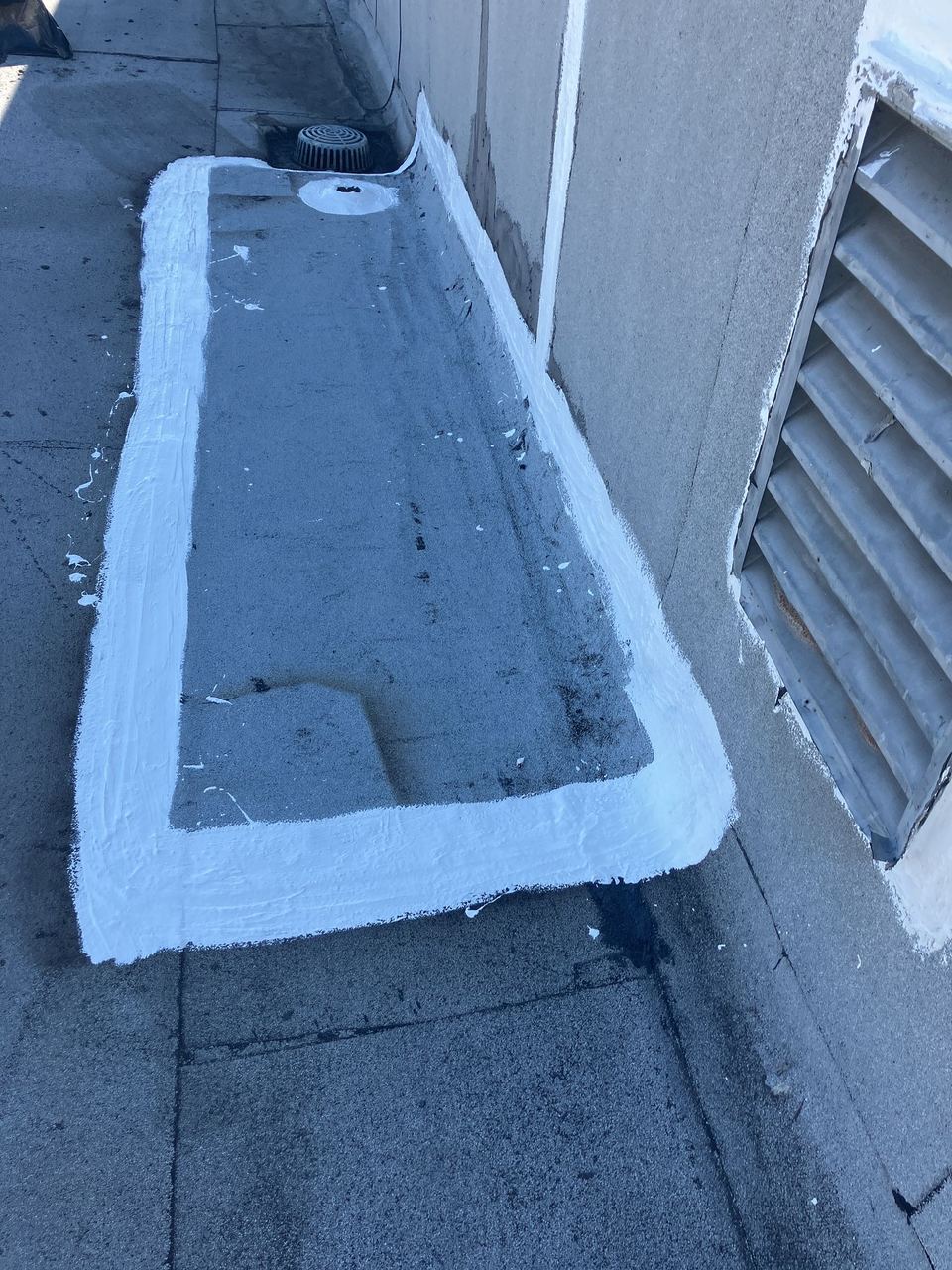
On farm, food-processing and distribution buildings, we install large single-ply and metal roofs. Food plants often call for PVC instead of TPO, since PVC holds up better against the grease and chemicals that rooftop exhaust leaves behind, and with so much food processing in Gilroy that choice comes up often.
Expected Longevity & Value
Realistic life spans in Gilroy: concrete tile 50 years or more, with high-temp underlayment relaid at about 25 to 30; architectural shingle roughly 22 to 27, shorter than near the coast and heavily dependent on venting; designer shingle 35 to 45; standing seam metal 40 to 70; single-ply 20 to 30. Here, a well-vented shingle roof and a poorly vented one can end up years apart.
Gilroy's Climate
and Your Roof
Long hot summers and a long fire season are what Gilroy weather means for a roof.
Summer Heat & UV
This is the big one. Summer highs stay above 95°F for long stretches, often into triple digits, with strong sun and almost no fog. Roof surfaces pass 150°F and an under-vented attic gets much hotter than that. Nearly every material choice we make here traces back to it.
Winter Rainfall
Winter brings about 20 to 24 inches of rain, mostly in a few heavy storms between November and March. Water also runs off the surrounding foothills, so hillside homes need gutters sized for it.
Wildfire Exposure & Dry Season Length
The dry season here is long, and the foothills on both sides are wildland. A longer dry spell means more dry fuel and more weeks of high risk. For the roof, the danger is embers entering vents and debris igniting in valleys and gutters, and both can be handled with good details and regular cleaning.
Practical Implications
For Gilroy: high-temp underlayment under tile, attic venting as part of every job, more reflective surfaces where you are happy with the look, valleys and gutters cleaned through the long fire season, and ember-resistant vents and eaves on foothill lots.
Where We Work
in Gilroy
Downtown Gilroy
Older residential and small-commercial buildings along the Monterey Street core.
Eagle Ridge
Foothill custom homes with premium material specifications and genuine wildland fire exposure.
West Gilroy
1990s–2010s subdivision growth, heavy on concrete tile now reaching underlayment life.
North Gilroy & Las Animas
Newer residential development plus the retail and outlet corridor.
Glen Loma & Santa Teresa Corridor
Recent subdivision construction on the western side approaching the hills.
Industrial & Agricultural Corridor
Food-processing, distribution and agricultural buildings with large-area low-slope and metal roofs.
How We Handle Roofing
in Gilroy
Gilroy Permit Path
Gilroy requires a permit for re-roofs and for roof repairs over 100 square feet. The Building Division issues most re-roof permits electronically through the city's GO Permit Portal or at the counter at City Hall on Rosanna Street, and the contractor pulls the permit, which means showing a C-39 roofing license, workers' comp coverage and a Gilroy business license. We take care of that. Parcels outside city limits go to Santa Clara County.
Measured for the Permit
We check the roof, lift a few tiles to see the felt, and go into the attic to see how hot and stuffy it runs. The city's re-roof application asks for the roof area, pitch and the existing and new materials, so we measure all of that on the same visit.
Price and Weight Settled Early
You get a written scope and a fixed price, including venting work and a per-sheet price for any damaged decking. If the new roof is heavier than the old one, we tell you up front, because the city requires a structural review once a roof assembly goes above 7.5 pounds per square foot.
Early Starts in Summer
We schedule tear-off and installation for the cooler early hours in summer, plan the bin and tile stacks around your driveway, keep the manufacturer's installation instructions on site for the inspector as the city requires, and sweep for nails before we leave.
Why Gilroy Property Owners
Choose Us
We Specify for Real Gilroy Heat
Heat-rated underlayment under tile, venting sized to manufacturer requirements, and materials that handle high temperatures. In the hottest part of the county a standard spec is not enough, and settling for one costs you years.
Tile Relay Rather Than Needless Replacement
When a Gilroy tile roof leaks, the tile is usually fine and the felt beneath it has baked out. We check each layer and suggest a lift-and-relay when that is the honest fix.
Food-Processing and Industrial Roof Experience
Grease and chemicals from exhaust fans ruin the wrong membrane quickly. We recommend PVC where a building needs it rather than defaulting to cheaper TPO.
Still Family-Run
Family-run since 1952, licensed under CSLB #1118418, fully insured and accredited A+ by the BBB. Years from now, the company behind your Gilroy roof will be the same one that built it.
What We Do
for Gilroy Homes & Businesses
Recent Keith Roofing
Projects