Roof Maintenance
San Jose & the Bay Area
Most roofs don't fail all at once — they fail at one sealant joint, one pipe boot, one clogged valley. Scheduled maintenance finds those first.
Roof Maintenance
Done Right Since 1952
A roof is the only major building system most owners never service until it fails. Heating gets a tune-up, the car gets an oil change, but the roof is ignored until a stain shows up on a ceiling — by which point water has usually been moving through the assembly for months. Roof maintenance is the cheapest roofing work you will ever buy, and it is the single biggest lever on how long your roof actually lasts.
Keith Roofing has maintained San Jose roofs since 1952. In that time the pattern has never changed: the roofs that reach — and beat — their rated service life are the ones someone walked once or twice a year. The roofs that fail a decade early are almost always roofs where a $200 pipe boot, a clogged drain, or a lifted piece of flashing went unnoticed through three or four rainy seasons.
Our maintenance work covers both sides of the market. On residential roofs that means an annual walk before the rains: clearing valleys and gutters, resealing exposed fasteners, checking every penetration, replacing cracked boots, and documenting anything that will need attention in the next year or two. On commercial and low-slope roofs it means a scheduled program — drain clearing, seam and lap inspection, flashing and pitch-pan renewal, coordination around HVAC and solar equipment, and a written condition report with photographs you can hand to ownership or put in a capital plan.
The goal is not to sell you a roof. It is to make sure you don't need one before you should.
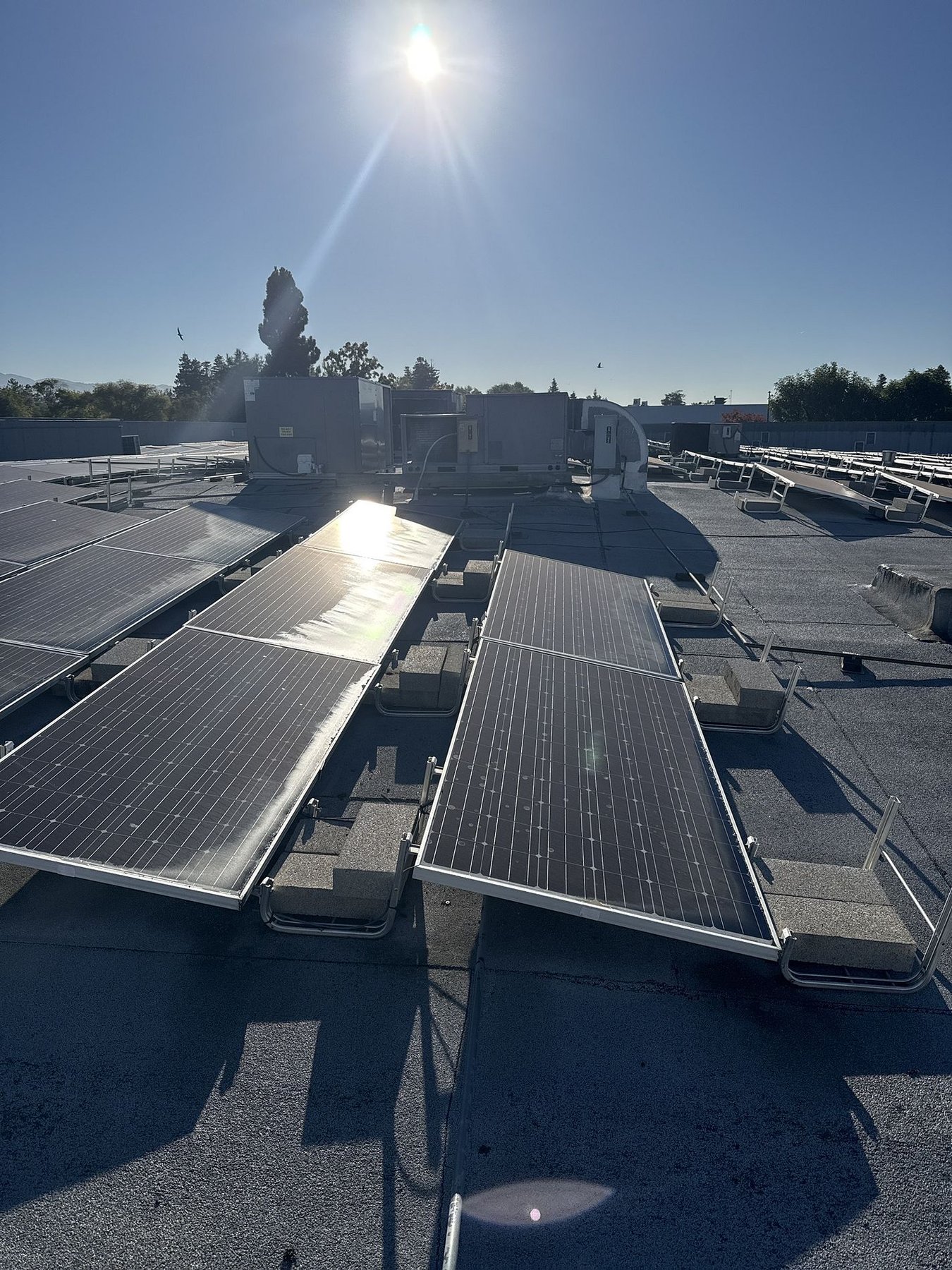
What Roof Maintenance Actually Involves
Why the Bay Area Climate Makes Maintenance Pay
Our climate is unusually hard on roofs in a way that is easy to underestimate, because the damage is seasonal rather than dramatic. San Jose gets a long, hot, bone-dry summer — months of intense UV with essentially no rain — followed by a concentrated wet season where most of the year's rainfall arrives in a handful of atmospheric-river events.
That cycle attacks roofs on two fronts. The dry half of the year bakes the flexible components: neoprene pipe-boot gaskets, exposed sealant at flashing terminations, plastic vent housings, and the surface of any exposed membrane. These are the parts that crack. The wet half of the year then tests every one of those cracks at once, often with wind-driven rain rather than the gentle vertical rain the assembly was detailed for. A pipe boot that split in August does not announce itself until the first real storm in December — and by then it has been ingesting water for weeks of light rain nobody noticed.
Maintenance timed correctly — late summer or early fall, before the first storms — intercepts exactly that failure mode. It is the highest-value hour anyone will spend on your roof all year.
The Residential Maintenance Scope
A residential maintenance visit is a systematic walk, not a glance from the driveway. We clear debris from valleys, behind chimneys, and in roof-to-wall intersections — the places where oak, redwood, and eucalyptus litter collects and holds moisture against the roof surface. We clear gutters and downspouts and confirm they actually run, since a gutter full of standing water backs up under the eave course and rots fascia from behind.
We then inspect and service every penetration: plumbing vent boots (the single most common residential leak source, and a cheap replacement), furnace and water-heater flues, bath and kitchen exhaust terminations, skylight perimeters, and any solar or antenna mounting. We check flashing at every transition — chimney counter-flashing, step flashing at sidewalls, apron flashing at dormers, and headwall detailing. Exposed fasteners get re-sealed. Loose or slipped shingles and cracked tiles get replaced from color-matched stock where we can source it.
Finally we look at the things that predict future work rather than present leaks: granule loss in gutters, shingle curl or cupping, tile underlayment condition at the eaves, attic ventilation adequacy, and any sign of deck deflection. Those observations go in the report so you can budget rather than react.
The Commercial & Low-Slope Program
Low-slope roofs need maintenance more than steep-slope roofs do, because they have no gravity assist. Water that a pitched roof sheds in seconds sits on a flat roof until it finds a drain — or a seam. The commercial program is built around that reality.
Drain and scupper clearing comes first; ponding is the root cause behind a large share of low-slope failures, and most ponding is a blocked drain rather than a structural problem. Then seam and lap inspection across the field — probing welded TPO/PVC seams and checking mod-bit laps for separation. Then the detail work that actually fails: pitch pans (which shrink and need topping off), curb and parapet flashing, termination bars and counter-flashing, and the sealant at every conduit and equipment penetration.
Bay Area commercial roofs increasingly carry solar arrays and dense HVAC, which changes maintenance substantially. Ballasted arrays hide the membrane beneath them. Conduit runs create dozens of new penetrations. Service technicians walk the roof and damage it without reporting it. Our program accounts for that — inspecting under and around equipment, checking walkway pad condition, and flagging third-party damage so you can pursue it with the responsible trade rather than absorbing it.
Every commercial visit produces a written report: photographs, a condition rating, work performed, and a prioritized list of what needs attention now versus what to budget for. That documentation matters for warranty compliance — most manufacturer warranties on commercial membranes require documented maintenance, and a denied warranty claim over missing service records is an expensive way to learn that.
Signs You Need
Roof Maintenance
You've Never Had It Serviced
If nobody has been on your roof since it was installed, that is the sign. Most roofs go unserviced for their entire life and quietly lose years off their service life to problems that cost very little to fix while they are small.
Debris Is Collecting in Valleys
Oak, redwood, and eucalyptus litter packs into valleys and behind chimneys, holds moisture against the roof surface, and dams water sideways under the courses. Visible debris from the ground means considerably more up top.
Gutters Overflow in Rain
Water spilling over the front edge of a gutter during a storm means the system is blocked or pitched wrong. Overflow saturates fascia, siding, and the foundation zone, and it backs water up under the first course of roofing.
Your Roof Is Past the 10-Year Mark
Ten years is roughly when the consumable parts start going: neoprene boot gaskets crack, exposed sealant fails, and fasteners begin to back out. None of it is dramatic, and all of it is cheap to address on schedule.
There's a Solar Array or New HVAC Up There
Every rooftop installation adds penetrations and adds foot traffic. Panels and equipment also hide the roof surface underneath them. Roofs with solar or heavy mechanical equipment need inspection specifically around and beneath that equipment.
Your Warranty Requires Documented Service
Most manufacturer warranties — especially on commercial membranes and premium shingle systems — carry maintenance conditions. Without service records, a legitimate claim can be denied on documentation grounds alone.
Maintenance Programs
We Offer
Annual Residential Service
One scheduled visit per year, timed for late summer or early fall so everything is sound before the first storms. Includes debris clearing, gutter service, penetration and flashing inspection, minor sealant and fastener work, and a written condition summary with photos.
Semi-Annual Residential Service
Two visits — pre-season and post-season. The right cadence for homes under heavy tree cover, properties with complex roof geometry, tile roofs, and any roof past the 15-year mark where you want early warning rather than surprises.
Commercial Low-Slope Program
Scheduled service on flat and low-slope commercial roofs: drain and scupper clearing, seam and lap inspection, pitch-pan and flashing renewal, equipment-penetration sealing, and a photo-documented condition report suitable for ownership and capital planning.
Post-Storm Inspection
A targeted assessment after a significant wind or rain event. We check for lifted or missing material, displaced flashing, debris impact, and new ponding — and document everything, which matters if an insurance claim follows.
Pre-Purchase & Pre-Sale Roof Assessment
A documented condition and remaining-service-life evaluation for a property changing hands. Useful for buyers negotiating, sellers heading off a surprise in the inspection report, and anyone who needs a defensible number rather than a guess.
Tune-Up After Another Contractor
An independent review and correction pass on recent work — commonly requested after a solar installation, an HVAC change-out, or a repair by a general trade that left penetrations and flashing details short of roofing standard.
How We Handle
Your Roof Maintenance
Scope & Schedule
We confirm roof type, size, access, and history, then set a visit window. Commercial programs are scheduled ahead for the year so service lands before the wet season.
Full Roof Walk
A systematic inspection of field, penetrations, flashings, transitions, drainage, and — on commercial roofs — everything under and around rooftop equipment.
Service Work On the Spot
Debris and drain clearing, gutter service, fastener re-sealing, boot and minor flashing replacement, and small repairs completed during the same visit wherever possible.
Photo-Documented Report
A written condition report with photographs, a clear rating, what we performed, and a prioritized list of what needs attention now versus what to budget for later.
Plan the Next Cycle
We set the next visit and, if the roof is nearing end of life, give you an honest timeline and budget range so replacement is a planned decision rather than an emergency.
Why Bay Area Owners Choose Us
for Roof Maintenance
We Tell You When to Do Nothing
The whole value of maintenance is trust. If your roof is fine, the report says it is fine. We have no interest in manufacturing work on a roof with fifteen good years left in it.
Seventy-Plus Years of Local Pattern Recognition
Since 1952 on Bay Area roofs. We know which tract-era details fail, how our dry-then-drenched climate ages each material, and what a roof looks like three years before it leaks.
Documentation That Protects Your Warranty
Every visit produces photographs and a written record. That file is what preserves a manufacturer warranty claim and what supports an insurance claim after a storm.
Licensed, Insured, and Accountable
CSLB #1118418, fully insured, BBB A+. The same crews do our maintenance and our installations, so the people inspecting your roof actually know how it was built.
Local Resources
for Bay Area Property Owners
Useful references for maintaining a roof in Santa Clara County and across the greater Bay Area — permits, fire requirements, weather timing, and how to verify any contractor before you let them on your roof.
When to Schedule in the Bay Area
Target late August through October. Our rain arrives concentrated in a few large events, so the objective is to be sound before the first one. Track the seasonal outlook at the National Weather Service Bay Area office: NWS Bay Area forecast →
Permits: Maintenance vs. Repair
Routine maintenance, cleaning, and minor sealant work generally do not require a permit. Replacement of a roof section, structural repair, and re-roofing do. Requirements are set by your city — San Jose's Building Division handles permits for San Jose properties: City of San Jose →
Verify Any Contractor's License
Before anyone works on your roof, confirm the license is active, the classification is right (C-39 for roofing), and the workers' comp coverage is current. Keith Roofing is CSLB #1118418. Check any California contractor here: Look up any CA contractor →
Fire-Zone & WUI Requirements
Hillside properties in Los Gatos, Saratoga, Almaden, the Oakland hills, and other wildland-urban-interface areas carry ember-resistance requirements affecting vents, gutters, and debris management. Guidance from the State Fire Marshal: CA State Fire Marshal →
Debris, Trees, and Your Roof
Santa Clara County's oak, redwood, and eucalyptus canopy is the leading cause of clogged valleys and gutters here. Keeping limbs trimmed back from the roof plane reduces both debris load and ember risk, and is the cheapest roof-life extension available.
Title 24 & Cool-Roof Rules
California's energy code sets reflectance requirements that come into play when you move from maintenance to replacement — particularly on low-slope commercial roofs. Background from the California Energy Commission: CA Energy Commission →
Serving San Jose, Santa Clara, Sunnyvale, Campbell, Los Gatos, Saratoga, Cupertino, Mountain View, Palo Alto, Milpitas, Morgan Hill, Gilroy, Los Altos, Menlo Park, Redwood City, San Mateo, Fremont, Newark, Union City, Hayward, San Leandro, Oakland, Walnut Creek and San Francisco.
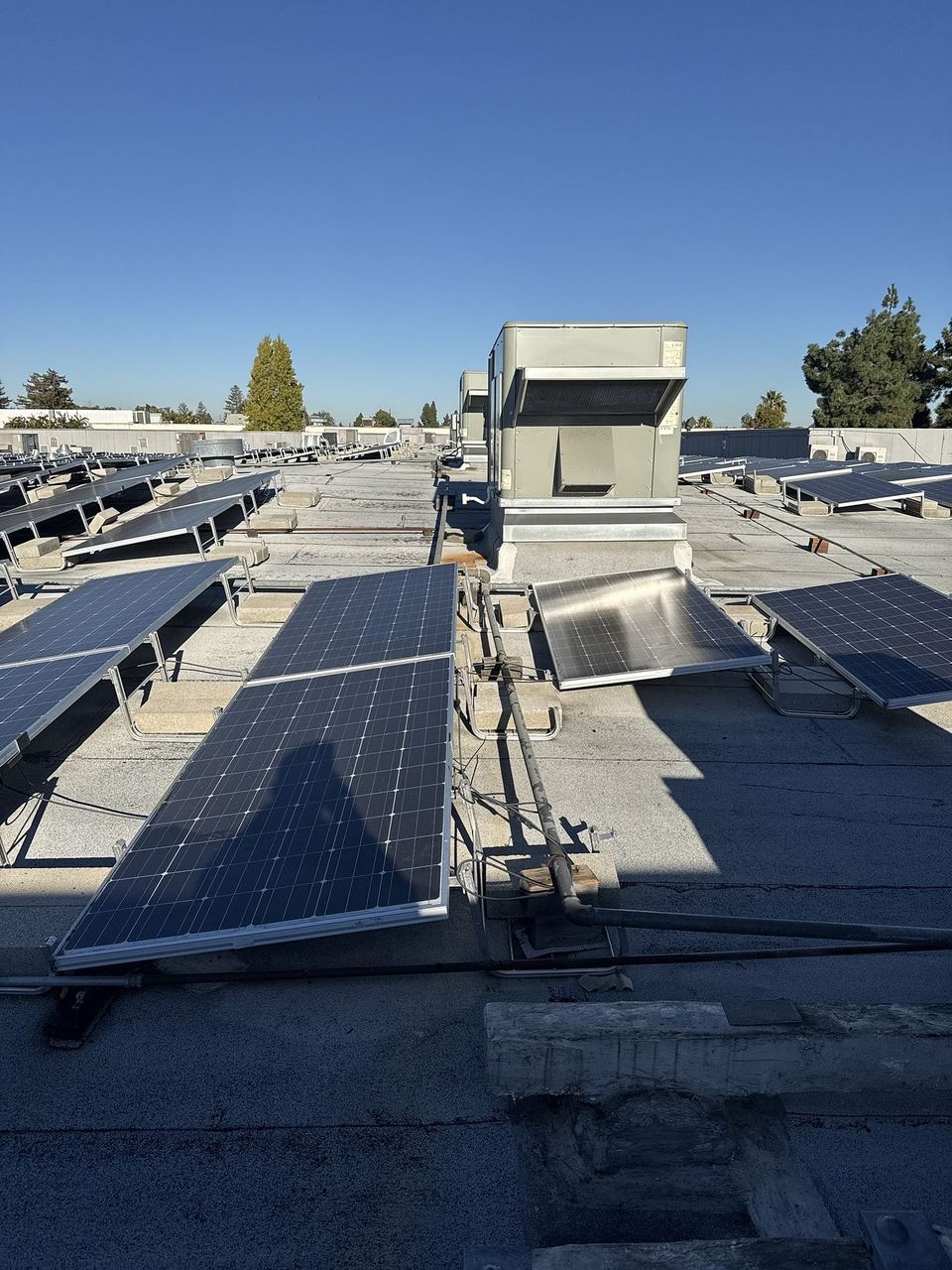
San Jose Commercial Maintenance Program
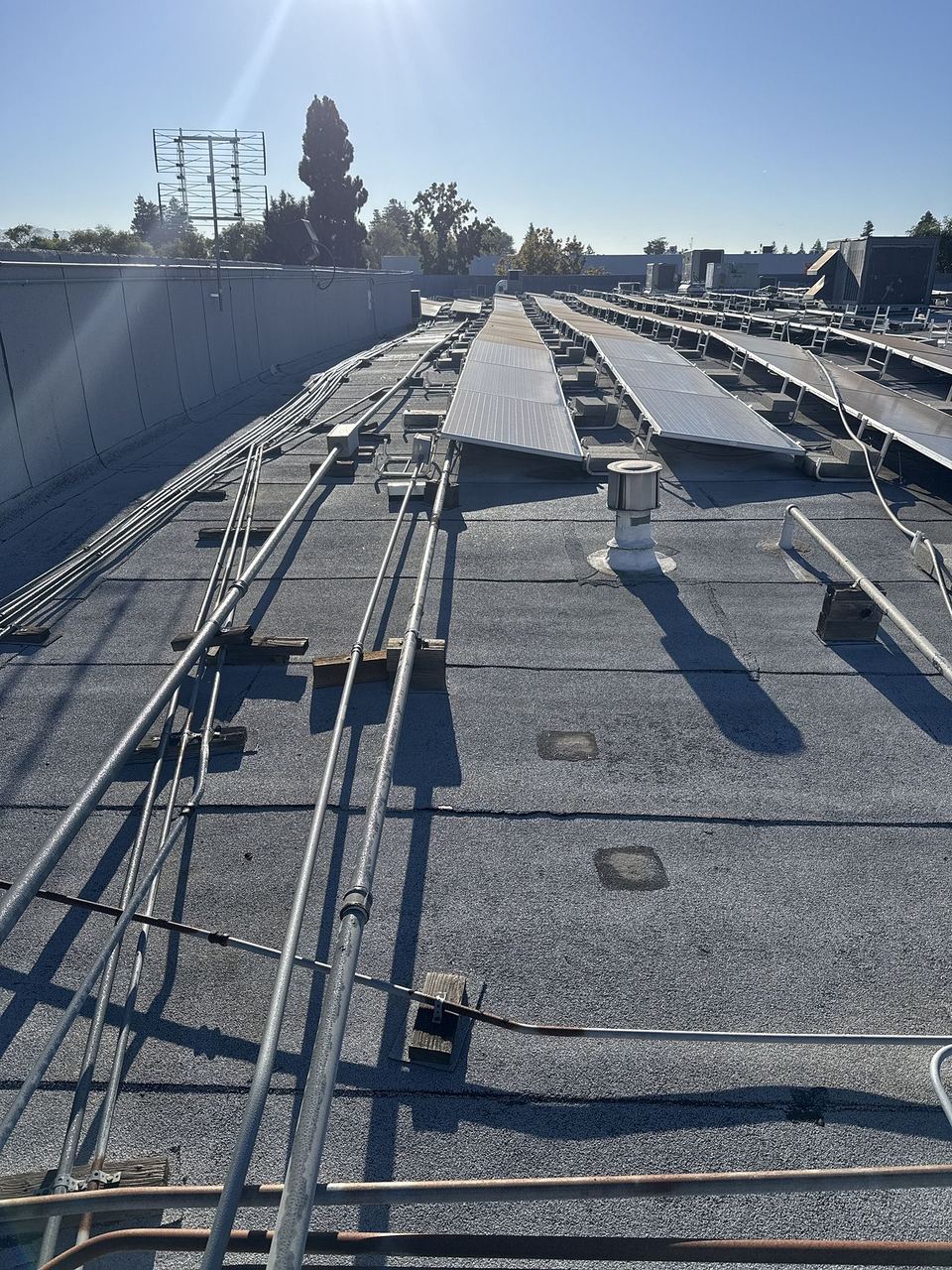
An ongoing maintenance program on a large San Jose commercial flat roof carrying both a substantial solar array and dense HVAC equipment. Scheduled service covers drain and scupper clearing, seam and lap inspection across the field, pitch-pan and flashing renewal, and sealing at the conduit penetrations that multiply around rooftop equipment. Working under and around a ballasted array is the part most contractors skip — it is also where the problems hide. Active leaks are addressed as they are found, single-ply sections are replaced where the membrane has reached the end of its service life, and every visit is photo-documented so ownership has a current condition record for both warranty compliance and capital planning.
Recent Roof Maintenance
Projects
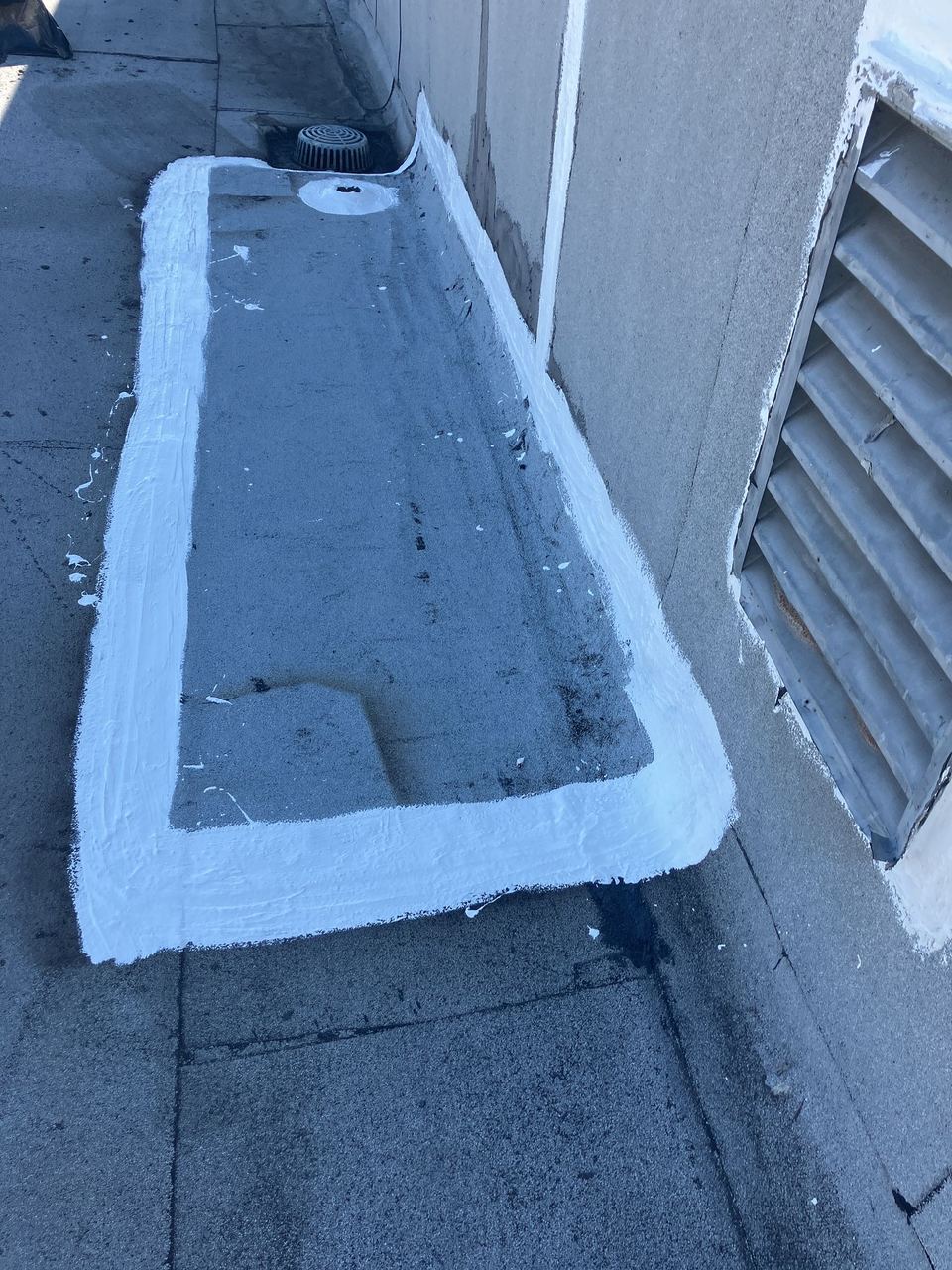
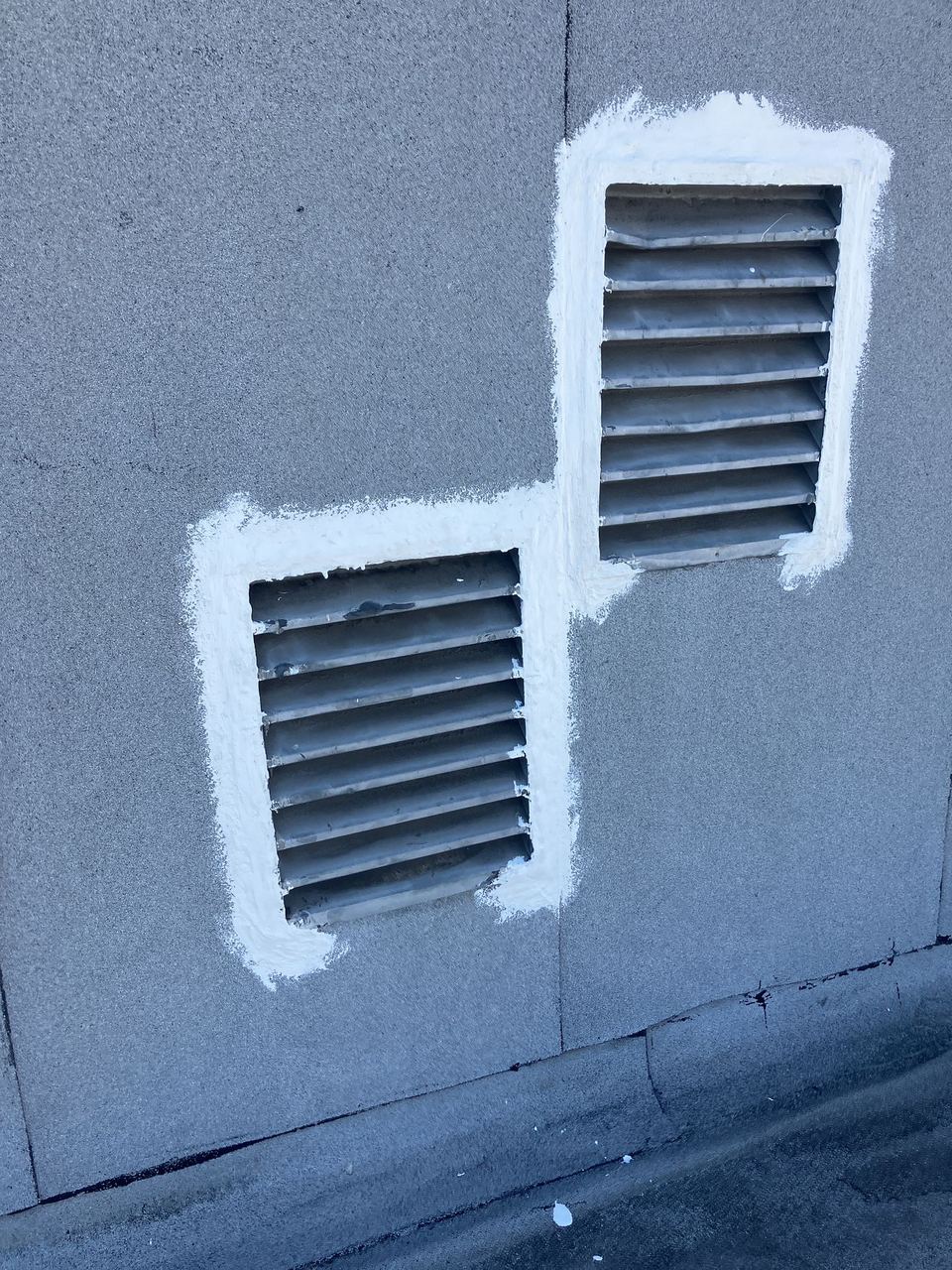
Projects Featuring
Our Roof Maintenance Service
Real Keith Roofing projects where we delivered this service. Click any case study for the full story.
San Jose Commercial Maintenance
Ongoing commercial flat-roof maintenance with solar panel coordination, single-ply install, and active leak repair.
View Case Study →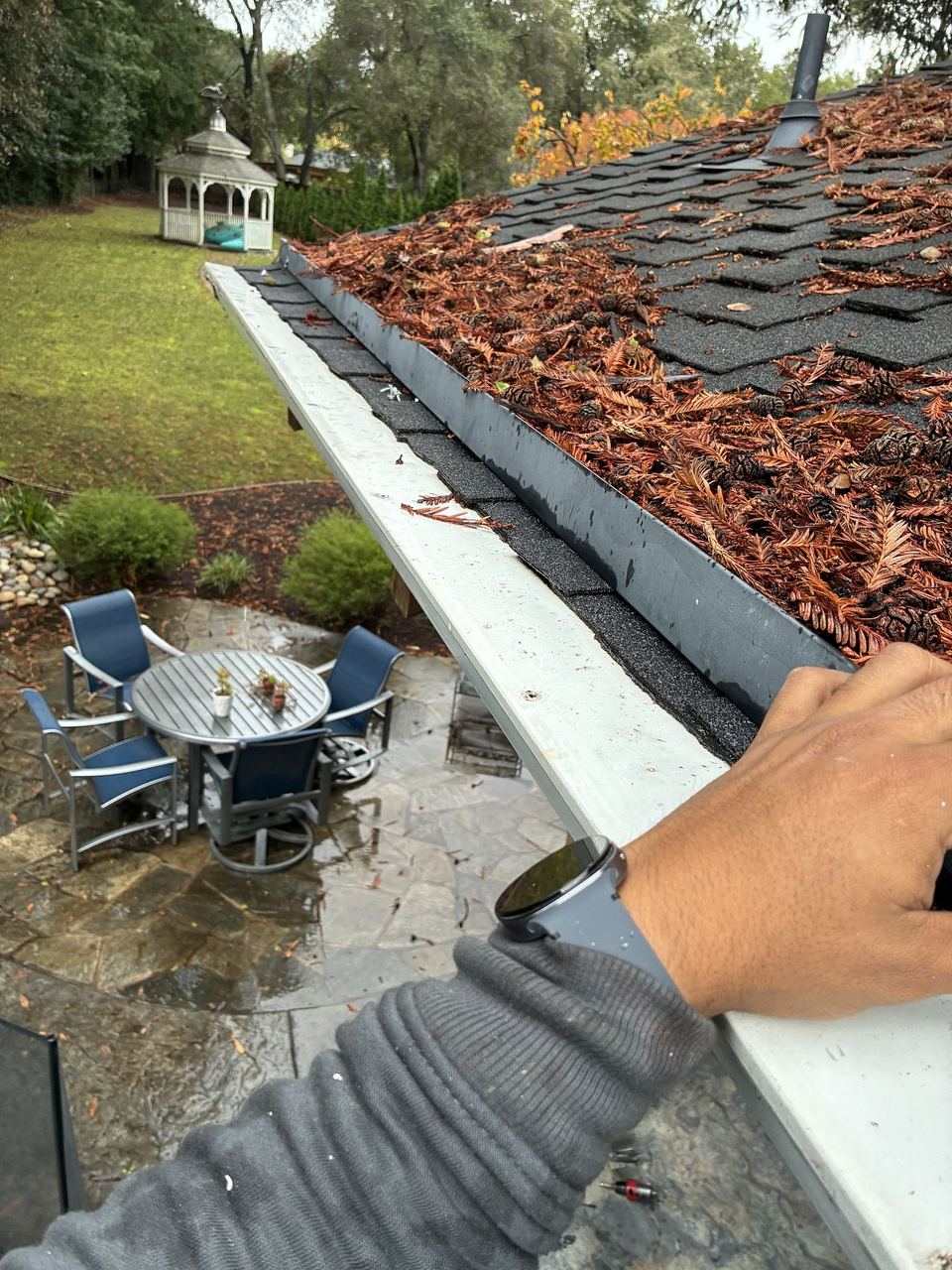
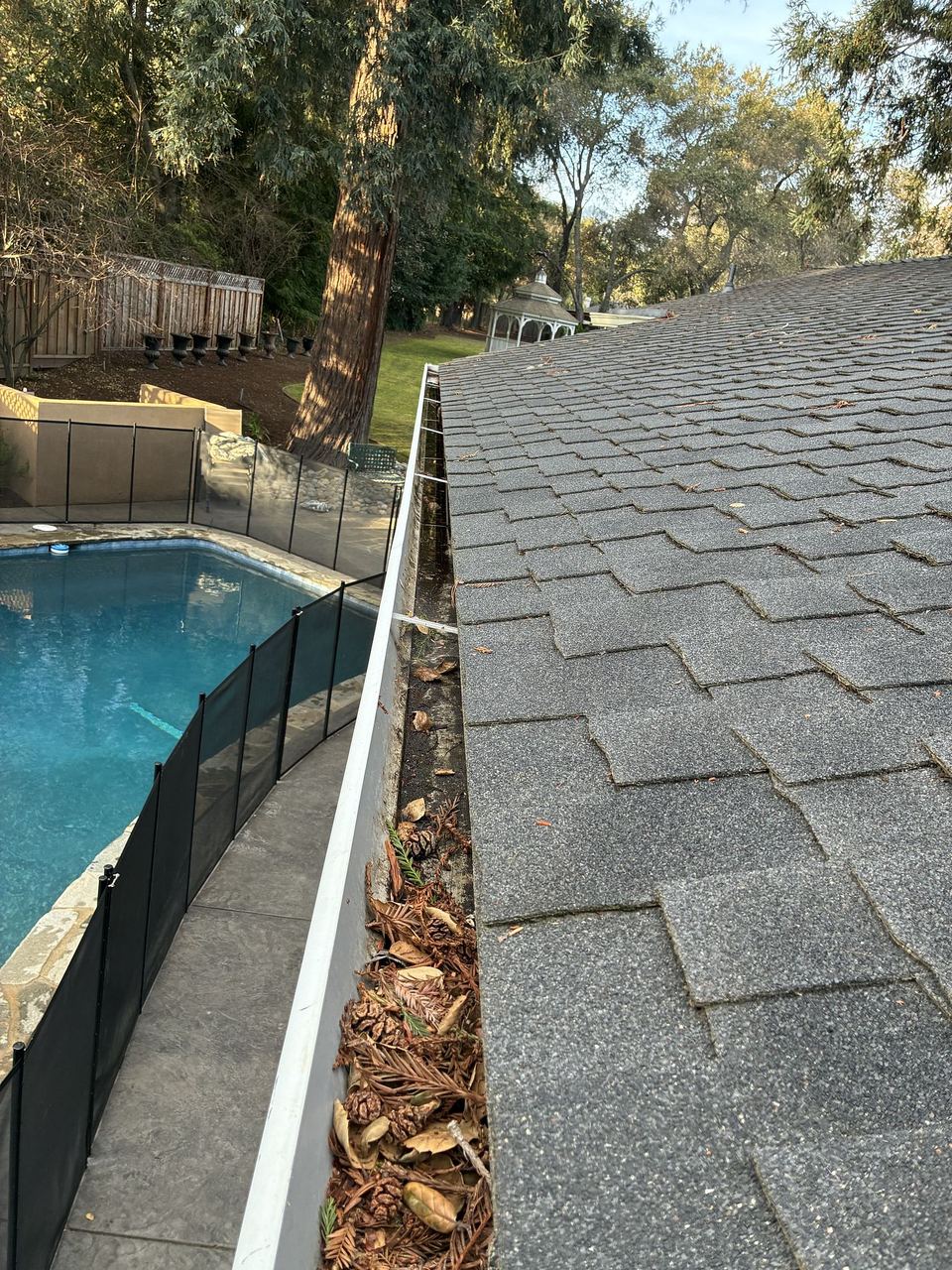
Saratoga Presidential Fire Repair
Fire-damage repair with seamless CertainTeed Presidential shingle tie-in and full gutter service.
View Case Study →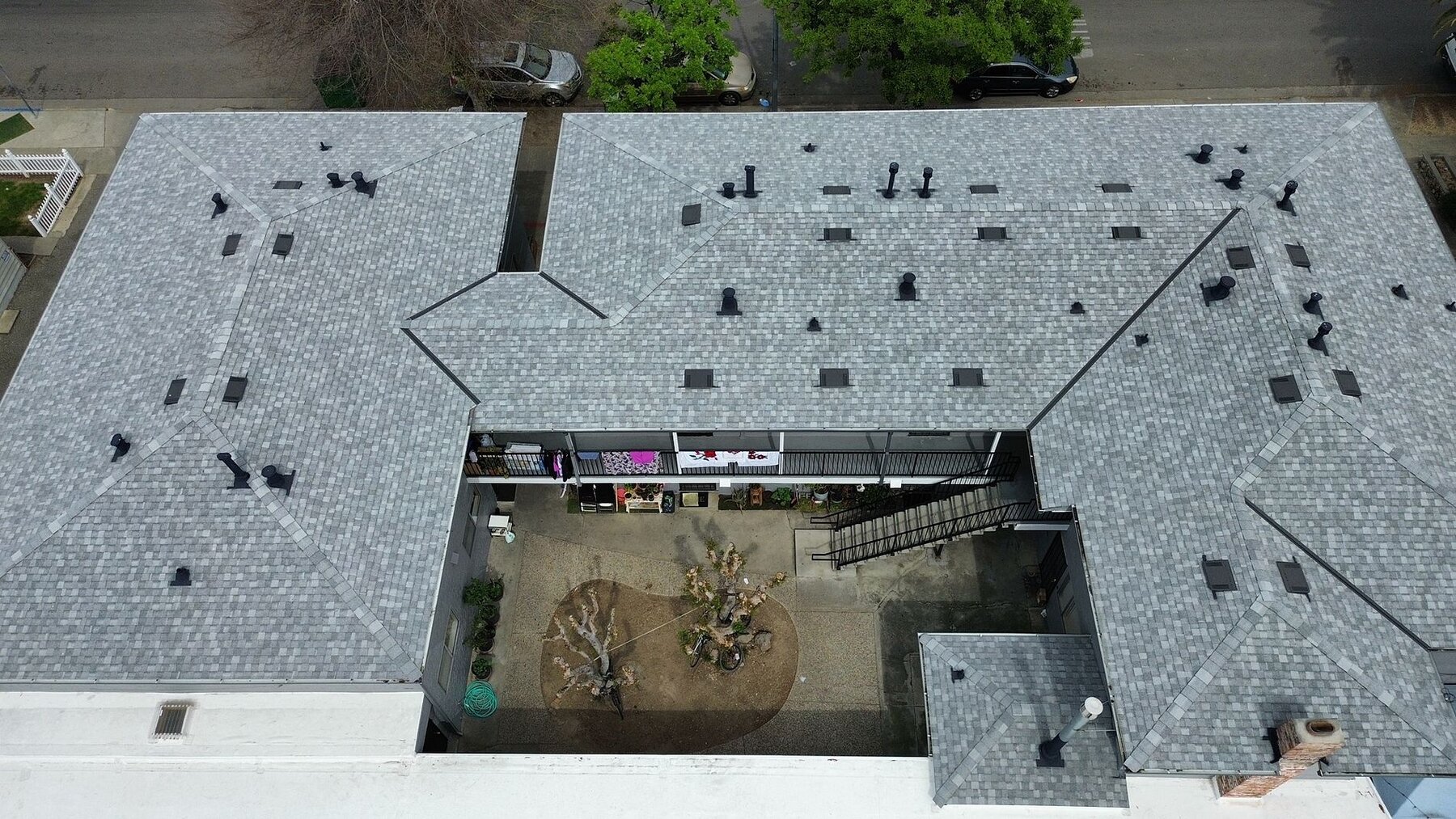
San Jose Apartment Complex Re-Roof
Full-scope apartment re-roof combining Landmark shingle, TPO low-slope, dry rot repair and new gutters.
View Case Study →