Roofing Contractor
in Oakland, CA
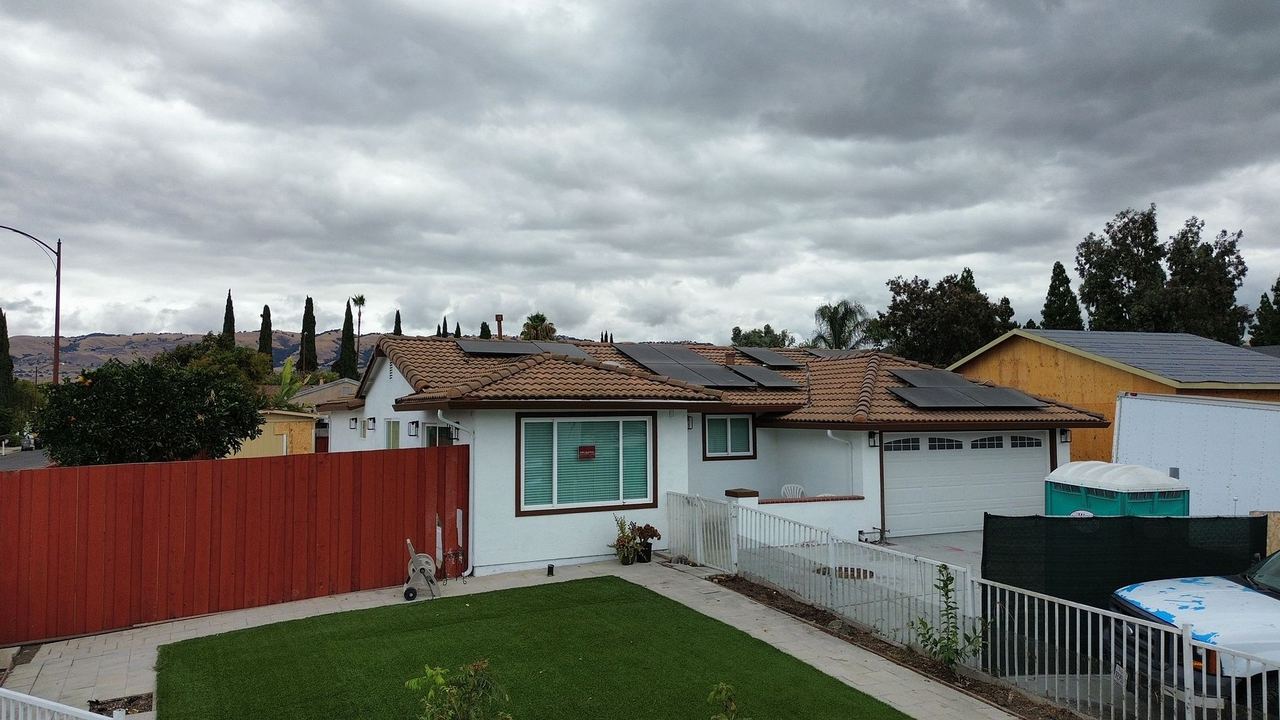
Rockridge Craftsman homes, Montclair hillside houses and flat roofs across the flats and downtown: Keith Roofing Company works on all three in Oakland. Family-owned since 1952, with California license #1118418 and BBB A+ Accreditation.
Oakland's Trusted
Roofing Contractor
Oakland has some of the oldest and most architecturally serious housing stock in the Bay Area, and roofing here is correspondingly demanding. Rockridge, Temescal, Piedmont Avenue and Adams Point are dense with Craftsman, Colonial Revival and period-revival homes, many from the 1900s–1920s, frequently with steep pitches, complex dormers and original detailing worth preserving. Montclair and the hills climb into genuine wildland-urban interface with mature canopy, steep and difficult access, and the most serious fire requirements in our service area. And the flats and industrial corridor carry an enormous inventory of commercial and multi-family low-slope roofs.
Two things make Oakland distinctive. The 1991 Oakland Hills firestorm permanently changed how roofs are built up there — fire assemblies and ember resistance are not an abstraction in Montclair, they are lived history and they are reflected in the requirements. And the Hayward Fault follows the foot of the hills right through town, producing the same slow structural movement that shows up as recurring roof leaks in Hayward and Fremont.
What this means for you: An Oakland roof estimate that does not account for which Oakland you are in is not worth much. Period detailing in Rockridge, fire assembly in Montclair, and drainage and membrane selection in the flats are three different disciplines. We work all three, and we will tell you plainly which considerations actually apply to your property.
What We See on
Oakland Roofs
A 1915 bungalow, a post-1991 hill house and a downtown flat roof fail in very different ways. Here is what we tend to find across Oakland.
Period-appropriate shingle dominates the pre-war neighborhoods, with a meaningful amount of slate and tile on the more significant homes. The hills run to Class A fire assemblies — tile, standing seam metal and premium designer shingle. The flats, downtown and the industrial corridor carry a very large inventory of single-ply, modified bitumen, built-up and coating work on commercial and multi-family buildings, much of it aging.
High-Severity Fire Zone in the Hills
Montclair and the Oakland hills carry the most serious wildland-interface requirements in our service area, shaped by the 1991 firestorm. Ember-resistant vents, eave detailing and noncombustible gutters are not optional refinements here.
Century-Old Roof Assemblies
Pre-war Oakland homes frequently have skip-sheathing, multiple layers of prior roofing, original flashing and steep complex geometry. Tear-off routinely reveals conditions that have to be addressed and that a cheap bid did not price.
Aging Commercial and Multi-Family Low-Slope
The flats and downtown carry a very large inventory of built-up and modified bitumen roofs that have outlived their design life. Water standing around clogged drains, seams pulling apart and cracked pitch pans turn up again and again.
Fault Movement Along the Hill Base
Houses near the fault line at the foot of the hills move a little, slowly, all the time. That can crack tile, pull flashing joints open and cause leaks that come back because the building is shifting, not because the roofing was poorly done.
Fire Assemblies in the Hills, Period Work in the Flats
Why This Works Here
Oakland asks a roofer to be genuinely good at two very different things. In the hills, fire performance is the priority and the assembly matters more than the surface. In the pre-war flats, the work is preservation-grade — steep, complex, detailed roofs on houses where a clumsy job is visible forever. Seventy-three years is how you get to do both credibly.
Technical Installation Approach
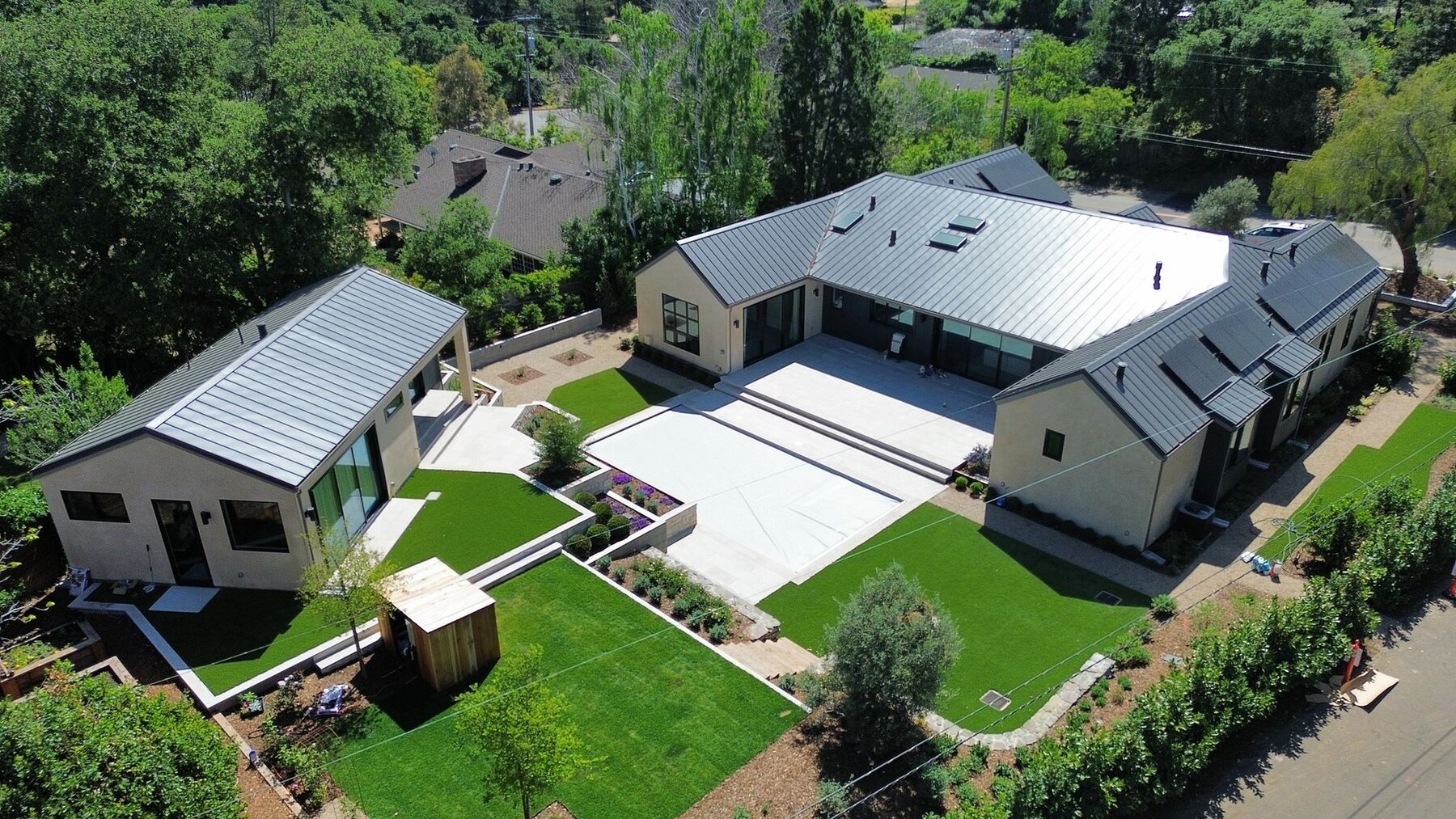
In the hills, we build Class A assemblies and treat the detailing as the real work. Ember-resistant vent products, properly detailed or enclosed eaves, noncombustible gutters and guards, and valleys kept genuinely clear decide whether wind-blown embers find a way in, and in 1991 embers, not a single wall of fire, did much of the damage. Concrete and clay tile and standing seam metal both perform excellently and suit the architecture; premium designer shingle with a Class A rating is the third path. Access and staging on steep, narrow hill roads need real planning.
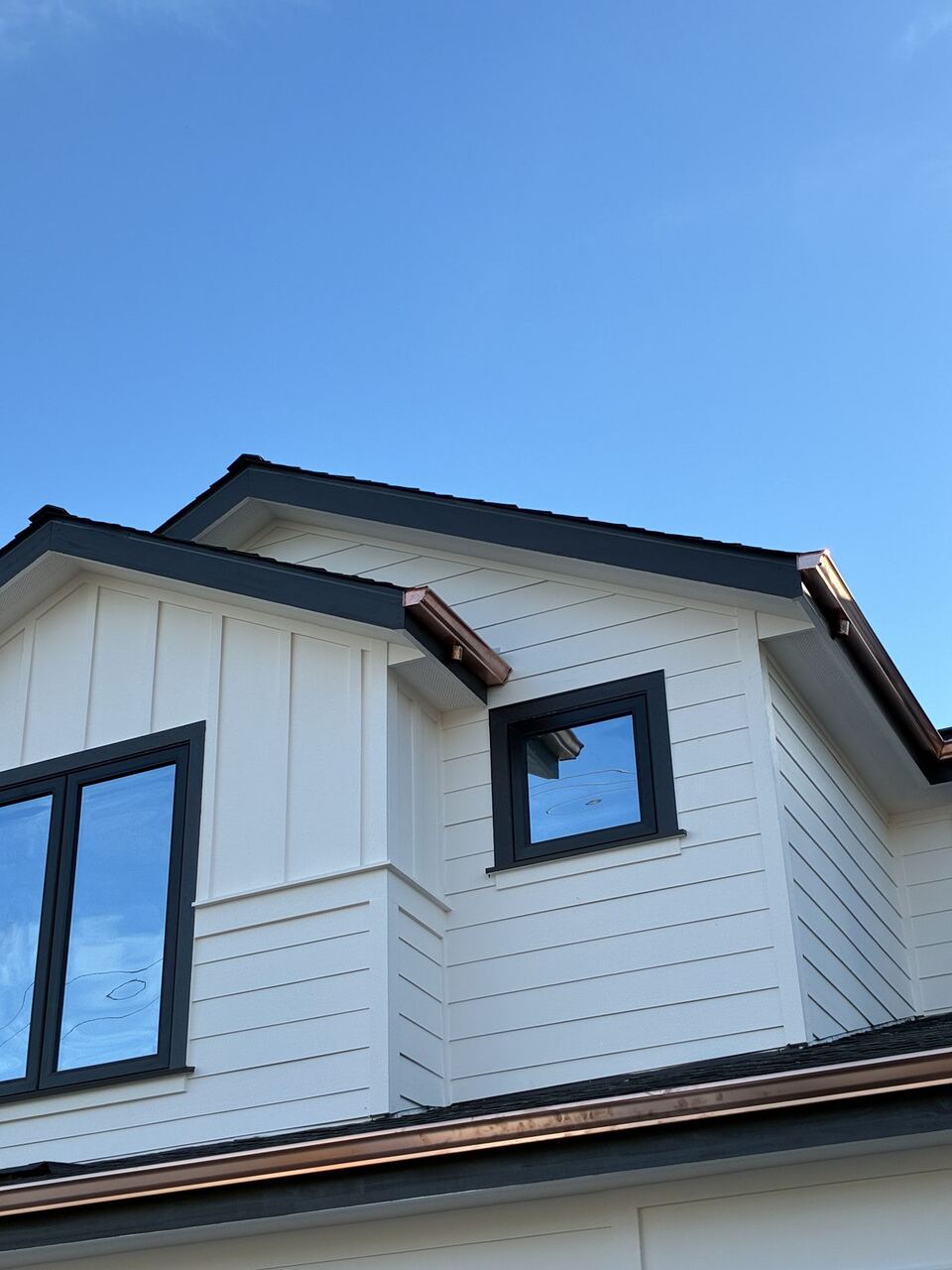
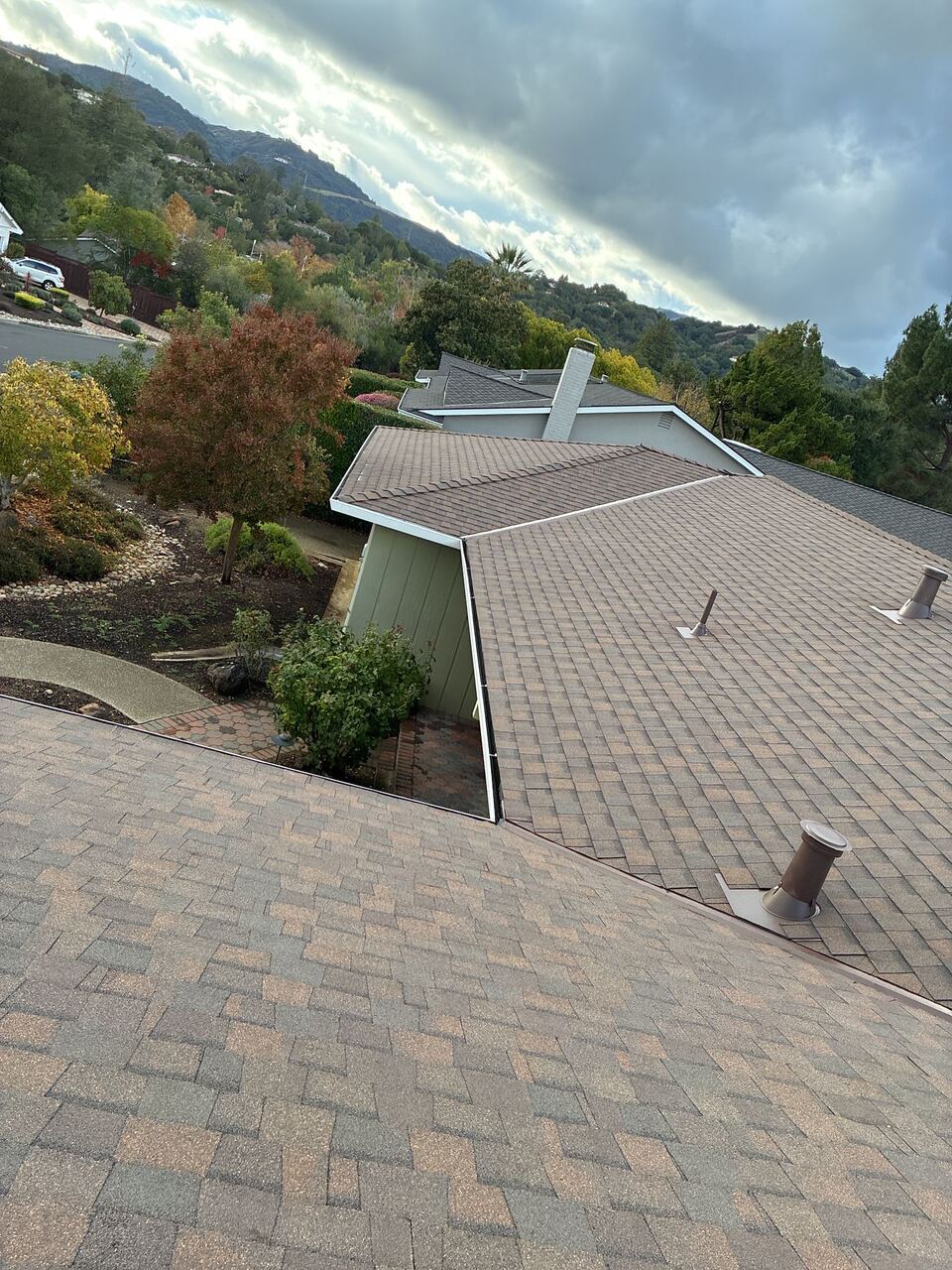
In the pre-war neighborhoods, a heavy designer shingle in a color picked against the house itself is our usual choice, with open metal valleys where the builder used them and chimney flashing set into the mortar joints instead of glued on with sealant. On these roofs we expect to find skip-sheathing and prior layers at tear-off, and we assess and price deck condition honestly at estimate rather than discovering it as a change order.
Apartment and commercial flat roofs get TPO or PVC membrane, modified bitumen, or a silicone restoration where the old roof allows it. We sort out drainage first, since standing water there usually means a clogged drain or a sag under equipment, and we test the insulation for moisture before a coating is even on the table.
Expected Longevity & Value
Typical lifespans in Oakland: tile, clay or concrete, 50+ years if the underlayment is relaid at around 25–30; standing seam 40–70; designer shingle 40–50; ordinary architectural shingle 25–30; single-ply membranes 20–30; and a restoration coating adds roughly 10–15 years to a sound flat roof. In the hills, the fire performance of tile and metal is frequently worth more than the longevity is.
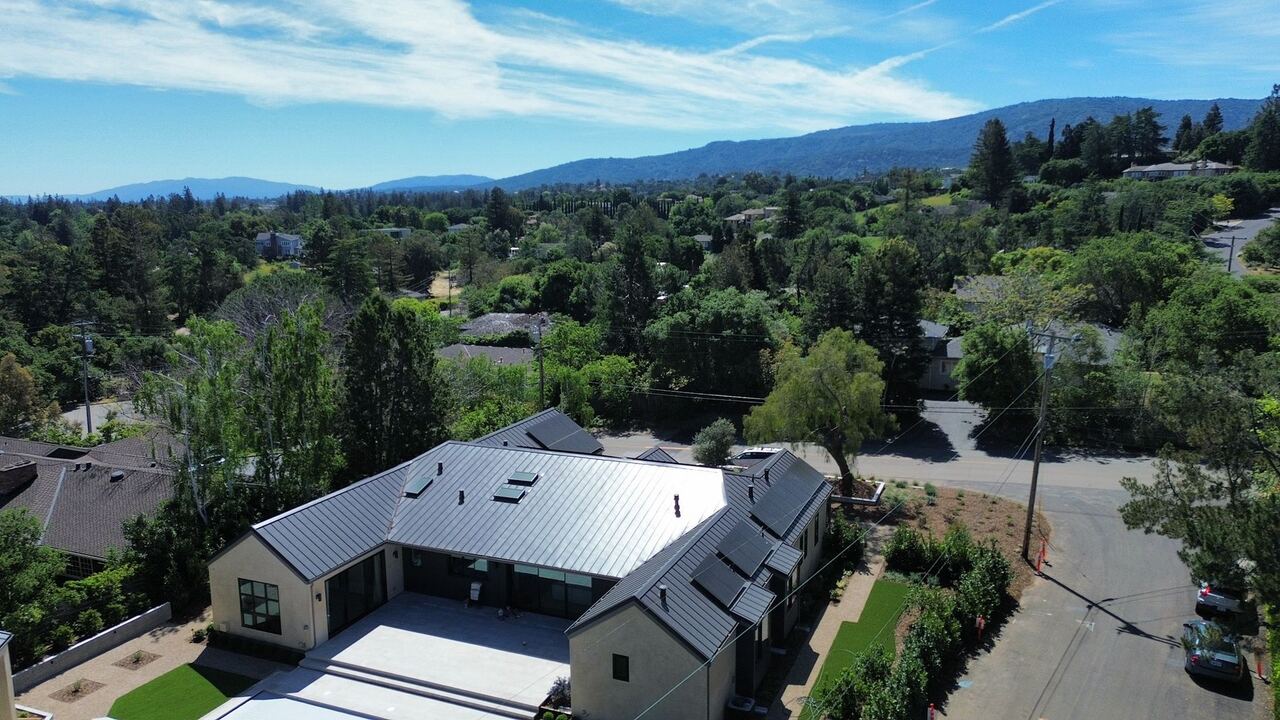
Oakland's Climate
and Your Roof
Fog in the flats, dry heat in the hills and a fault in between. Oakland's weather and ground change block by block, and so do its roofs.
Summer Heat & UV
Oakland summers vary sharply by elevation. The flats stay cool and often foggy at 65–75°F, while the hills run considerably warmer and drier. That hill dryness, combined with mature canopy, is what builds the fuel load through the summer.
Winter Rainfall
Winters bring roughly 22–26 inches of rain — more than the South Bay — in concentrated atmospheric-river events. Steep hillside roofs shed quickly but concentrate runoff, and the aging low-slope stock in the flats is tested hard by sustained rain.
Wildfire, Fog & Fault
The hills sit in high-severity wildland-urban interface — the 1991 firestorm is the defining local reference, and ember intrusion is the realistic mechanism. The flats get persistent fog that drives moss and algae on shaded slopes, plus salt exposure near the estuary. Between the two lies the fault zone at the foot of the hills.
Practical Implications
In the hills: Class A assemblies, ember-resistant vents and eave detailing, noncombustible gutters, semi-annual clearing of valleys and gutters, and defensible space. In the flats: algae-resistant materials, corrosion-appropriate metals near the estuary, and drainage attention on aging low-slope roofs.
Where We Work
in Oakland
Montclair & the Oakland Hills
High-severity fire zone with mature canopy, steep access and the most demanding assembly requirements we work with.
Rockridge & Temescal
Dense pre-war Craftsman and period-revival homes with steep pitches, dormers and original detailing.
Piedmont Avenue & Adams Point
Early-century homes and small multi-family buildings, a mix of steep-slope and low-slope work.
Grand Lake & Lakeshore
Period homes and multi-family buildings around the lake, much of it 1920s stock.
Downtown & Uptown
Commercial and mixed-use buildings with substantial aging low-slope roof inventory.
The Flats & Industrial Corridor
Warehouse, industrial and multi-family buildings with large low-slope roofs and estuary salt exposure.
How We Handle Roofing
in Oakland
Permits Through Oakland Planning & Building
Piedmont sits inside Oakland but issues its own permits, and Oakland mailing addresses do not always follow city lines. After checking the parcel, we apply through the City of Oakland Planning & Building Department and schedule each inspection.
Looking Under the Old Layers
On pre-war homes we check the attic for skip-sheathing and count the old roof layers. In the hills we look at vents, eaves and debris; on flat roofs we trace the drains. Material samples come with us so you can choose in daylight.
Old-House Costs Priced Up Front
New sheathing over skip boards, extra tear-off layers and steep-roof safety gear are written into the scope with one firm price, so a century-old house does not turn into a string of change orders.
Montclair Roads and Fire Details
Winding hill streets leave little room for trucks, so delivery times, bin placement and haul-off are arranged before the start date. The fire-rated layers, vents and eave closures are chosen during the estimate, not on the roof.
Why Oakland Property Owners
Choose Us
Serious About Fire Assemblies in the Hills
In neighborhoods that still remember 1991, we start with a Class A roof and then close the gaps embers use: screened vents, enclosed eaves, metal gutters and guards, and valleys kept clear.
Preservation-Grade Work on Pre-War Homes
Craftsman and period-revival roofs keep their character with us: valleys in exposed metal, chimney flashing let into the brick joints, ridge lines that suit the house, and a straight answer on the decking before you sign.
Commercial and Multi-Family Low-Slope Depth
Downtown and the flats hold many tired tar-and-gravel and modified bitumen roofs. We clear the drainage problems first, test for wet insulation, and tell you whether repair, coating or replacement makes sense.
A Contractor You Can Check
Look us up: CSLB license #1118418, BBB A+ Accredited, insured, and family-owned since 1952. Oakland clients get the same written scope and fixed price as our San Jose neighbors.
What We Do
for Oakland Homes & Businesses
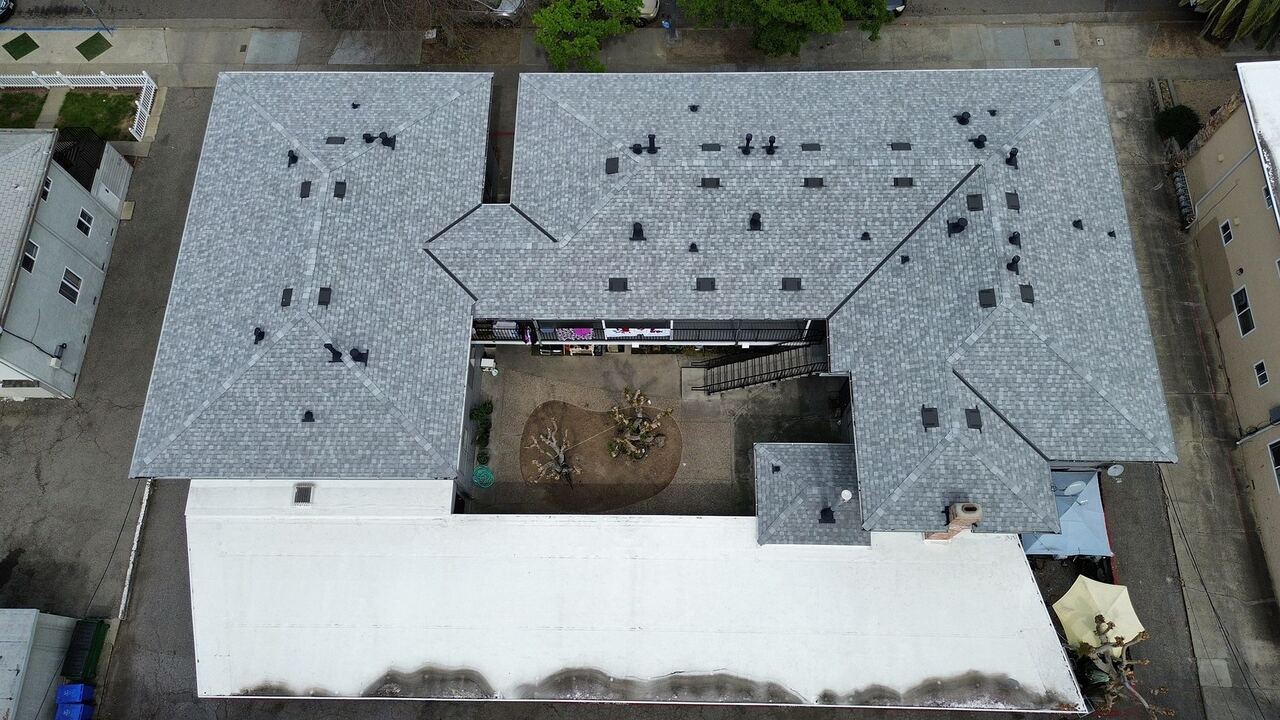
Recent Keith Roofing
Projects