Roofing Contractor
in Fremont, CA
Fremont is a short drive up 880 from our San Jose office, and Keith Roofing Company works all over it: Niles cottages, Mission San Jose hillside homes, Ardenwood tracts and Warm Springs industrial roofs. Family-owned since 1952. BBB A+ Accredited. California Licensed #1118418.
Fremont's Trusted
Roofing Contractor
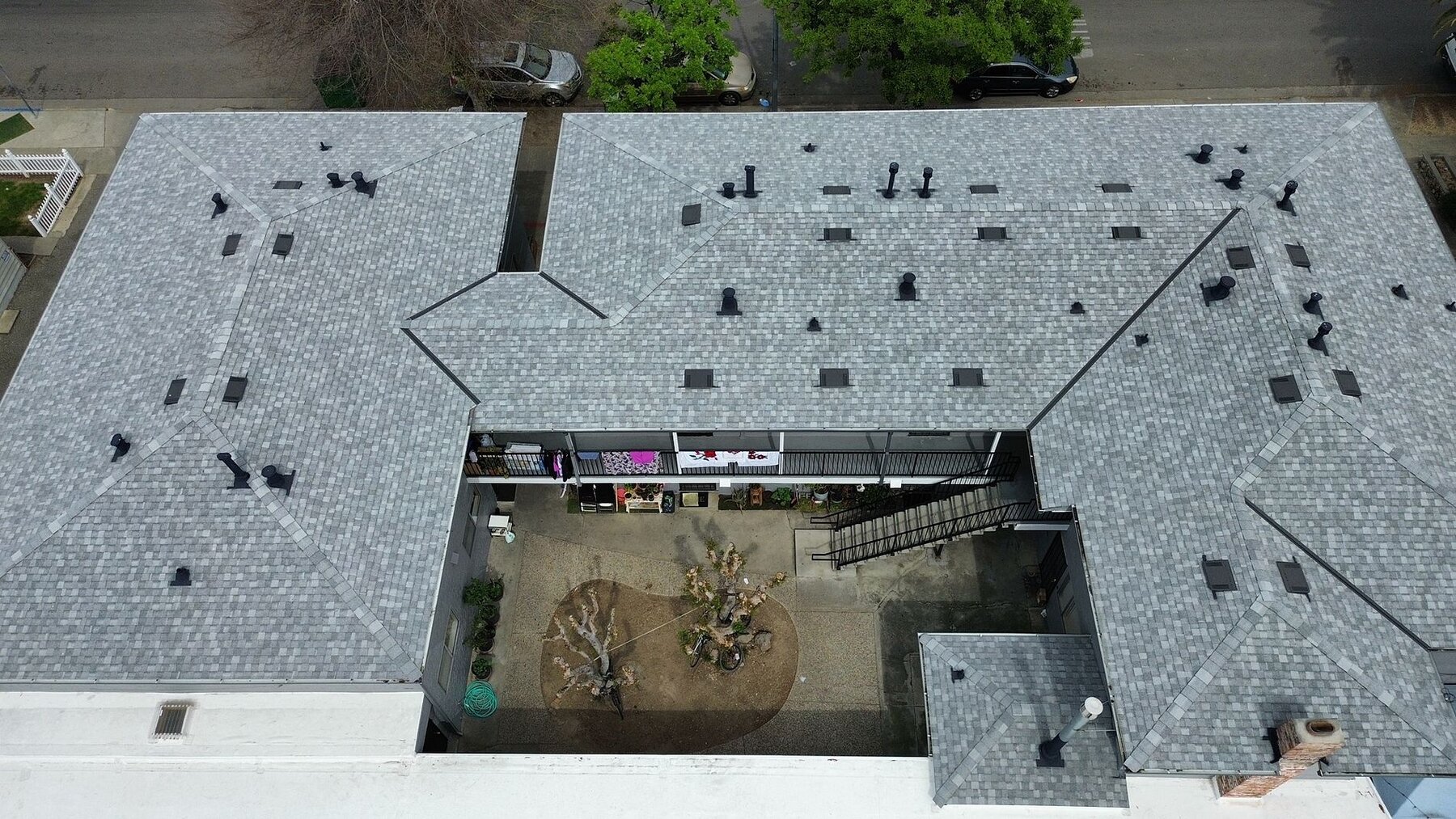
Of all the East Bay cities, Fremont is the one closest to home for us, and few cities have a wider mix of roofs. It was stitched together from five small towns, and each one still has its own building story. Niles keeps its old-town houses and storefronts. Mission San Jose rises into the foothills with steep custom homes and real fire exposure. Ardenwood and Warm Springs are mostly subdivisions from the 1970s through the 2000s. Then there is the industrial side of Fremont, the manufacturing and warehouse districts along 880 and 262, with flat roofs measured in acres.
The Hayward Fault also runs along the foot of the hills through Mission San Jose and Irvington. Its creep is slow and steady, and on older roofs it shows up as cracked tile, flashing joints that pull apart and wall transitions that separate, years before anyone would think of it as earthquake damage.
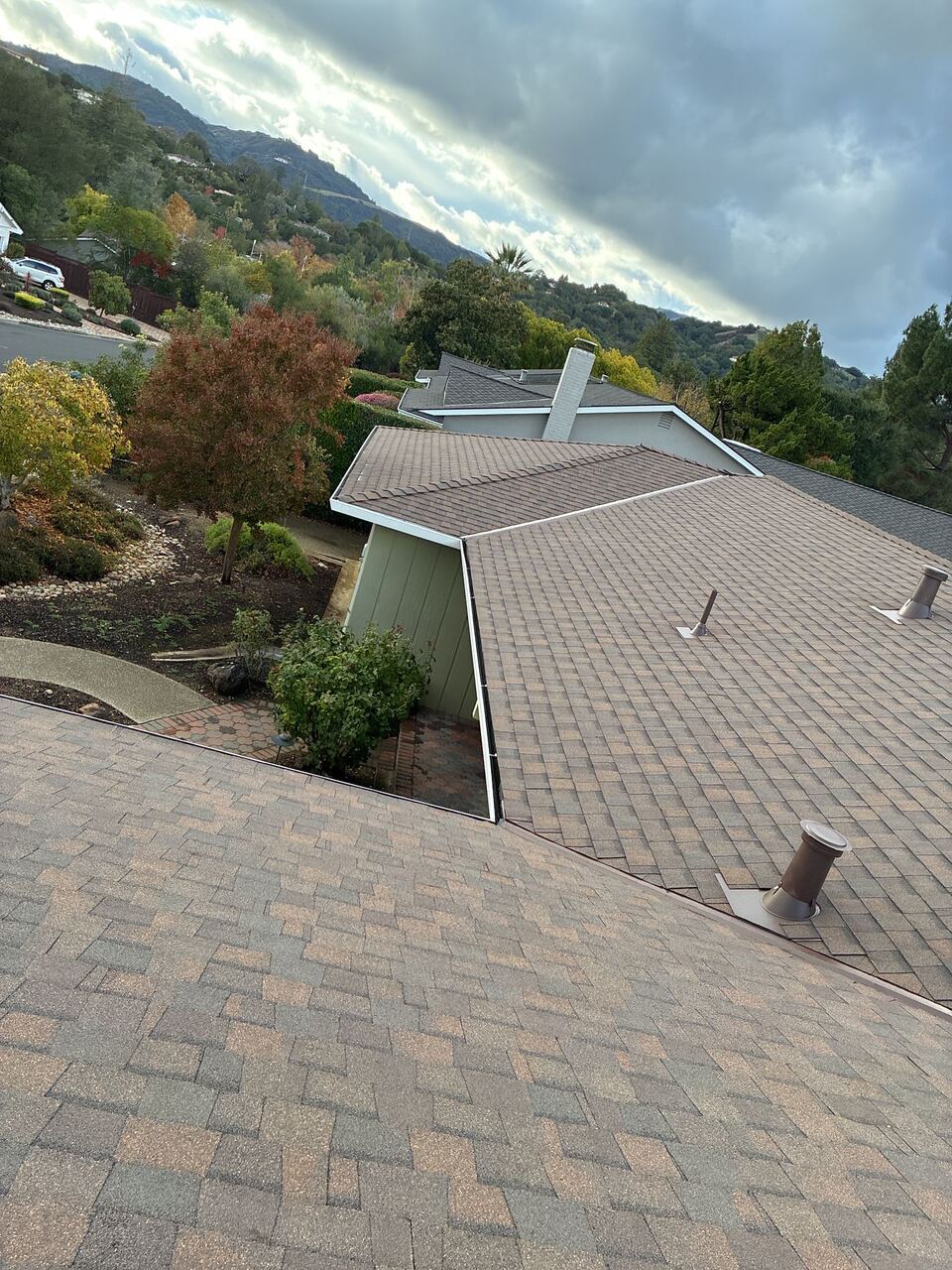
What this means for you: A Niles bungalow, a hillside custom above Mission Boulevard, an Ardenwood tract house and a Warm Springs warehouse share a ZIP code prefix and not much else. We look at each one on its own terms and quote it that way.
What We See on
Fremont Roofs
Fremont is really several roofing markets in one city, each with its own weak spots.
Most of Fremont's subdivision homes have architectural shingle, and concrete tile is common on houses from the 1980s on, many of them now due for new underlayment. Hillside homes in Mission San Jose lean toward premium tile, standing seam metal and fire-rated assemblies. The industrial districts are mostly single-ply, modified bitumen and coatings over very large areas, and more of those roofs carry solar every year.
Hayward Fault Movement in Older Roofs
Along the base of the hills, the ground moves a little every year. On a roof, that means cracked tile, flashing seams that open up, wall joints that separate and leaks that return after a normal repair.
Tile Underlayment on 1980s–2000s Homes
On many 1980s to 2000s Fremont homes the concrete tile is still fine while the felt under it is worn out. Those roofs usually need a relay, not a new roof, and that makes a big difference in price.
Massive Industrial Low-Slope Inventory
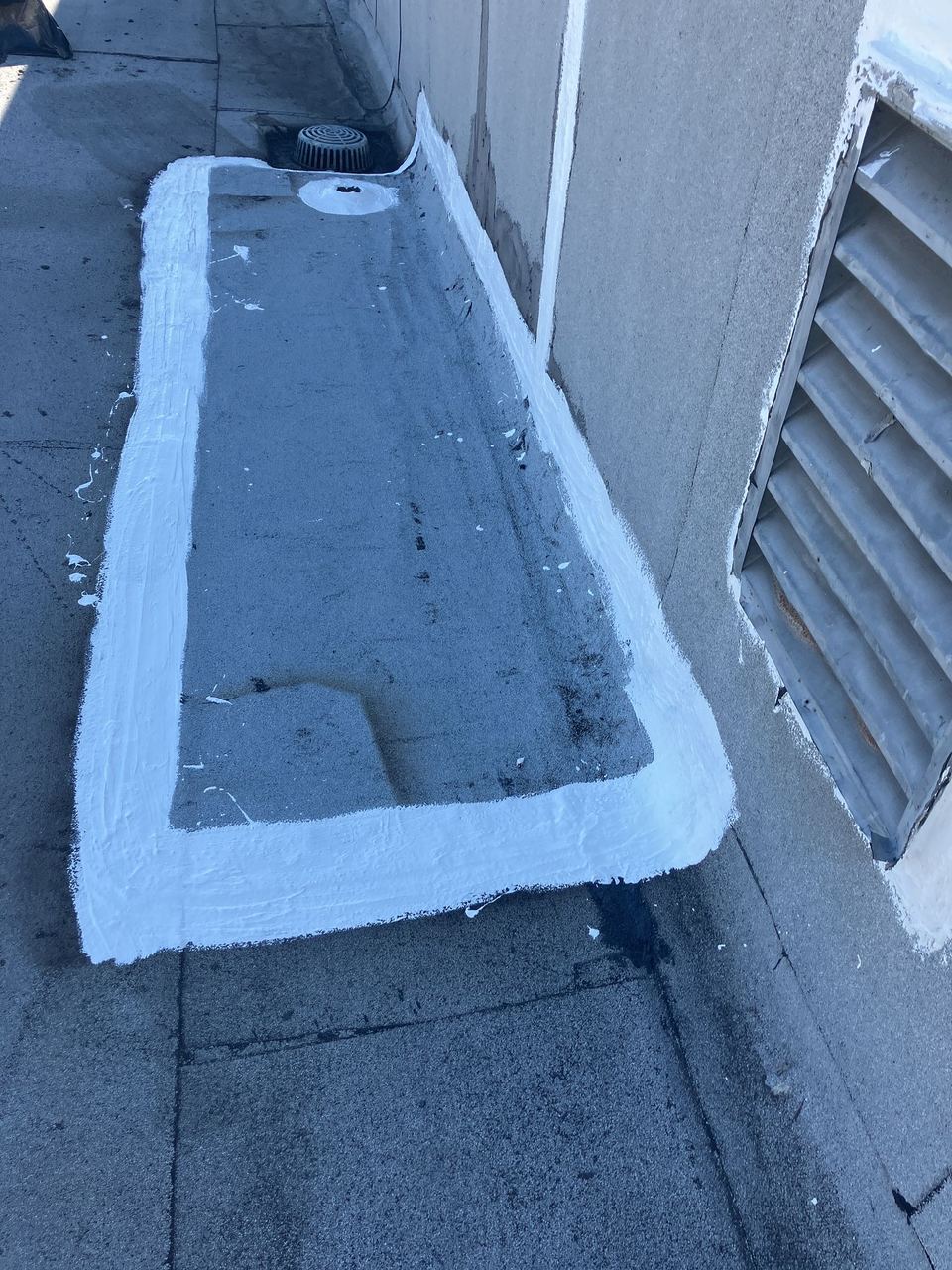
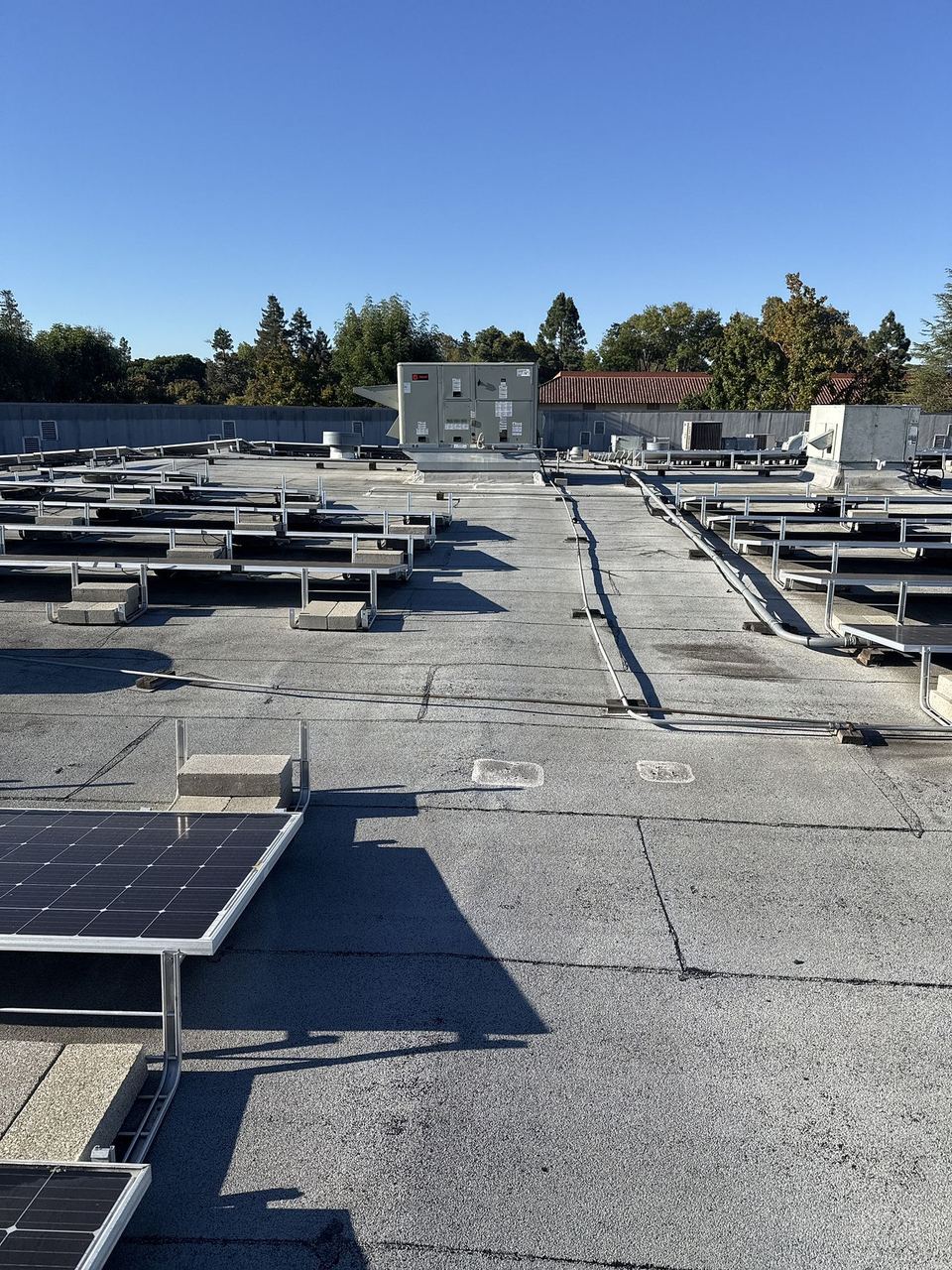
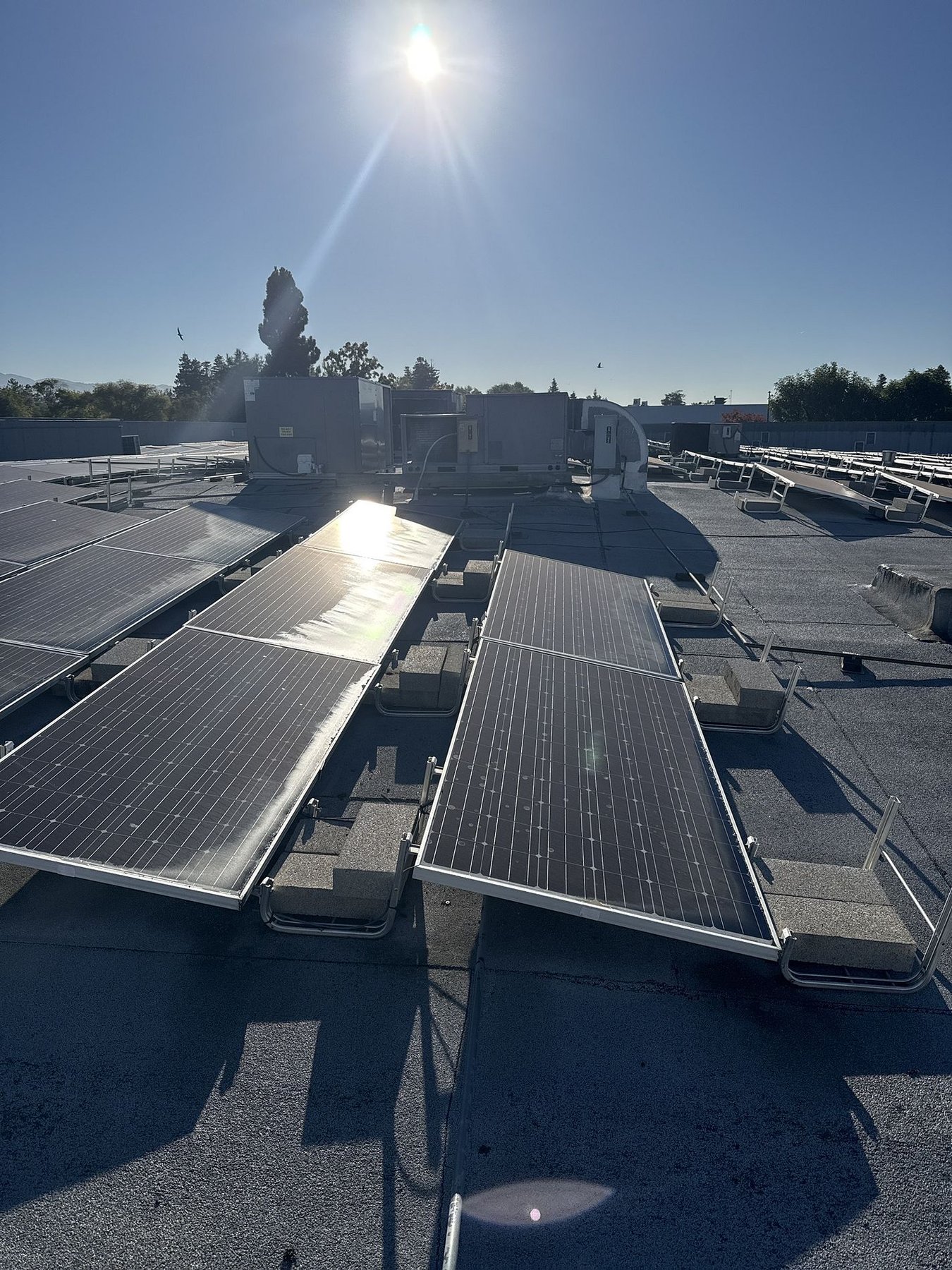
Factories and warehouses in Warm Springs and along 880 have huge, nearly flat roofs. Clogged drains that leave standing water, split seams and failed seals around crowded equipment and solar mounts are the usual problems.
Hillside Fire Exposure Above Mission Boulevard
Houses above Mission San Jose back onto wildland. The real threat in fire season is embers getting into vents or lighting dry debris in valleys, and how the roof is detailed decides the outcome.
From Hillside Custom Homes to Warm Springs Industrial Roofs
Why This Works Here
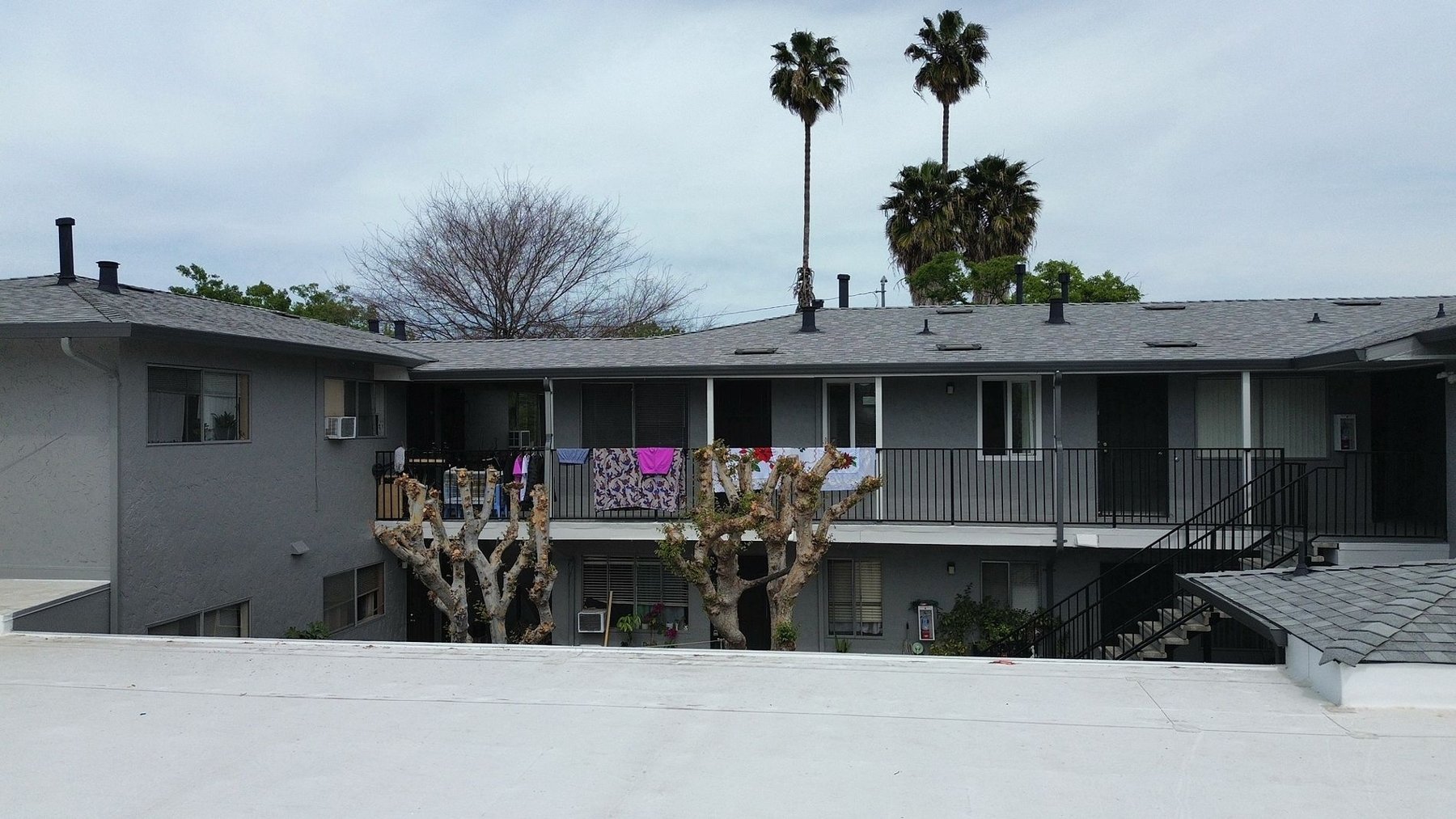
Not many roofers can serve all of Fremont. A crew that does houses is lost on a giant warehouse roof, and a commercial outfit tends to rush a delicate Niles repair. We have done both kinds of work for decades, which also lets us take on mixed-use and apartment buildings that need residential and commercial skills on the same structure.
Technical Installation Approach
For shingle homes we install architectural shingle, replace the flashing rather than reusing it, and check the attic venting. For tile homes we inspect the tile and the felt separately; when the tile is good, we relay it on new underlayment with self-adhered membrane in valleys, at eaves and around penetrations.
For homes close to the fault in Mission San Jose and Irvington, we change the details. Stiff joints just crack again, so we build roof-to-wall transitions and penetrations to allow a bit of give, and if a repeat leak is really a sign of the house moving, we say so plainly.
On factory and warehouse roofs, we install TPO or PVC single-ply or modified bitumen, or apply a silicone coating over a roof that is still sound. Drainage comes first: most standing water on these roofs comes from a clogged drain or a low spot created where equipment was set, not from a structural sag. Then come the seals around all the conduit, HVAC curbs and solar mounts that build up over the years. Before we recommend a coating, we test the insulation for moisture, because coating over wet insulation is one of the costliest mistakes a building owner can make.
In the Mission San Jose hills, every roof starts as a Class A assembly with ember-resistant vents, tight eaves and gutters that will not burn.
Expected Longevity & Value
Typical life spans in Fremont: architectural shingle 25 to 30 years; concrete tile 50 or more, with the underlayment relaid at about 25 to 30; designer shingle 40 to 50; standing seam metal 40 to 70; TPO and PVC 20 to 30; a silicone coating over a sound roof another 10 to 15. Near the bay around Ardenwood, ordinary metal parts wear out sooner.
Fremont's Climate
and Your Roof
Fremont sits between the bay and the hills, and roofs on each side face different weather.
Summer Heat & UV
Summers are warm, often 80 to 90°F, with the inland side near the hills and Warm Springs running hotter and the bay side cooler. Big flat roofs soak up a lot of heat, so white or reflective membranes make sense on them.
Winter Rainfall
Fremont gets about 16 to 20 inches of rain in an average winter, usually in clusters of storms. On the huge industrial roofs, drains have to be big enough and kept clear; one blocked drain on a roof that size sends a lot of water somewhere it should not go.
Bay Salt Air & Hillside Fire
Each end of the city has its own risk. On the bay side near Ardenwood, salty air rusts flashing, nails and gutters faster than standard parts are built for. Up above Mission Boulevard, fire season makes Class A roofs and ember-resistant details the right starting point.
Practical Implications
In short: rust-resistant metal near the bay, ember-resistant details in the hills, clean drains on big commercial roofs, reflective membranes where the roof is flat, and on homes near the fault, a real look at why a leak keeps coming back instead of the same patch again.
Where We Work
in Fremont
Mission San Jose
Hillside custom homes with steep pitches, complex geometry and genuine wildland fire exposure.
Niles
Historic district with older housing stock and period character worth preserving.
Ardenwood
1970s–90s subdivision housing near the bayfront, with added salt exposure on metal components.
Warm Springs
Industrial, manufacturing and logistics buildings with very large low-slope roof areas.
Irvington & Centerville
Established mixed residential along the fault line, mostly shingle and tile re-roof work.
Glenmoor & Sundale
Mid-century tract housing, straightforward architectural shingle territory.
How We Handle Roofing
in Fremont
Fremont Permit Path
Fremont re-roof permits go through the City of Fremont Building & Safety Division, and we file them and book the inspections. If your parcel is on unincorporated Alameda County land near the city line, the county handles it instead, so we check first.
A Thorough Look First
On homes we check the roof, the attic and the roof-to-wall joints near the fault; on commercial roofs we walk the drains, seams and equipment curbs. We bring samples so you can see the real product.
A Fixed Number in Writing
You get a written scope and a fixed price before we begin, plus the per-sheet rate for any decking that needs replacing once the old roof is off.
Planned Around Your Site
On a hillside lot, an Ardenwood cul-de-sac or an occupied warehouse, we plan access, staging and working hours around the people using the space. Hidden details are photographed before they are covered, and the site is swept for nails before we leave.
Why Fremont Property Owners
Choose Us
We Genuinely Do Both Ends of This Market
A Mission San Jose custom home and a big Warm Springs warehouse need different crews and different know-how. We have both, which is especially handy on apartment and mixed-use buildings that need both on one roof.
We Recognize Fault Movement for What It Is
A leak that keeps coming back near the Hayward Fault can be the building moving, not a roofing failure. We will tell you so rather than charge you for the same repair again.
Substrate Checked Before Any Coating
A coating applied over wet insulation seals the water in and rots the deck. On commercial roofs we confirm the insulation is dry before we propose a coating.
Family-Owned and Licensed
We are a family company founded in 1952, licensed under CSLB #1118418, fully insured and rated A+ by the BBB. The people who put on your roof will be the people who answer if you need us down the road.
What We Do
for Fremont Homes & Businesses
Recent Keith Roofing
Projects