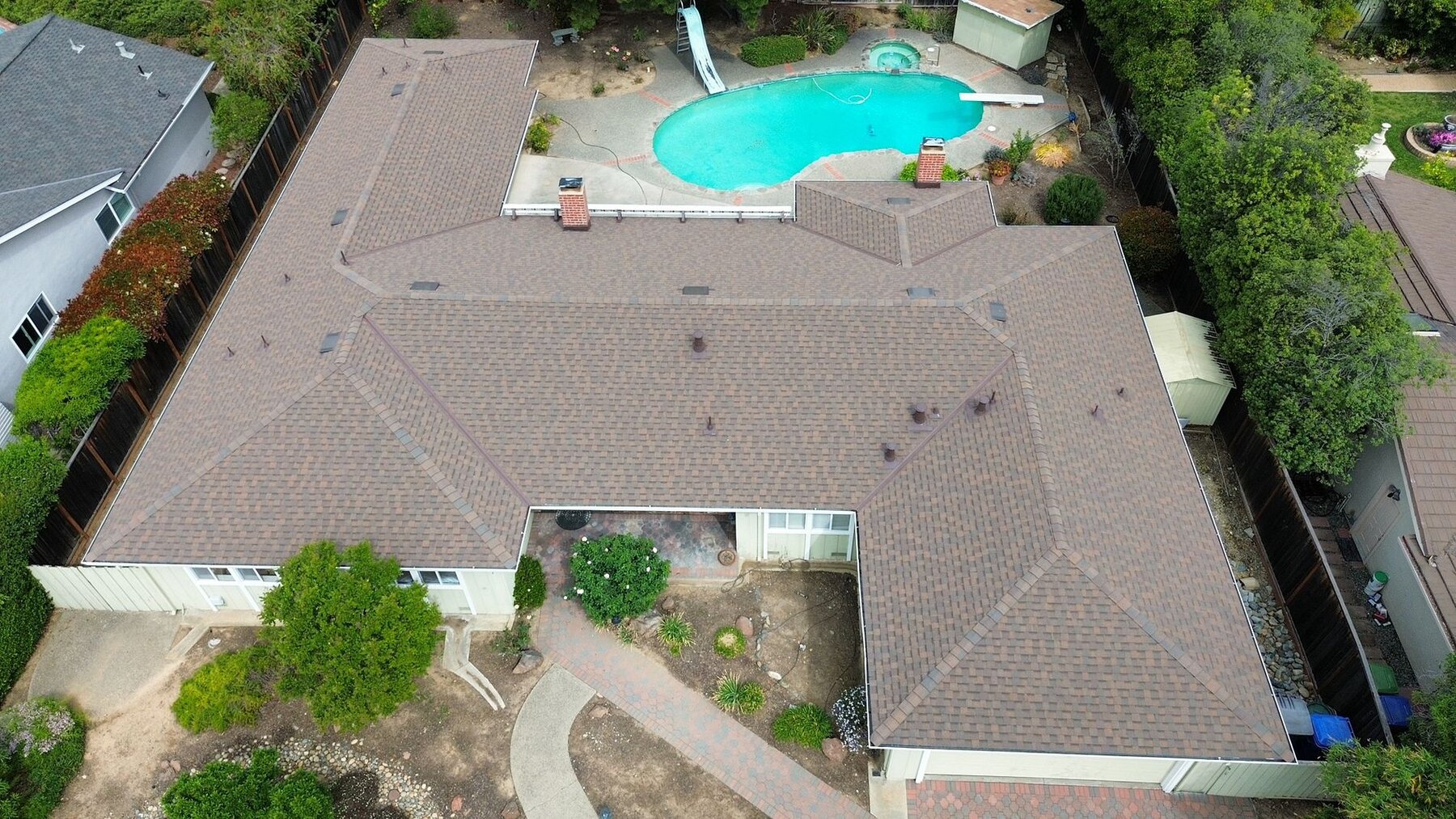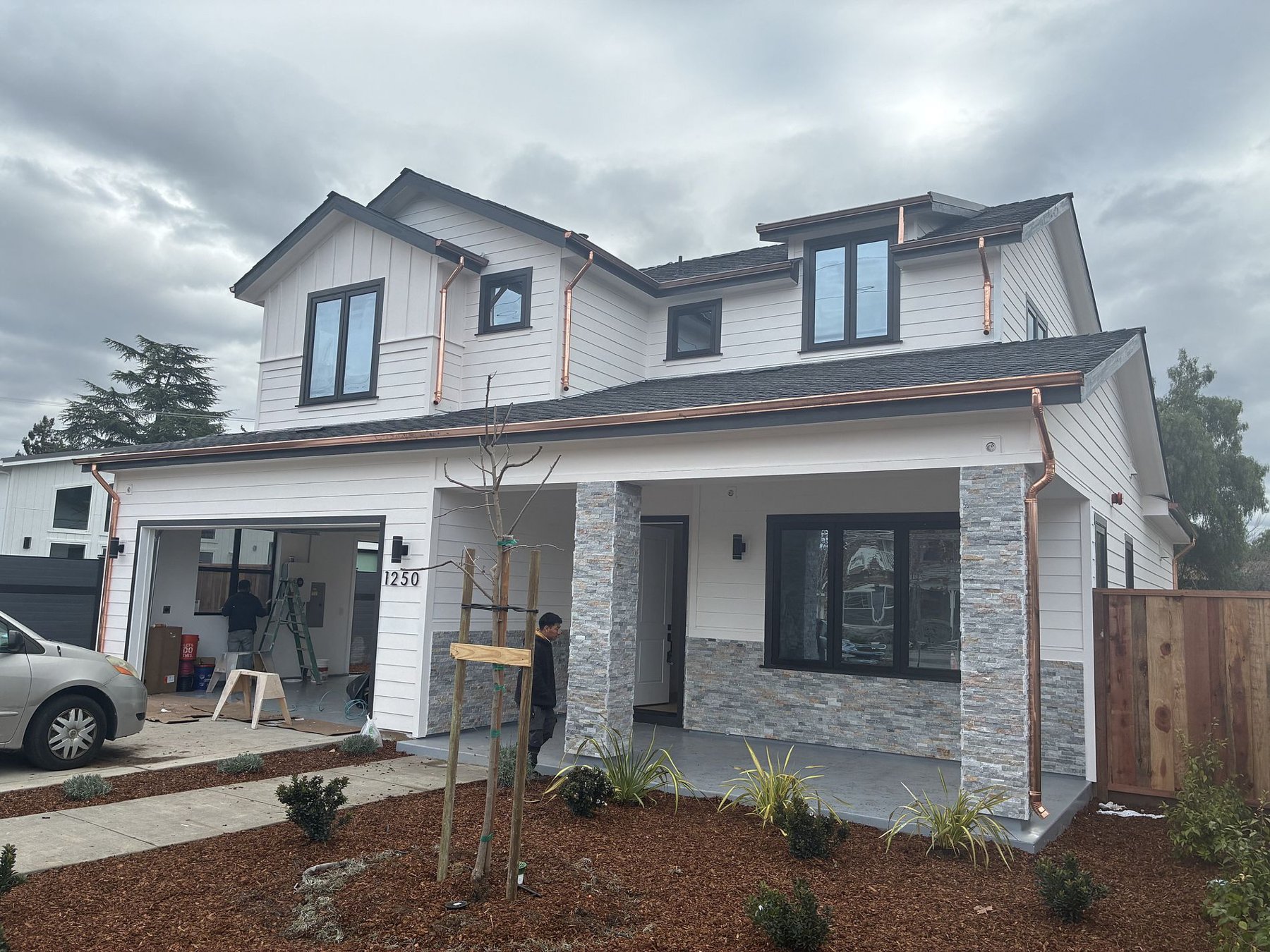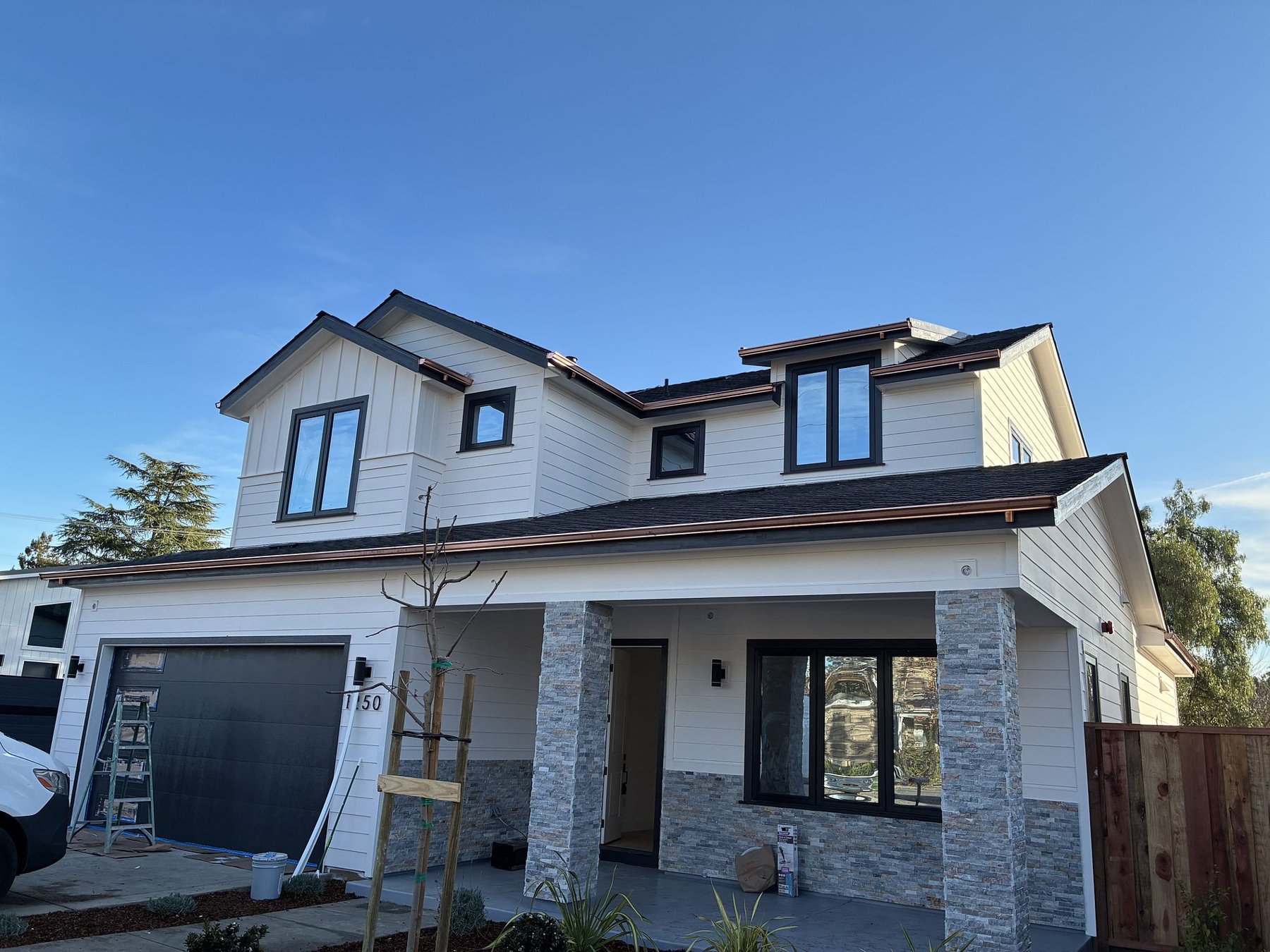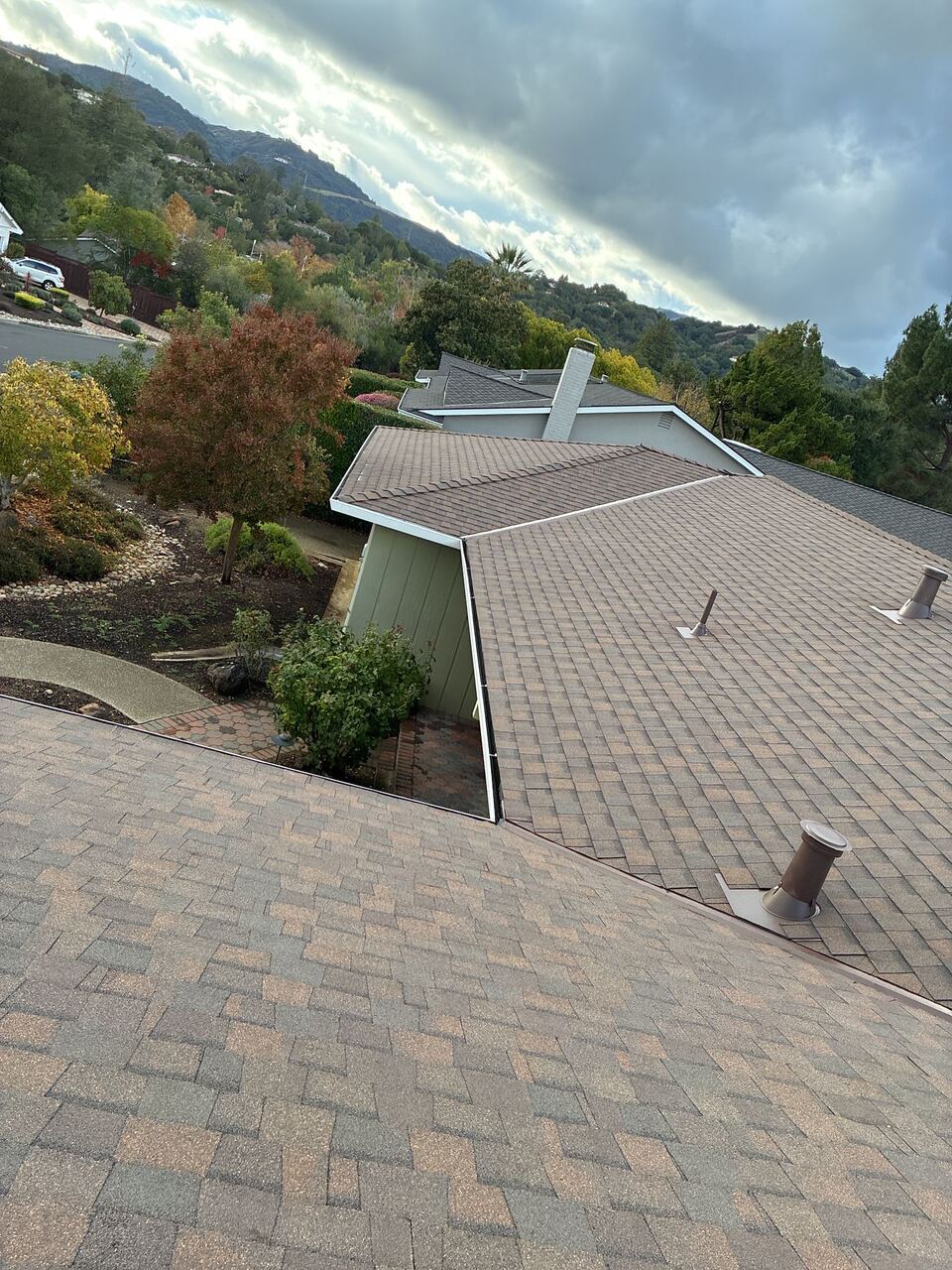
This is what your insurer is actually looking at, what California law gives you when a letter arrives, and how to tell the difference between a roof problem and an insurance problem.
Why Your Roof Suddenly Matters to Your Insurer
For most of the last 74 years, a South Bay homeowner's roof and their insurance policy were separate topics. That is no longer true. California carriers have moved roof age and roof condition to the front of the underwriting file, and homeowners across Santa Clara County have found out the hard way — usually by opening an envelope.
There is genuinely good news underneath this. The California Department of Insurance reported in May 2026 that Farmers, the state's second-largest home insurer, had joined the Commissioner's Sustainable Insurance Strategy and dropped its monthly cap on new homeowners business — bringing six of the state's ten largest home insurance groups into commitments to grow here. The same announcement noted the FAIR Plan added roughly 16,000 residential policies in the first quarter of 2026, about 2.4 percent growth, down sharply from the 35,000 to 50,000 per quarter it absorbed through 2024 and 2025. Homeowners are moving back to ordinary carriers.
But those carriers are choosier than they were, and the roof is the most visible thing about your house from an aerial photograph.
What “Roof Age” Actually Means to an Underwriter
An underwriter is not asking whether your roof leaks today. They are pricing the chance it leaks during the policy year, and age is the cheapest proxy they have for that.
In practice, carriers writing in California commonly start asking questions about an asphalt shingle roof somewhere in its third decade, and some will not write a new policy on one at all past a certain age. The thresholds are not set by law and they vary widely between carriers — which is exactly why you should ask yours, in writing, what its guideline is rather than trusting a number you read online. Concrete tile and slate are usually treated more generously, because the covering genuinely lasts longer.
Two things follow. First, the age on file may simply be wrong: if you re-roofed in 2016 and the carrier still has the house down as original 1998 construction, a permit record fixes that. Second, condition can sometimes beat age — a documented inspection with photographs can persuade an underwriter that a roof with years left is worth keeping on the books. It does not always work, and it costs very little to try.
If you are unsure where your own roof stands, our guide to how long a roof actually lasts in San Jose breaks service life down by material, and the signs a roof is genuinely finished covers what you can see from the ground.
The Non-Renewal Letter and What the Law Gives You
First, read the letter carefully, because two very different things get confused. A cancellation ends a policy mid-term and California allows it only in narrow circumstances. A non-renewal simply declines to offer you another term when this one expires. Almost every roof-related letter is the second kind.
That distinction matters because of the runway. Under California Insurance Code §678, an insurer must deliver or mail a notice of non-renewal to the named insured at least 75 days before the policy expires. That is not a courtesy — it is a statutory minimum, and it exists so you have time to fix the problem or find another carrier.
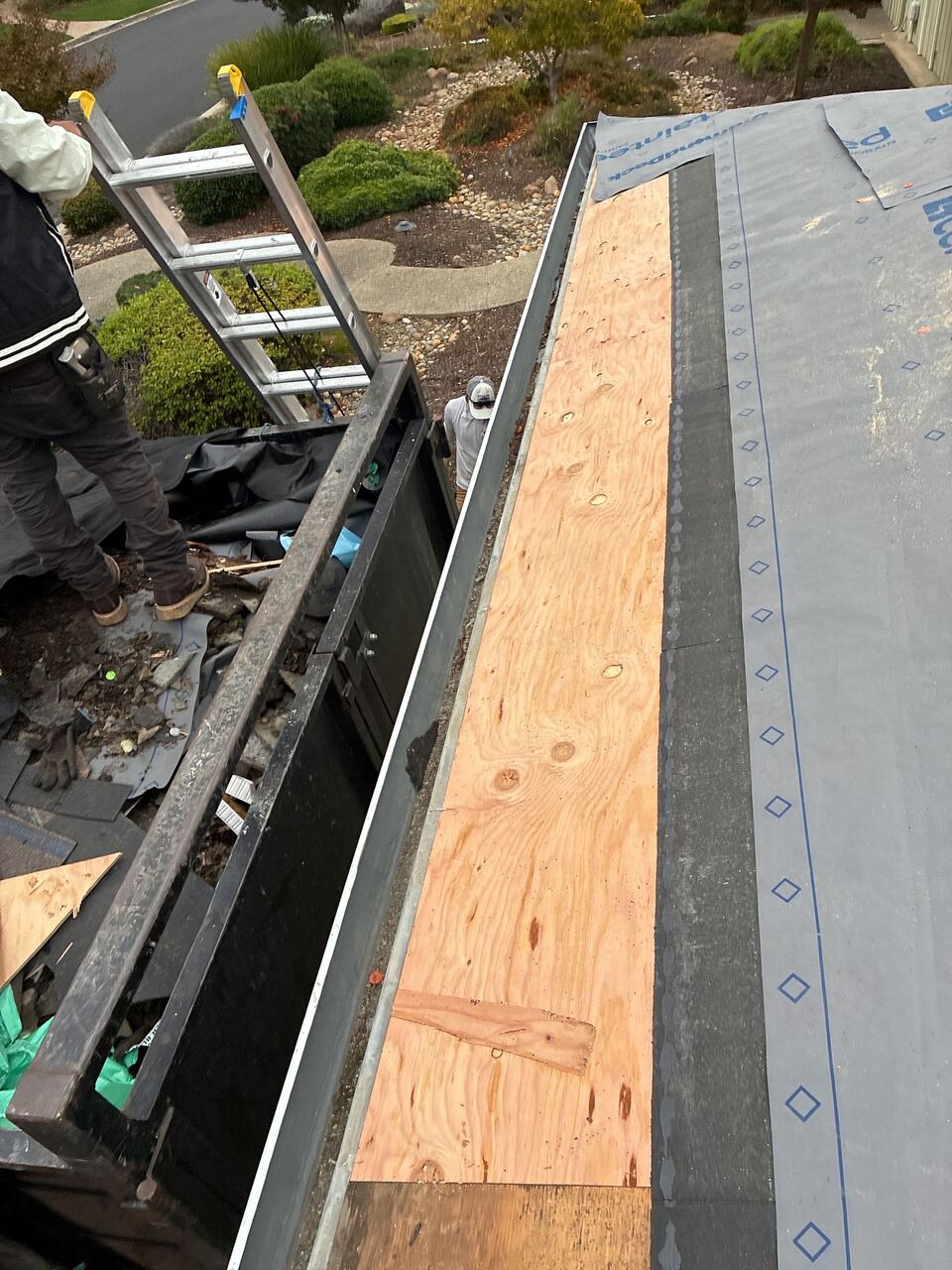
Seventy-five days is enough to get an inspection, get bids, and in most cases get a re-roof scheduled and finished. It is not enough to do all of that after you have spent six weeks hoping the letter was a mistake. If the notice names the roof, start the same week. Book a roof inspection in San Jose first, so your agent has a written report to put in front of the underwriter.
Before you call anyone else, call your agent. Ask three questions and write the answers down: what specifically about the roof triggered this, what would satisfy the underwriter, and would a licensed contractor's inspection report be considered. Sometimes the answer is a full replacement. Sometimes it is a repair, a cleaning, or a corrected roof-age record.
What Your Policy Covers — and What It Never Has
The most expensive misunderstanding in roofing is the belief that homeowners insurance is a roof warranty. It is not, and it never was.
A standard homeowners policy covers sudden and accidental damage: fire, a windstorm that tears shingles off, a limb coming through the deck. It excludes wear, deterioration and lack of maintenance. A 28-year-old shingle roof that has quietly reached the end of its service life is a maintenance expense you own, no matter how much water is coming through the ceiling.
In our climate this line gets drawn in a particular place. The South Bay does not get the hailstorms that drive claims in other states. What we get is a long dry season that bakes and embrittles a roof, then a concentrated wet season that finds every weakness at once — plus fire, which is a genuine covered peril here and one we have repaired more than once. Our Saratoga fire damage repair is the kind of job insurance is genuinely built for.
The practical version: if a specific event damaged your roof on a specific day, that is a claim. If your roof got old, that is a project. Confusing the two wastes months.
Actual Cash Value vs. Replacement Cost — the Line That Costs Real Money
If you do have a covered loss, one clause in your policy decides how much of the bill you carry, and most homeowners have never read it.
Actual cash value (ACV) pays what it would cost to repair or replace the damage less a fair and reasonable deduction for physical depreciation — that is the standard California Insurance Code §2051 sets. On a roof three-quarters of the way through its life, that deduction is not a rounding error. It can be most of the cheque.
Replacement cost (RCV) pays the depreciation back, but typically only after the work is actually completed and invoiced. The sequence catches people out: the insurer pays actual cash value first, you complete the job, then you recover the difference.
California gives you room to do that. Under Insurance Code §2051.5, an insurer cannot impose a time limit shorter than 12 months from the first actual-cash-value payment for you to collect the full replacement cost — and for a loss that occurred during a declared state of emergency, that floor rises to 36 months. If permit delays or material shortages outside your control get in the way, the statute also requires additional six-month extensions for good cause.
Two things worth doing before you ever have a loss: find out which of the two your policy carries, and check whether it has a separate roof schedule that steps a shingle roof down to actual cash value after a certain age. That schedule is where an apparently good policy quietly becomes a partial one.
The FAIR Plan Is a Floor, Not a Plan
If no ordinary carrier will write your house, the California FAIR Plan will. It is the state's insurer of last resort and it is a real safety net — but it is deliberately basic, and roof condition shapes what you can get from it.
The FAIR Plan's dwelling policy is narrow by design, and replacement-cost coverage on the structure is an optional addendum rather than something you automatically have. Eligibility depends on the age of the home and when the roof was last replaced, so a house carrying its original roof may only qualify for actual cash value. Your broker can tell you exactly where your property falls — ask before you assume.
Most people also need a separate “difference in conditions” policy alongside it to restore liability and water-damage coverage, which means two premiums. Given that, and given that the market is loosening again, treat the FAIR Plan as somewhere to stand while you fix the underlying problem — not a destination.
If You Do File a Claim, California Gives Your Insurer a Clock
Homeowners often assume a claim moves at whatever pace the adjuster feels like. It does not. The Fair Claims Settlement Practices Regulations (10 CCR §2695) put specific deadlines on your insurer:
• 15 calendar days to acknowledge your claim and send you the necessary forms
• 40 calendar days after receiving proof of claim to accept or deny it, in whole or in part
• 30 calendar days to pay amounts that are not in dispute once the claim is accepted
• A written status update every 30 days for as long as the claim remains open past that point
Knowing those numbers changes the tone of the conversation. Put your requests in writing, keep a dated log of every call, and if the deadlines pass without an answer you can file a complaint with the California Department of Insurance. You do not need a lawyer to do that, and carriers are aware of it.
Documentation Is the Whole Game
Whether you are fighting a non-renewal or filing a claim, you are trying to replace an underwriter's assumption with evidence. The homeowners who do well at this are simply the ones with a file. Worth having, ideally before you need it:
• Dated photographs of the roof in good condition, taken from the ground each year
• The permit record from your last re-roof, which fixes the roof's age beyond argument
• Invoices and material specifications — which shingle or tile, which underlayment
• A written inspection report with photographs and a remaining-service-life assessment
• Maintenance records: gutter cleanings, minor repairs, debris removal after a storm
That last group matters more than people expect, because the exclusion your carrier is most likely to lean on is deferred maintenance. Records take that argument off the table. A roof inspection is where most of this comes from — we issue written reports with photographs in formats that lenders, agents and underwriters accept, and if the roof is fine the report says so. That is frequently the whole solution.
Repair Now, or Replace Now?
When a carrier flags the roof, the honest answer is not always “replace it.”
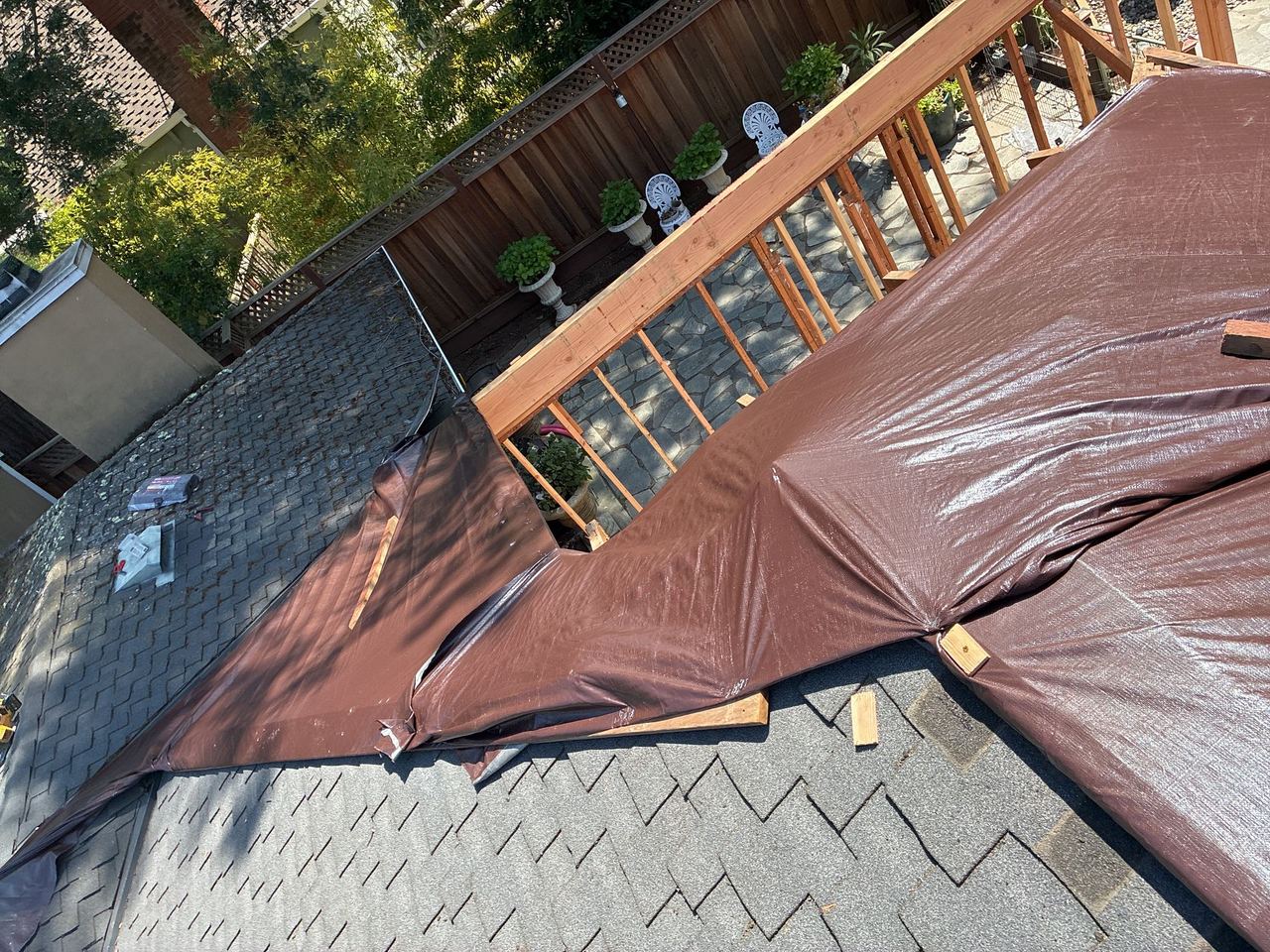
Targeted repair is usually the right call when the covering has real life left and the problems are localised — failed flashing at a chimney or wall, a handful of cracked tiles, a valley that was done badly. Tile is particularly worth repairing, because the tile itself often outlives two or three sets of underlayment beneath it. Roof repair can buy a decade on a tile roof for a fraction of a re-roof.
Full replacement is the right call when the covering itself is at the end of its life, when repairs are becoming an annual event, or when the underwriter has simply told you what it will take. In that case the insurance pressure is really just a deadline attached to something you were going to do anyway. Our roof replacement page walks through how the process runs, and if the timing is the hard part rather than the decision, we outline financing options as well.
The deciding question is not the roof's age. It is whether the money you would spend on repairs buys enough years to be worth spending.
Two Things Not to Do
Do not let anyone “handle” your deductible. A contractor offering to waive or absorb it has to recover the money somewhere, and that somewhere is an inflated invoice submitted to your insurer. That is insurance fraud, and your signature is on the claim.
Do not sign your claim over to a roofer. Assignment-of-benefits agreements hand away control of a settlement on your own house. A roofer's job is to document the damage accurately and scope the repair honestly; adjusting the claim is a separate, separately licensed activity.
Both offers tend to arrive with a stranger at the door after a storm or a fire — exactly when homeowners are least inclined to slow down. Our guide to hiring a roofing contractor in San Jose covers verifying a C-39 licence with the CSLB and the rest of the checklist.
Where This Leaves a South Bay Homeowner
Find out how old your carrier thinks your roof is, and correct it if it is wrong. Read your policy for the words “replacement cost,” and for any roof schedule hiding behind them. Keep a file of photographs, permits and invoices. If a non-renewal notice arrives, use the 75 days rather than the last 10 of them.
None of that requires spending money on a roof you do not need — most of it is a phone call and a folder. The homeowners who get surprised by this are almost never the ones who looked early.
Keith Roofing Company has been roofing San Jose and the surrounding South Bay — including Los Gatos, Campbell, Saratoga and the Almaden foothills — since 1952, and we have written a lot of inspection reports for underwriters over those years. If you have a letter in hand or a roof you are unsure about, schedule a free estimate or call (408) 295-8616.
Frequently Asked Questions
Need professional help with your roof? Keith Roofing Company has been serving San Jose and the South Bay since 1952. We offer free estimates, honest recommendations, and work that's backed by BBB A+ Accreditation and CSLB License #1118418. Schedule a free estimate or call (408) 295-8616.