Here is the checklist we’d want a member of our own family to use before hiring any roofer in San Jose — including us.
Start With the License — and the Right Class
California licenses contractors by trade, and roofing has its own classification: C-39. A general contractor holding a B license can legally contract for a re-roof, but C-39 is the classification issued specifically for roofing work, and it is what you want to see on a roofing job.
This matters here more than people expect. After a wet winter or a bad fire season, out-of-area crews turn up across Santa Clara County chasing volume — and some are working under someone else's license, or none at all. The truck always looks fine. The paperwork is where it comes apart.
Ask for the number in writing, on the estimate, not spoken over the phone. Licensed contractors are required to put it on their written proposals anyway, so hesitation tells you something useful.
How to Verify a License in Two Minutes
Go to cslb.ca.gov and use the Contractors State License Board's “Check A License” lookup. Enter the number and you will see:
• Whether the license is active — not expired, not suspended
• The business name and personnel it is issued to
• The classifications held — look for C-39
• Bond status, and whether workers' compensation is on file
• Any disclosed disciplinary history
The name mismatch is what catches people. If your estimate says one company and the license belongs to a different entity, stop and ask why. Sometimes there is a good answer. Often there isn't.
Ours is CSLB License #1118418 — we would rather you looked it up than took our word for it.
Insurance Is a Separate Question
A license is not insurance, and homeowners routinely assume the first covers the second.
You want two policies: general liability, covering damage to your property, and workers' compensation, covering injuries to the crew. Roofing is genuinely dangerous work done two stories up on a slope. If an uninsured worker is hurt on your roof, that exposure can land on your homeowners policy.
Don't take a verbal assurance. Ask for a certificate of insurance sent directly from the contractor's insurance agent, listing you as certificate holder. It costs the contractor nothing, and it means you are looking at a policy that is current rather than one that lapsed in March.
The Permit: San Jose's 25 Percent Rule
San José draws a clear line between a repair and a re-roof. A building permit is required when 25 percent or more of the roof is re-roofed in any 12-month period. Below that, the work counts as a repair and no permit is needed.
Two things follow. Any full replacement is well over the threshold, so the permit is not optional. And because the rule covers any 12-month period, a roof cannot be split into a series of small permit-free repairs to dodge it. If someone proposes doing your roof “in sections,” that is not a clever workaround — it is a compliance problem you would own.
Permits run through SJPermits.org, where fees are paid, inspections scheduled, and permit status and records looked up. That record is what proves the work was done properly when you sell the house or file an insurance claim. Neighboring South Bay cities run their own building departments, so a roofer working across Campbell, Saratoga and Los Gatos should be able to tell you how each one handles it.
Who Pulls the Permit Matters
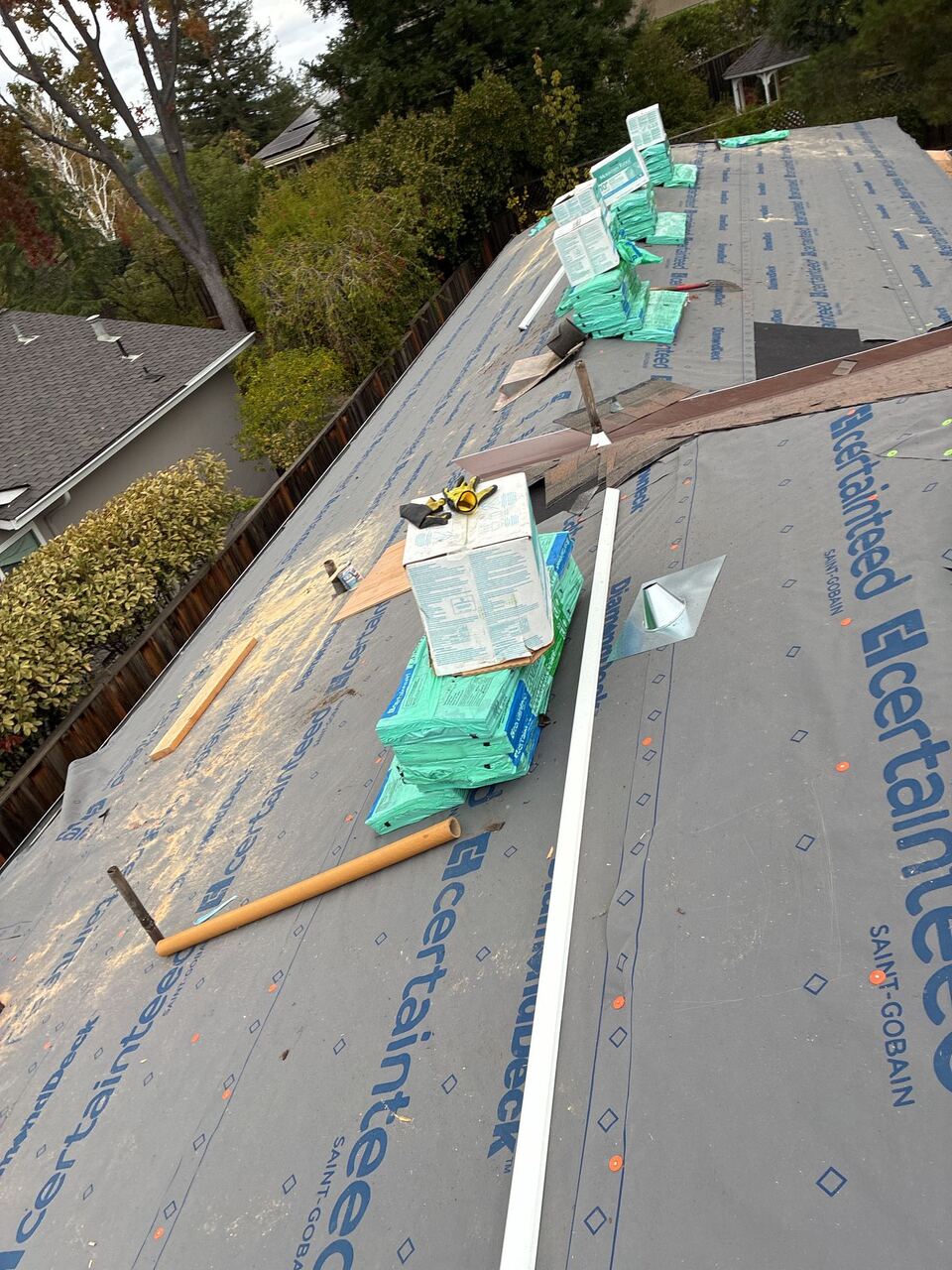
The permit should be pulled by your contractor, in your contractor's name. If a roofer asks you to pull it as an owner-builder, treat that as a warning.
Signing that application makes you responsible for the project — code compliance, inspections, and liability if someone is hurt on your property. If a subcontractor turns out to be unlicensed or uninsured, that can come back through your homeowners policy. And with the contractor's license no longer attached to the permit, what the CSLB can do for you if the job goes wrong is limited.
Contractors who ask are usually solving a problem of their own. Legitimate roofers pull their own permits.
What California Law Says About Your Deposit
This is the most useful number a homeowner can carry into a roofing estimate.
On a California home improvement contract, the down payment cannot be more than $1,000 or 10 percent of the contract price, whichever is less. Whichever is smaller — not either one.
Run it on a real job. An architectural shingle re-roof on a 1,600–2,400 square foot San Jose home runs $12,000–$24,000+ depending on pitch, complexity and material. Ten percent of $18,000 is $1,800, but the cap is the lesser figure — so the maximum lawful deposit is $1,000. On a $22,000–$40,000+ concrete tile re-roof, still $1,000.
There is no carve-out for special-order materials, and renaming it doesn't help: a “material deposit” or “mobilization fee” collected before work begins is still a down payment. After that, payments follow a written schedule and cannot exceed the value of work actually completed.
A roofer asking for half up front is not offering you a deal.
What the Contract Has to Include
Get it in writing, then check that the writing is complete. A California home improvement contract should include:
• A detailed description of the products used and how the work will be performed — shingle or tile line, underlayment, flashing, ventilation, and what happens to the existing roof
• A written payment schedule tied to work completed
• Written direction on who obtains the permits
• A date of completion
• A requirement that any change to price or scope go through a written change order, signed by both parties before the change
That last one prevents the most common roofing dispute there is. Tear-offs reveal things — dry rot, failed flashing, sheathing that has been quietly wet for years. Good roofers expect some of that and tell you up front how it gets priced. A verbal “we'll take care of it” becomes a surprise invoice; a signed change order does not. Our roof replacement page walks through the process.
Comparing Bids Without Getting Fooled
Three bids on the same roof can differ by thousands and all be honest — because they are not describing the same job. Compare the specifics, not the totals:
• Tear-off or overlay? Roofing over existing shingles is cheaper now and costs more over the life of the roof
• What underlayment and flashing? This is where cheap bids get cheap, and it is invisible from the street afterward
• Is dry-rot repair priced or excluded?
• Whose warranty, and how long? Manufacturer terms often depend on installer certification
• Does the price include the permit and disposal?
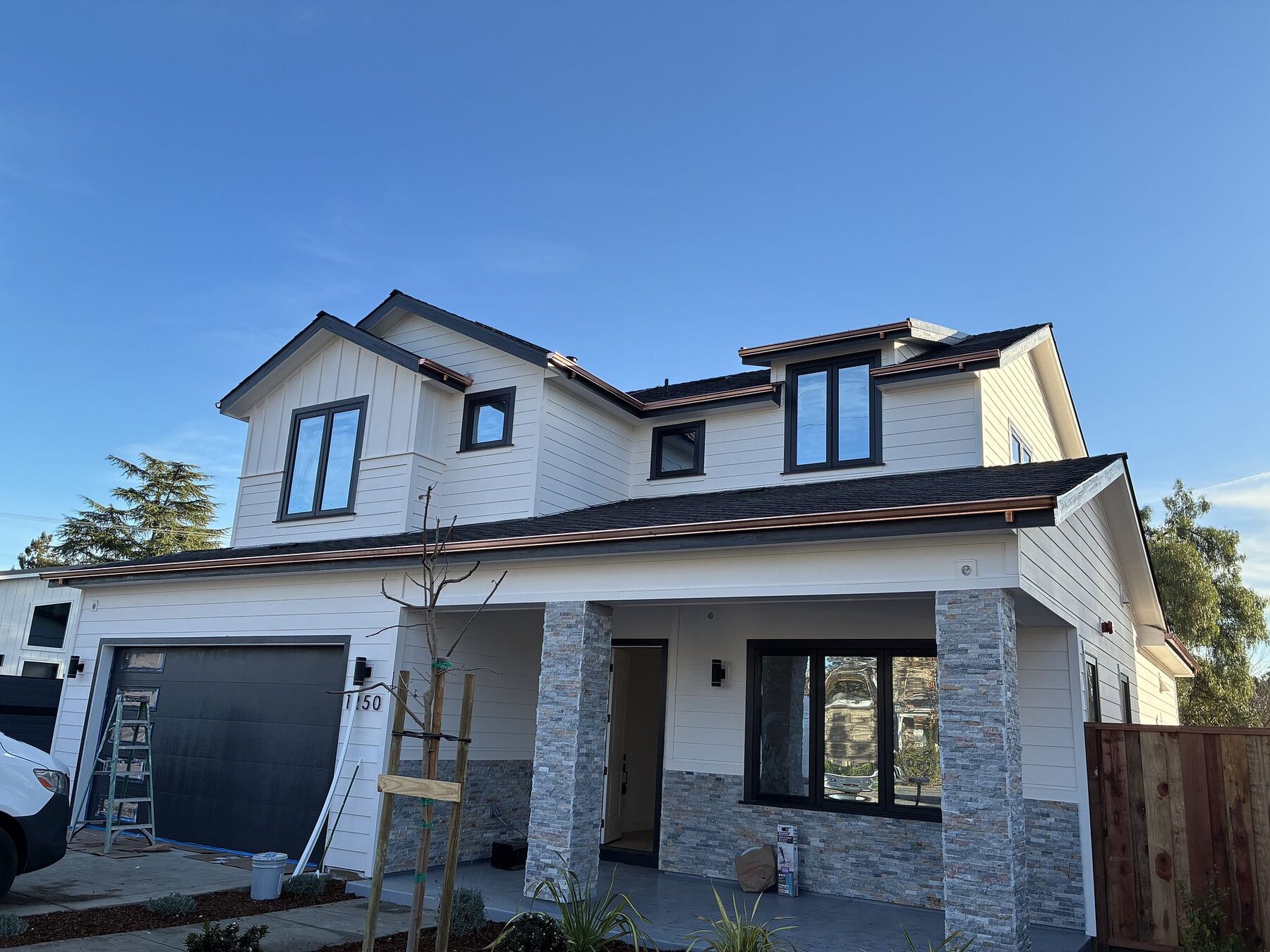
Material choice also interacts with the state energy code — cool-roof requirements under Title 24 can affect which products qualify, and our Title 24 cool-roof guide covers how that plays out locally. If you are still choosing materials, our shingle versus concrete tile comparison lays out the trade-offs for South Bay homes.
Red Flags Worth Walking Away From
None of these are subtle, and all of them show up in this market:
• Door-knocking after a storm with an offer that expires today
• Pressure to sign now
• A large cash deposit, or any request above the legal cap
• Asking you to pull the permit
• No local history — ask how long they have worked in Santa Clara County
• A license number they won't put in writing
• A one-page estimate with no product names on it
• An offer to “handle” your insurance claim or waive your deductible
The reverse is worth naming too. A roofer who tells you the roof has five good years left, and talks you out of buying one today, is showing you how they will behave when something expensive turns up mid-project. If you are not sure where yours stands, a roof inspection is the right first step — and our guide to the signs a roof is genuinely done covers what to look for yourself.
Questions to Ask Before You Sign
Bring these to the estimate. The answers, and how readily they come, tell you most of what you need to know:
• What is your CSLB number, and what classifications do you hold?
• Can your agent send me a certificate of insurance?
• Will you pull the permit, and is it included in this price?
• Are the crews employees or subcontractors — and are the subs licensed and insured?
• What underlayment and flashing, by name?
• What happens, in writing, if you find dry rot during tear-off?
• What does your workmanship warranty cover, separate from the manufacturer's?
• Can I see a job you finished near me?
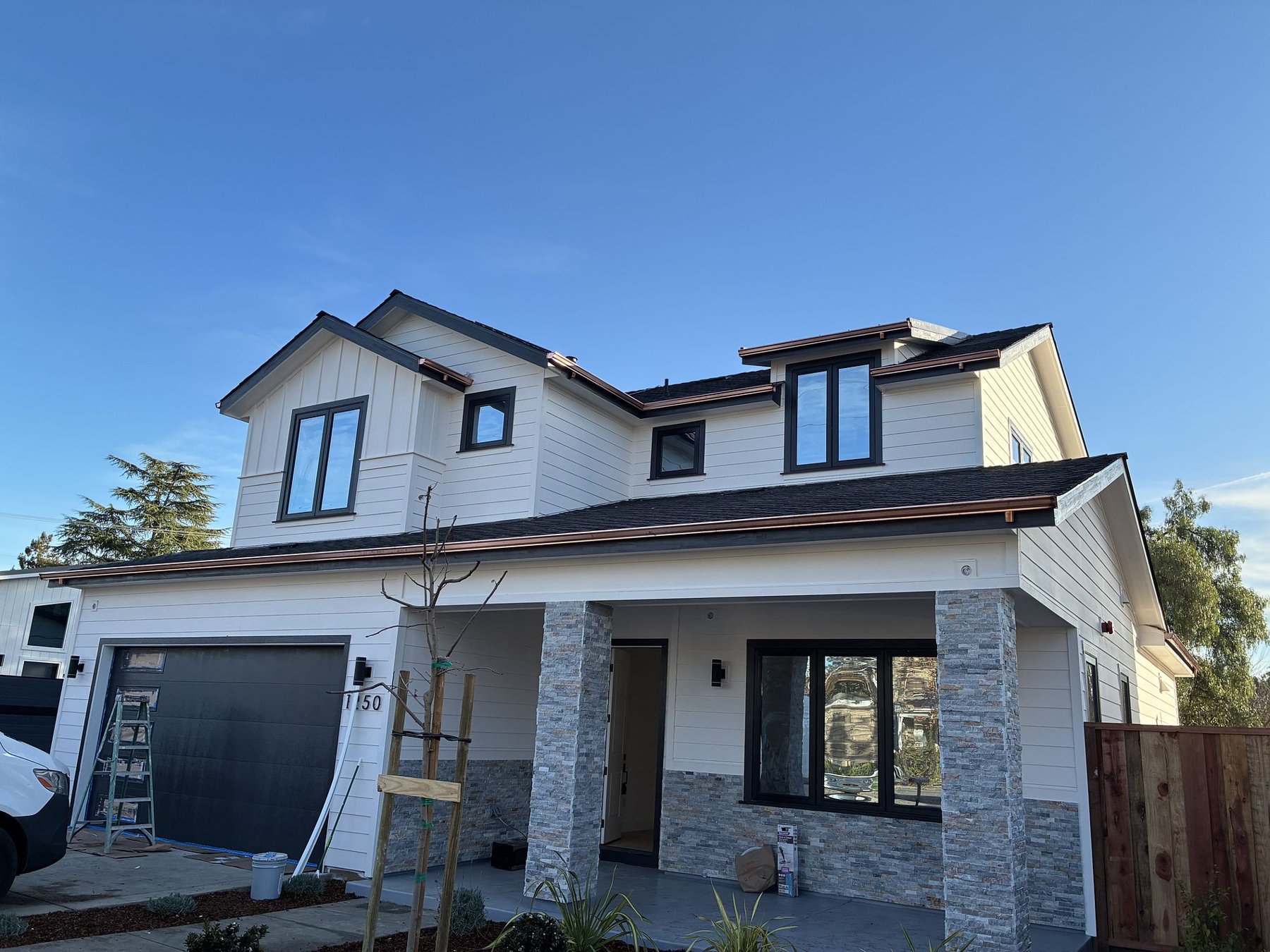
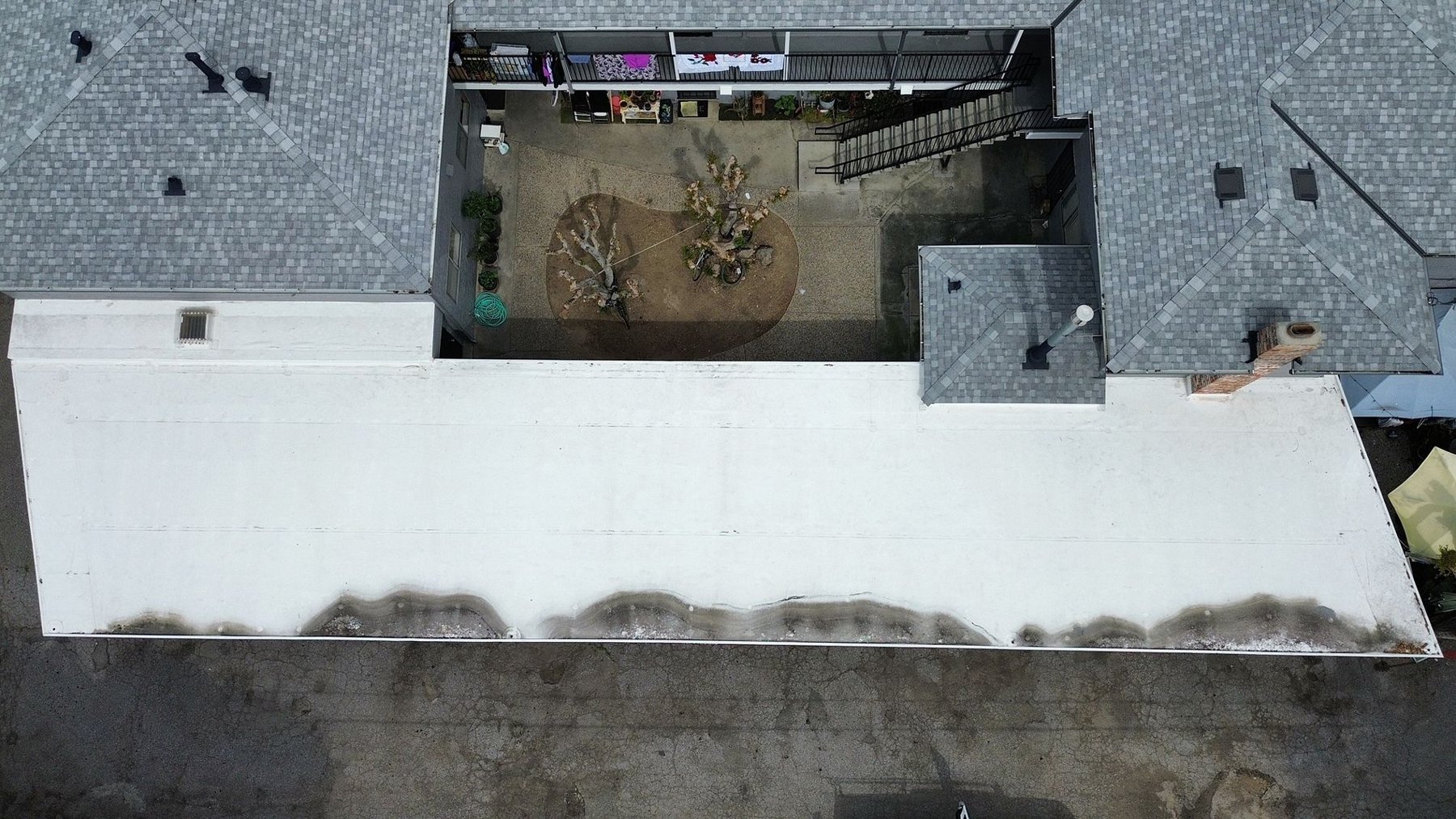
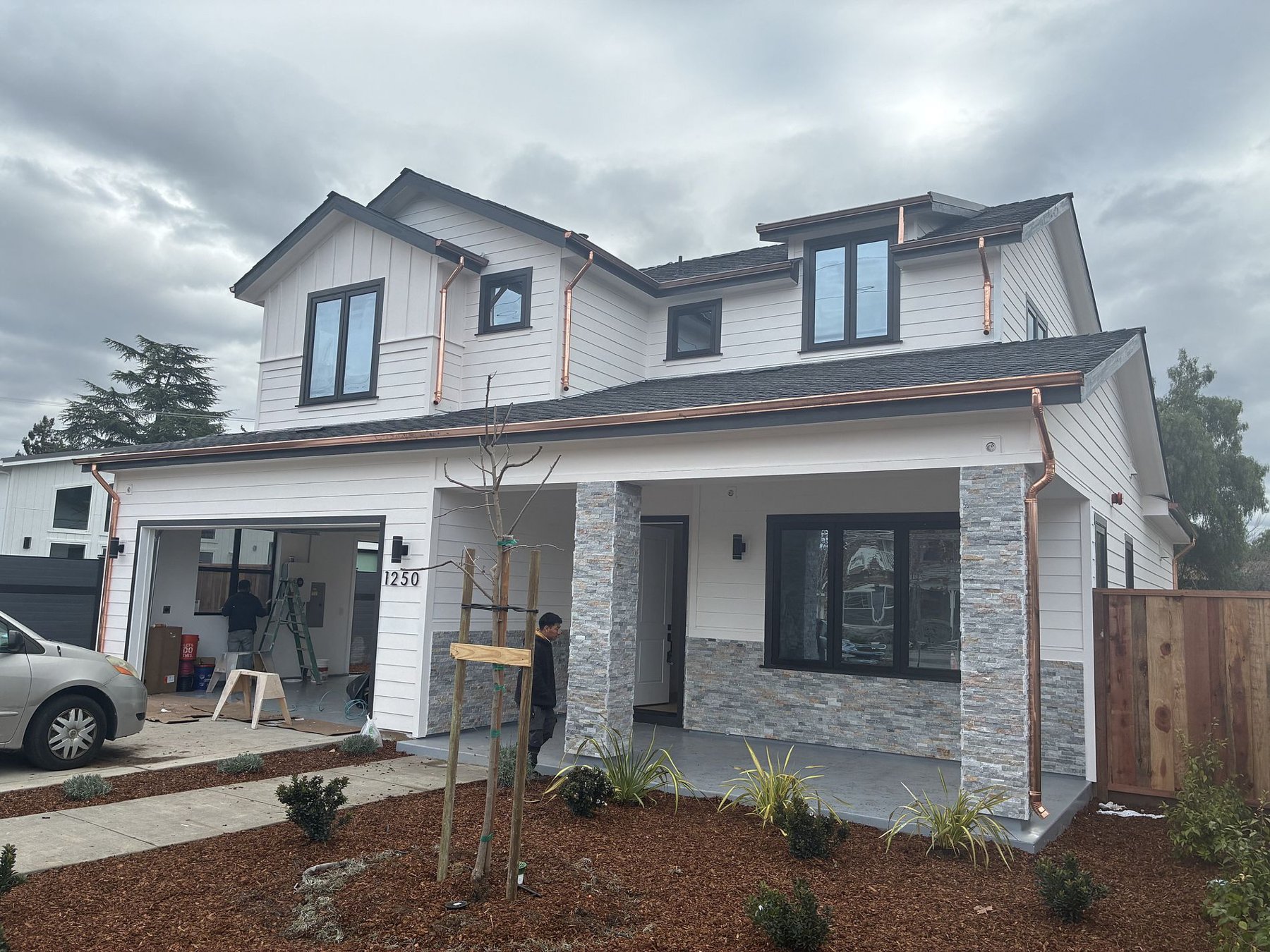
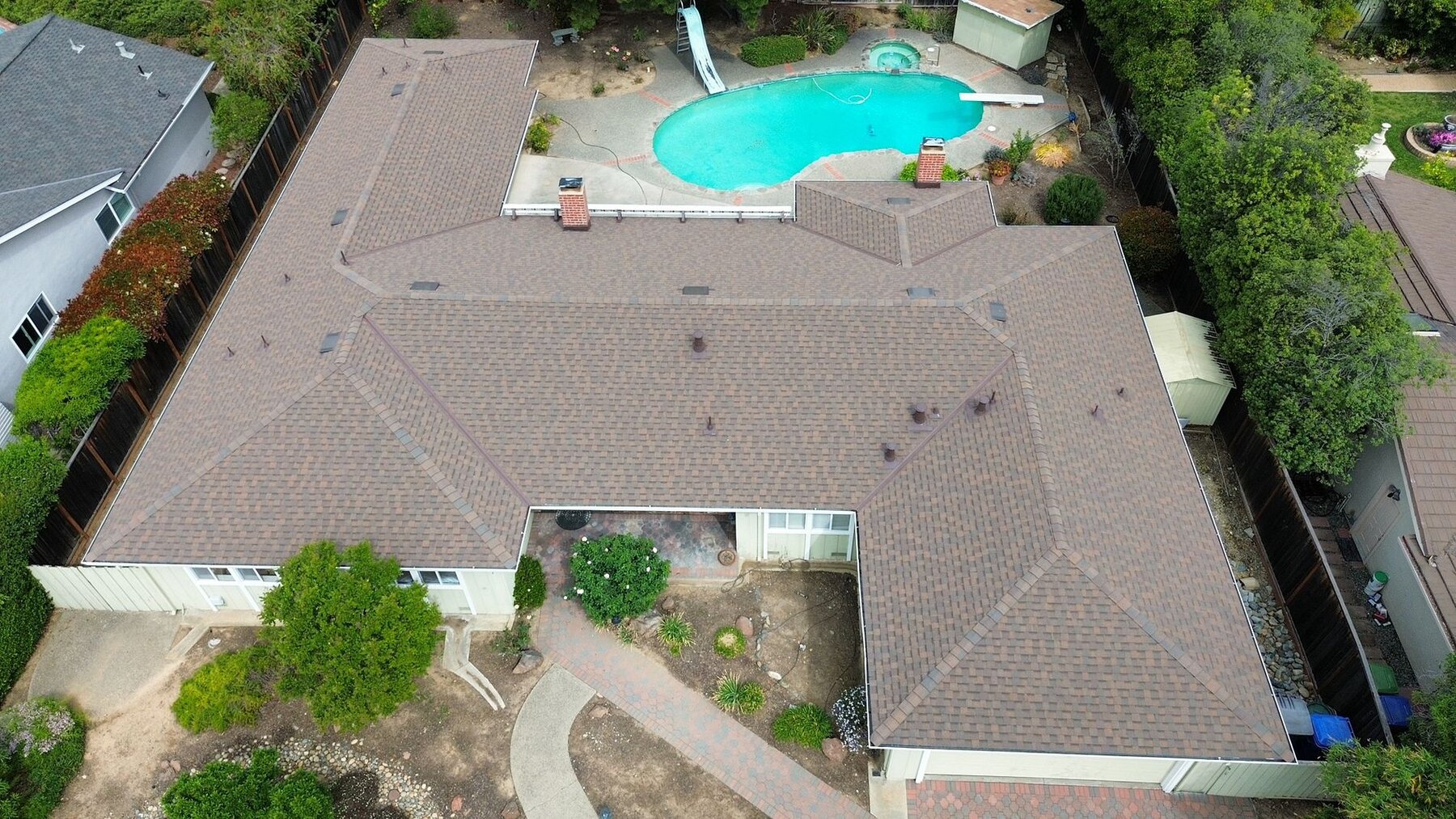
That last one is easy for an established local roofer and hard for anyone passing through. We publish completed South Bay projects with photos of the work in progress, and our San Jose service page covers what we typically see on roofs here by neighborhood and era.
The Short Version
Verify the C-39 at cslb.ca.gov. Get the certificate of insurance from the agent. Make sure the contractor pulls the permit — required here once 25 percent or more of the roof is involved. Keep the deposit at $1,000 or less, and never pay ahead of the work. Get the products, the payment schedule, the completion date and the change-order rule in writing.
Do those five things and you have eliminated most of the ways a roofing project goes badly wrong. What is left is craftsmanship, which is a much better problem to have.
Keith Roofing Company has been roofing San Jose homes since 1952, and we are happy to be checked out. For a straight assessment and a line-item estimate you can actually compare, schedule a free estimate or call (408) 295-8616. If cost is the obstacle, we also outline financing options.
Frequently Asked Questions
Need professional help with your roof? Keith Roofing Company has been serving San Jose and the South Bay since 1952. We offer free estimates, honest recommendations, and work that's backed by BBB A+ Accreditation and CSLB License #1118418. Schedule a free estimate or call (408) 295-8616.